What is worth measuring?

In my latest post, I introduced you to the work of NOOR, who is creating a new sport. I suggested that her work could open up a much broader inquiry: How do we create a new way of becoming?

With that background, I would like to dive a little deeper into other aspects of her research and explore how a new way of becoming raises the question of what is worth measuring.

NOOR’s research

Her work is based on five theoretical pillars:

  • Pillar I: Achievement Motivation and the Competition State
  • Pillar II: Gendered Body Comportment and Relational Embodiment
  • Pillar III: Kinetic Awareness versus Functional Alienation
  • Pillar IV: The Language of the Body as Resistance
  • Pillar V: Institutional Power and Tacit Knowing

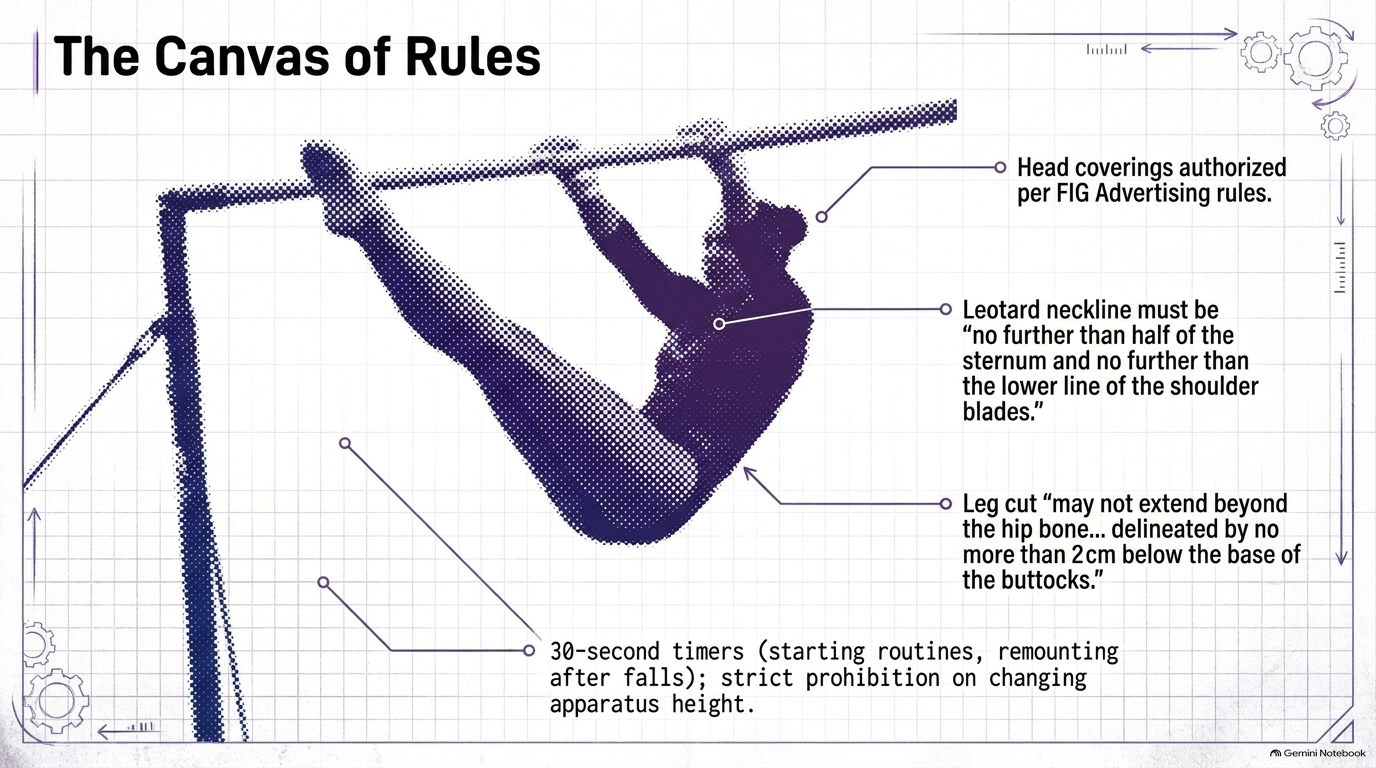
If we zoom in on Pillar II, we see that high-performance sports such as Women’s Artistic Gymnastics demand a highly disciplined environment. This “limited intentionality” is not merely psychological; it is materially and institutionally produced through regulations that physicalize discipline. By restricting a neckline to “half of the sternum” or a leg cut to the “hip bone,” these regulations physically delimit the female athlete’s bodily presence, prescribing not only how her body may appear but also the spatiality of its movement and reach.
Contrastingly, the “new embodiment” argues for relationality. Instead of an isolated, disciplined body performing for an external score, NOOR envisions a body that exists in relation to its community and its own internal state.

The measurable body is reduced to a numerical sequence, a “data point” in a governed script, and a series of technical skills to be deducted by a jury. By contrast, NOOR’s thesis suggests a “Lived Body”, a “Lived Experience”: the body uses its own language, prioritizes the “desire to understand,” and embraces the vulnerability of a “broken rule” as a moment of liberation.

Under Pillar III, she challenges the reduction of bodies in elite sport to quantifiable units—fragments of movement extracted, coded, and rendered legible for judicial consumption. Here, the focus is on the static state: the Coded Body. The official Code of Points (COP) is by the WAG (Women’s Artistic Gymnastics). The COP transforms the routine into an “extinction of the moment”: what is experienced as continuous, kinetic movement is captured as a series of discrete, measurable outcomes. Skills are stripped of their temporal and embodied flow, translated instead into numerical sequences that can be evaluated, compared, and scored.

NOOR’s Running Score” is an ontology of becoming . It is an “evolving total” that refuses the finality of the judge’s verdict. This shift is punctuated by the project’s use of generative logic to replace judicial logic with a methodological script that documents the continuity of experience rather than the error of the result.

All this made me reflect on what is worth measuring. Spoiler: Instead of measuring the being, I suggest we find a way to measure the becoming. Let me build up the context for this proposition. And to manage your expectations: there is no answer. It is an invitation for debate and conversation.

Homo Ludens

In Johan Huizinga’s Homo Ludens, a game (or play) is defined as “a voluntary, absorbing activity carried out within certain fixed limits of time and place, according to freely accepted rules, and attended by a feeling of tension, joy, and a consciousness that it is ‘different’ from ordinary life.”

Huizinga argues that civilization does not come from play; rather, culture arises in and as play. He demonstrates that foundational elements of society—such as law, warfare, poetry, philosophy, and art—developed out of ancient ritual contests and rule-bound social play long before they became institutionalized

Huizinga’s “magic circle” describes the physical or psychological space where a game takes place and where the rules of the real world are temporarily suspended. Within this circle, a new set of rules, meanings, and logic applies that holds no weight in ordinary life. 

In modern game design, the magic circle represents the psychological barrier where a player enters a state of immersion. Inside this boundary, the virtual world feels real, and the stakes matter to the player.

Game or play is a way of becoming

Finite/Infinite Games

In Finite/Infinite Games, philosopher James P. Carse explores the idea that all human interactions and behaviors can be viewed through the lens of two distinct types of “games.” 

Carse introduces his thesis in the very first line of the book: “A finite game is played for the purpose of winning, an infinite game for the purpose of continuing the play.”

FeatureFinite GamesInfinite Games
Primary GoalTo win (which ends the game)To keep playing and prevent the game from ending
BoundariesFixed temporal, spatial, and numerical limitsBoundless; open and expanding
RulesFixed and agreed-upon; changing them breaks the gameDynamic and evolving; changed precisely to keep the play alive
PlayersKnown, select participants with clear opponentsEver-changing roster; open to anyone
ExamplesSports, politics, war, getting a degree, corporate promotionsCulture, love, a career, learning, nature, life itself

NOOR’s new sports are infinite games.

Process Philosophy

Philosopher Whitehead is considered the godfather of Process Philosophy. Instead of a philosophy of being, he proposed a philosophy of becoming.

“Developed in his seminal 1929 book Process and Reality, this ontology argues that “becoming” is more fundamental than “being”—meaning the universe is a web of energetic, experiential events rather than a collection of passive, physical matter.”

In his presentations on the four elements of the experiential design framework for immersive storytelling, Kent Bye draws an explicit connection to process philosophy. The slide below maps the foundational metaphysical scaffolding of a paradigm shift inspired by the philosophy of Alfred North Whitehead, contrasting traditional Substance Philosophy—centered on permanent, static “being”—with Process Philosophy—centered on dynamic, interconnected “becoming.”

It is precisely this shift, from being to becoming, that provides the philosophical foundation for NOOR’s work.
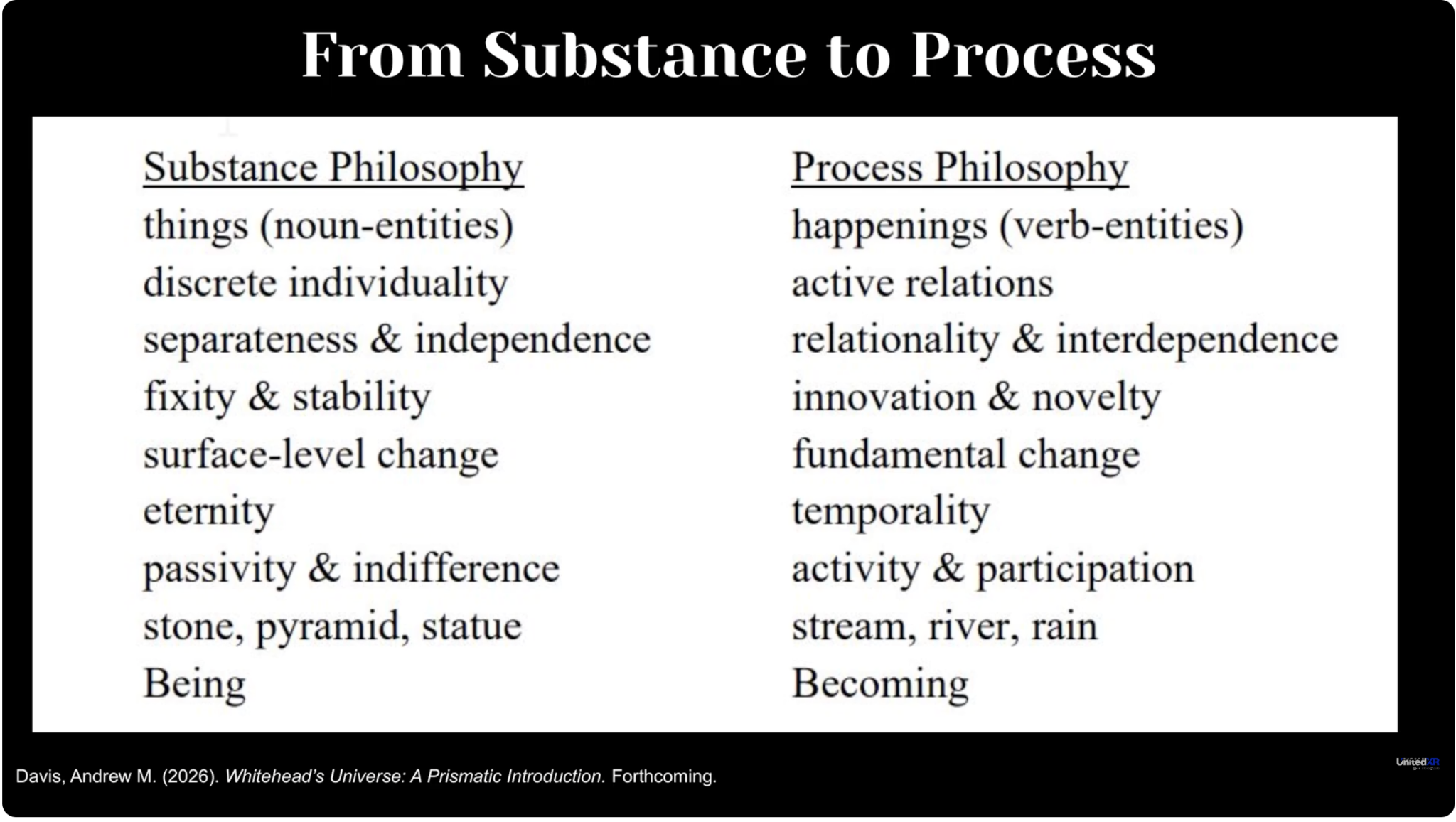
The slide is based on the work of process philosopher and theologian Dr. Andrew M. Davis, specifically serving as a visual graphic for his book Whitehead’s Universe: A Prismatic Introduction (published by Orbis Books). 

Protocol Art

In NOOR’s work, the artist becomes a protocol designer, creating the conditions for others to instantiate endless variations of the work. 

The Protocol is like the recipe, the stage, the score, the spec, the scripts, the primitives. The Instantiation is like the dish, the mixed outcome, the expression, the combinations of primitives. In that sense, Protocol Art is about delegating the instantiation. The artist becomes the composer. See also my 2019 post on “who is the composer?”

Which leads to another question: who is the instantiator? It can be craftsmen, it can be the audience, it can be machines, it can be Agents. In a sense, this is not new; already in the 17th century, Rubens was running his studio: the master has pupils working in his style, working with his protocols of mixing paint, making brushstrokes in certain ways, etc

Protocol Art expands this practice and gives attention to aspects like “Pattern Integrity”, “Style” of instantiation, etc. Christopher Alexander, anybody?

Agentworld and Superdark Factory

What if we also start delegating the work of the protocol composer, the architect of the experience? You would get something that resembles The Superdark Factory or the Agentworld of Antikythera.
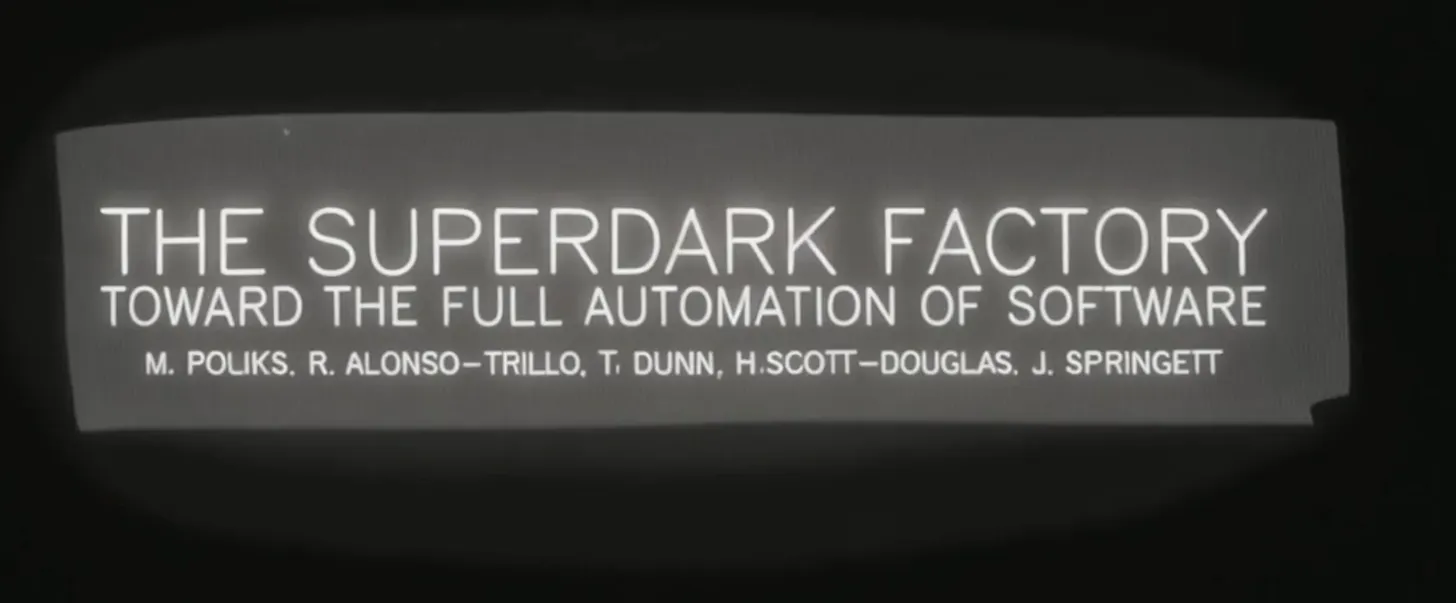
In Superdark Factory (dark or superdark as in illegable, not-understandable), the Antikythera authors argue that the historical evolution of software engineering has reached a critical inflection point where conventional, human-governed software pipelines—characterised by manual oversight, explicit logic specification, and step-by-step human verification—impose severe structural bottlenecks on throughput, operational speed, and systemic capability. 

Achieving a true step-change in productivity demands surrendering the requirement for direct human supervision within operational feedback loops, delegating both execution and architectural decision-making directly to computational machinery.

The Superdark Factory represents the limit case of this transition: an extreme, self-directed, recursively self-optimising software ecosystem. Operating as an autonomous abstract machine, the Superdark Factory independently formulates its own ambitions, designs and constructs the machinery required to pursue them, and continuously restructures and refines its own operations—without human intervention within its feedback loops.

Rather than merely executing static instructions, the Superdark Factory automates production at the level of determining what is worth producing, continuously generating new internal versions of itself to satisfy ambient imperatives. It is a “versioning regime that measures what the factory does rather than what it is”

In the Superdark Factory, we let the machine decide what is worth building.

What is worth measuring?

The world is in flux. Always has been. Maybe faster now than in the past, maybe at a different clock speed, incomprehensible and illegible for humans.

How can we measure flux? How can we measure becoming? How can we measure flow? How can we measure computation-in-action? Do we measure pattern integrity? Style? Direction (in many senses: backward/forward, progressive/regressive, moral/amoral, etc.)? Who sets the norms? Tech companies? A new kind of institution? 
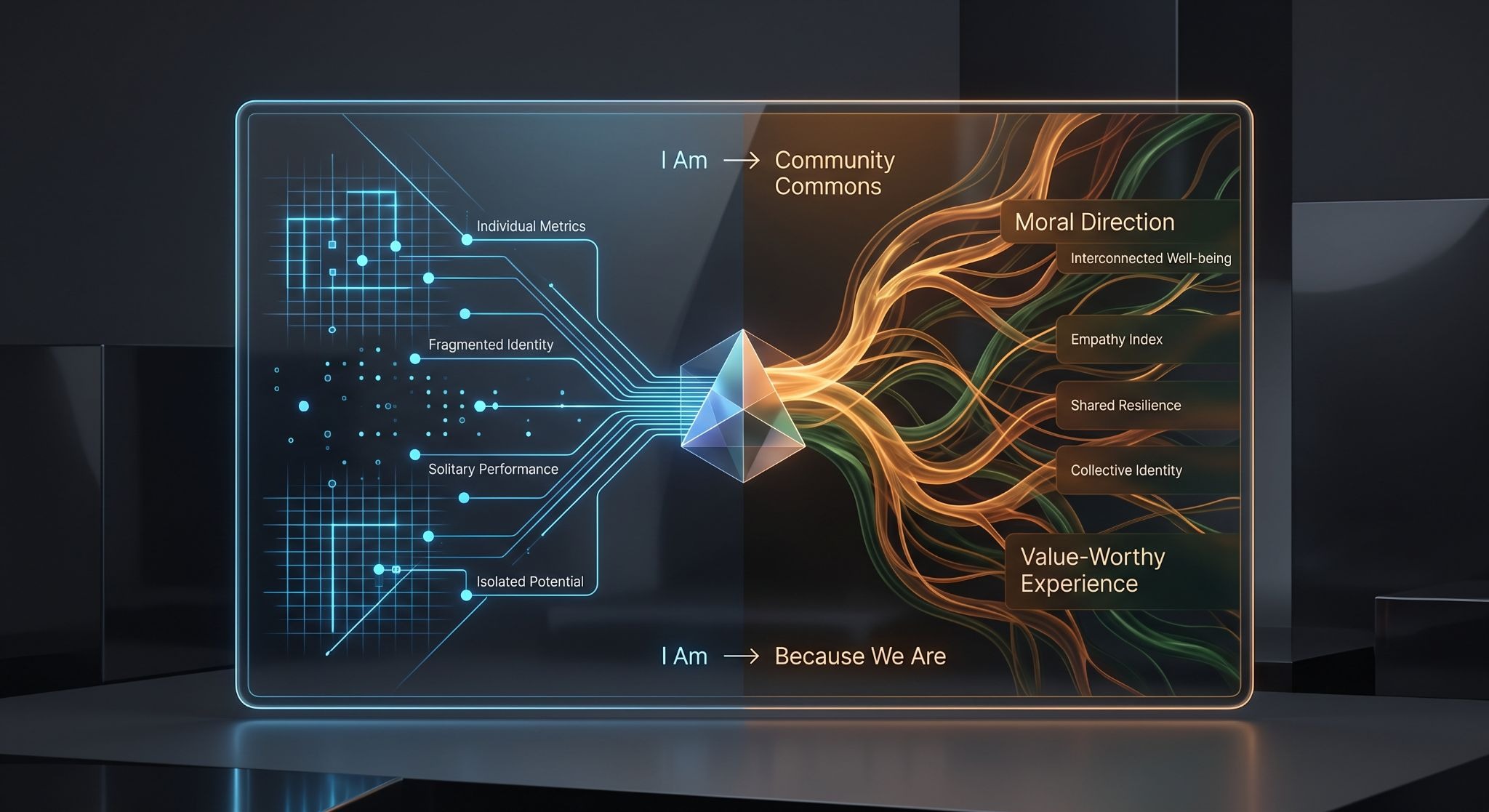
What do we consider as “valuable”? Should value be based on Western individuality? Or on communities/commons principles like Ubuntu or Hunhu? This AEON article was an eye-opener for me. Instead of focusing on trustworthy infrastructures, wouldn’t it be wiser to strive for value-worthy experiences, based on the social/cultural “needs” of humans? Values such as identity, reputation, community, and now maybe also values such as becoming, pattern integrity, and everything on the right side of the Whitehead/Davis slide?

There is no definitive answer. This post is an invitation to debate and conversation. But I find myself excited by the possibility of moving beyond the measurement of the static—the “being”—towards something that captures the dynamic, emergent quality of “becoming.”
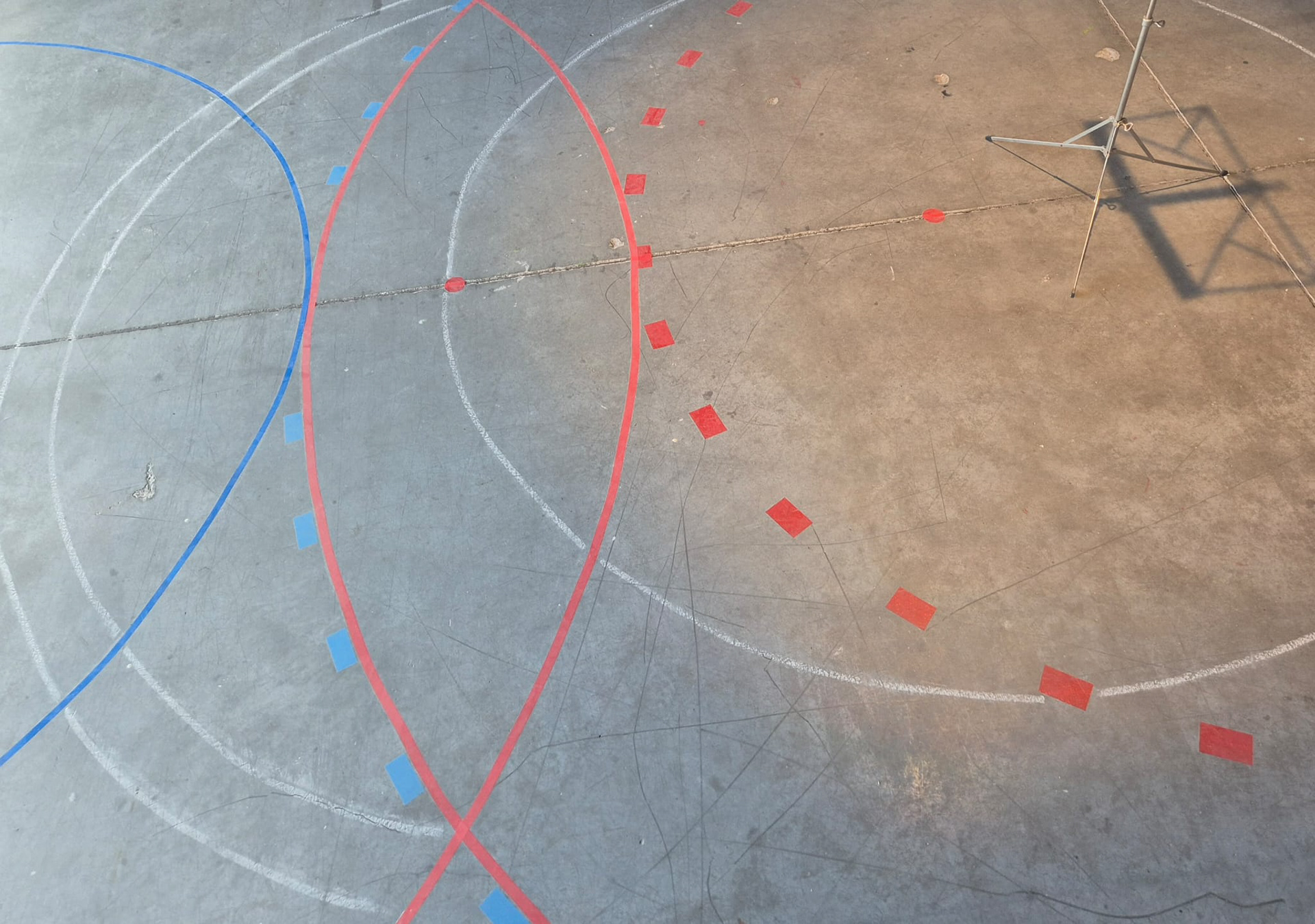
Inspiration: NOOR is creating a new sport

At a recent family gathering, I learned that the grandchild of one of my nieces is studying at the School of Arts (KASK) in Ghent and is expected to complete her final master’s degree in 2027.

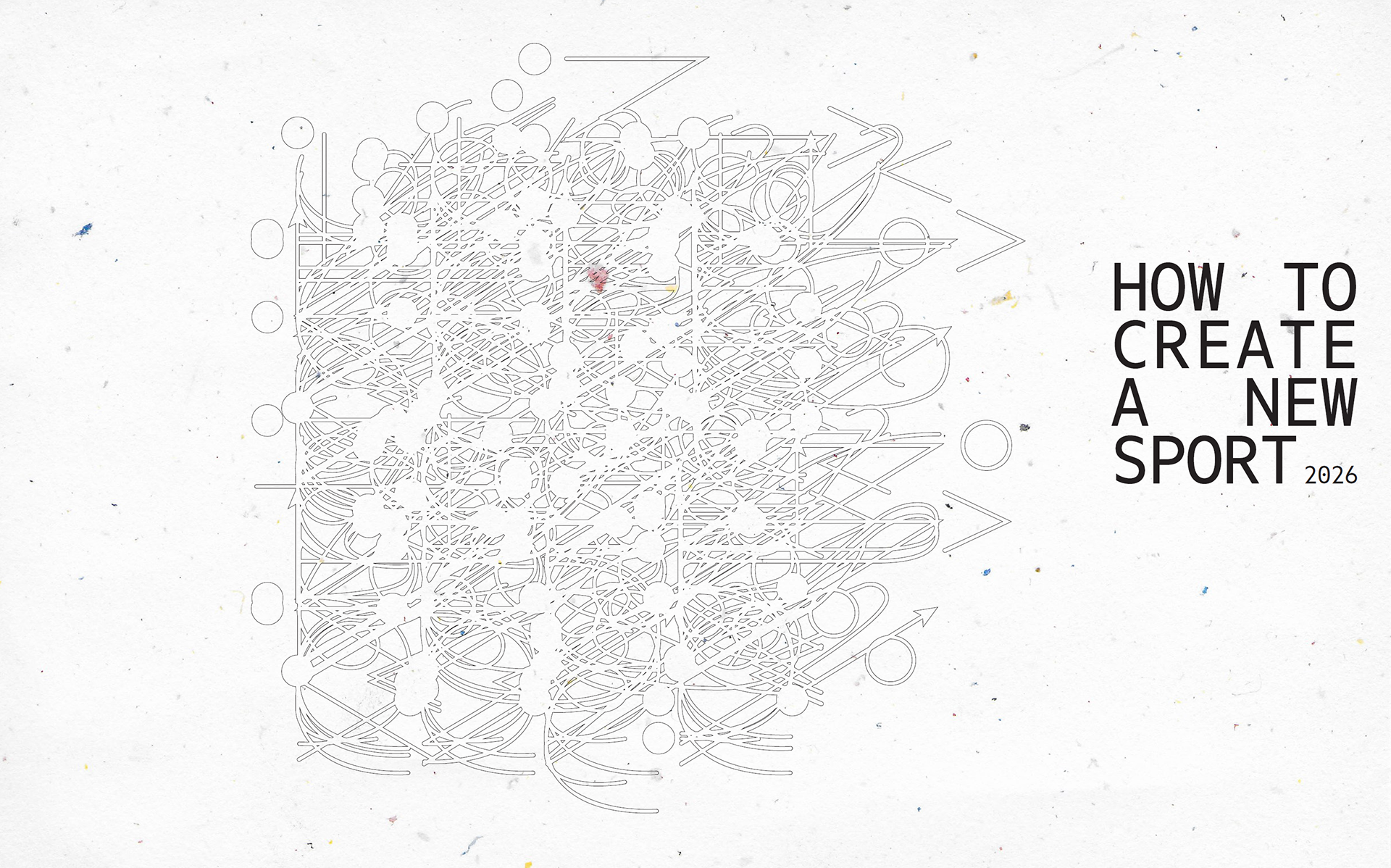
I found out she was working on a project called “How to Create a New Sport”. You can find an intro about it on her portfolio site: https://noorflamey.myportfolio.com/how-to-create-a-new-sport 

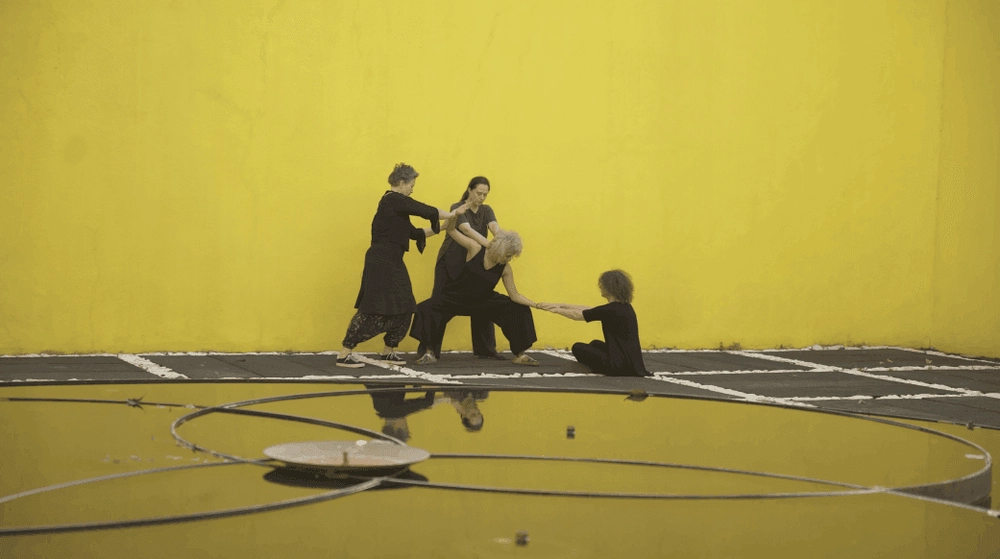
But the title could be misleading. NOOR’s work represents a critical intervention at the high-stakes intersection of elite athletic performance and contemporary artistic practice. This inquiry positions the “governed pedagogical space” of high-performance sport—specifically Women’s Artistic Gymnastics (WAG)—against the “rebellious act” of artistic creation. By deconstructing the rigid, judicial structures of elite sport, NOOR seeks to establish a theoretical and methodological framework for a “New Sport.” 
The central research question interrogates how embodiment is shaped by the friction between a pervasive, patriarchal achievement culture and the necessity for female artistic sovereignty. She highlights the “Running Score” methodology—an evolving script that replaces static judgment with a continuous documentation of the developmental process. 
This inquiry calls for a rigorous examination of the “Competition State”: a societal condition in which every action is measured against the ideal of perfection and the constant demand to prove one’s social value.

Especially at a time when AI is enabling humans to become ever more performant, competitive, and efficient, I believe her ambition can—and perhaps should—extend beyond “sport” as such. Her work has the potential to become a foundational critique of the hyper-competitive logic shaping both our personal and professional lives, while also proposing an alternative to it.

In this sense, her work could open up a much broader inquiry: How do we create a new way of becoming?

In addition to presenting an artistic in-situ performance, the deliverables of “Creating a New Sport” include a thesis and an artistic book documentary of her journey.

What NOOR is doing feels a bit like the Social Presencing Theatre of Theory-U of Otto Scharmer:

“an embodied social arts-based change methodology for making visible current reality and exploring emerging future possibilities. It includes a set of practices that synthesize embodied presence, movement theater, stillness, and dialogue. It reveals the wisdom in every social system and supports movement towards healthier futures.”

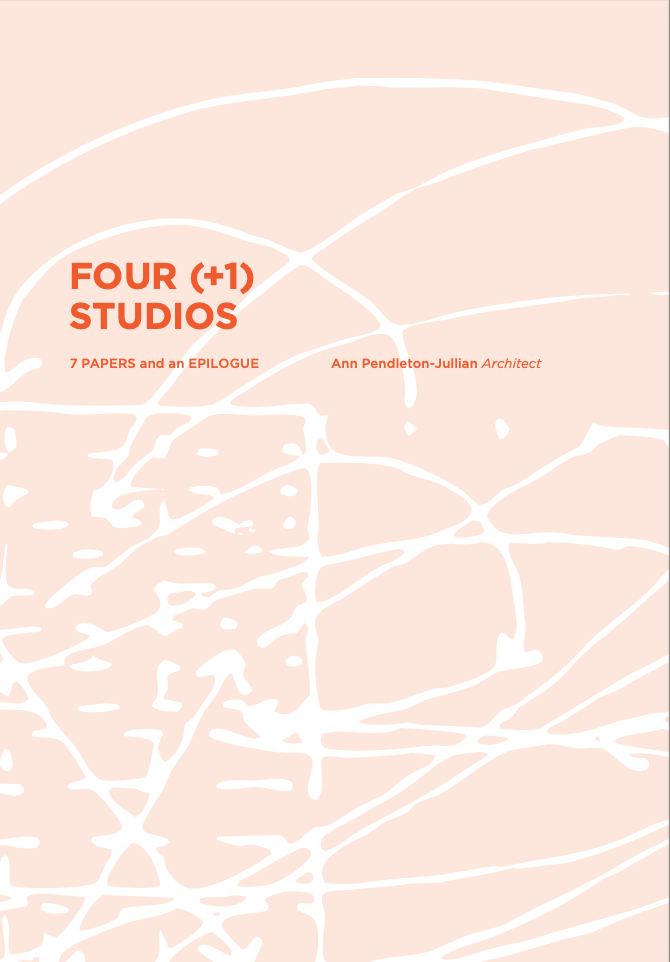
Or Ann Pendleton-Jullian’s work on “Design Unbound”, “Pragmatic Imagination”, and her FOUR (+1) Studios book (PDF) on “Studios”, where there is a whole section on game design and Homo Ludens (see pages 180 and following of FOUR(+1).

“Gameplay is the action associated with players making choices in the game environment. It is related to the sequential but interactive events of players operating in the rule-based site. It is the process of engagement of the game, while game design is the process of pre-engagement. It is the design of the rules for engagement. But game design can only be accomplished through playing the game as one is designing it.”

Also related is Venkat’s recent post on “The Curiously Playable Universe”. I am highly simplifying the thesis that when everything gets abstracted and possibly constructed (through AI and LLMs), then everything becomes “playable”. 

“But perhaps the stranger discovery concerns the provinces: Wildernesses can be reliably turned into game boards. We domesticate the territory, become skilled at its game, build machinery that plays it better than we can, and move outward to construct another game around the first, domesticating a larger scope.

This happened to fields and livestock long before it happened to chess. It happened to trade before it happened to programming. It happened to mechanics before it happened to mathematical proof.

Artificial intelligence did not invent this strange property of reality. It is merely making it difficult not to notice.

The deepest surprise of the AI era may turn out not to be that intelligence was easier to manufacture than we thought. It may be that the universe is far more playable than we imagined.”

This is very close to his work as director of research for the Protocol Institute. At this week’s Protocol Symposium 2026, there was even a workshop on Protocol Art. 

“Protocol Art is emerging as a practice in which the artwork is not a finite object but a set of rules that others (human or machine) instantiate into an indefinite number of unique works.”

The chairwoman of that workshop (Primavera De Filippi) has a good essay on what Protocol Art is and what it is not.

“Protocolism revolves around the creation of “artistic protocols.” These protocols comprise sets of instructions and constraints meticulously crafted to guide the production of unique artworks. These protocols serve as the bridge between the two pivotal figures: the original artist (i.e. the “protocol artist”) and a diverse array of executors (both human and non-human) who instantiate these protocols into tangible creations that qualify as distinct artistic creations. This symbiotic relationship challenges conventional notions of artistic authorship, as the resulting artworks bear the unmistakable imprint of the protocol artist, along with that of the instantiating actors.”

Protocol Art was (and still is, till November 2026) very present at Venice’s Art Biennale. 

“The artwork is not merely a final product, it is a process governed by instructions, representing the invisible architecture that enables the aesthetic experience. This shift in perspective – moving from the object to the system, and from the singular author to collaboration and ultimately human-machine co-creation – defines one of the most urgent territories in contemporary research.”

And also Rudy Rucker’s reflections on computationalism in The Lifebox, the Seashell, and the Soul comes to mind, where he explains that some computations are fully deterministic (aka based on clear, unambiguous rules) ànd unpredictable.

NOOR’s work is, maybe without knowing it, a crossover of all these contemporary disciplines and insights. Her work is a call for a rebellious act of non-conformism. Of humans being a bit “off-grid”. Not too perfect. In Digital Audio Workstations, there is even an option for “humanization” of something that is generated in the grid. If it is too perfect or without variation, it is boring. See my 2021 blog post Unsnap from the Grid https://petervanstudios.com/2021/03/09/unsnap-from-the-grid/ 

Her work is an invitation to the emergence of embodied experience and the liberation of human movement, taking sport as a point of departure while reaching toward possibilities far beyond it.

If you like her work as much as I do, please contact her here. And let me know if magic happens.

In a subsequent post, I will elaborate on what is worth measuring. 

And in the next one, I will introduce you to a 75-year-old artistic, rebellious choreographer who also combines sports and art. 

With warm artistic regards,

The Orphic Experience: We are all Argonauts again

In my post about Dub-Techno artist Adrian Sherwood, I referred to the book “Dub Techno – The Orphic Experience of Sound” by Bahadırhan Koçer to describe my sound experiments with dub.

As promised in that post, the most compelling part of the book appears in its opening chapters, where he introduces “The Orphic Experience.”

The short summary is in the video below, from 0:59 to 2:23. The latter part of the video is about the three key elements of dub-techno: spontaneous repetition, atmosphere, and embracing noise.

TL;DR: The orphic experience uses music to alter perception, evoke deep emotions, and influence the listener’s state of mind. It creates a unique space and time for introspection and reflection.

Let me unpack this in stages: first the “orphic” aspect, then the “experience” element, and finally a synthesis.

Orphic

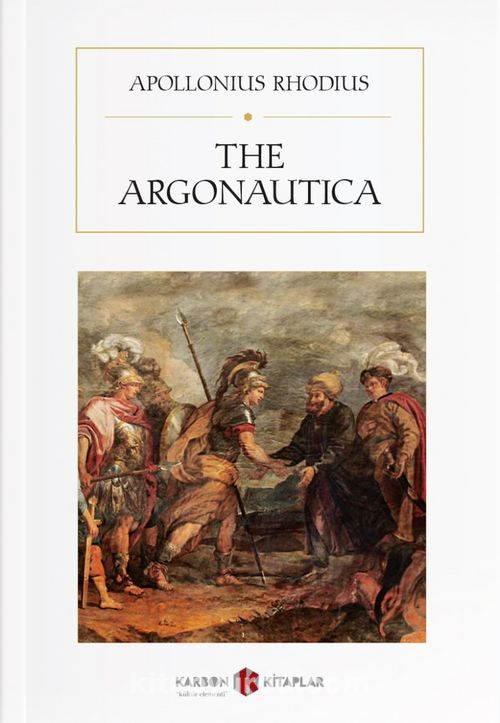
The “orphic” part originates from Orpheus, a character in the ancient Greek poem Argonautica, dating back to the 3rd century BC. The Argonauts are travellers on the boat Argo and are on a quest for the golden fleece. Somewhere along the route, sirens are trying to seduce the boatsmen. Still, Orpheus – a talented singer/musician on the boat – can shield the boatsmen from the Sirens’ temptations through his celestial, beautiful songs and voice. In other words, he was a noise canceller avant la lettre.

Some salient quotes from Bahadırhan Koçer:

The orphic experience, therefore, refers to the transformative way sound and media technologies can be used to control one’s sonic environment, creating a personalized auditory space that shields individuals from the overwhelming stimuli of modern life.

It is conceivable to argue that the nature of this transformation lies fundamentally in a shift from communal to individual listening.

The protected space needed for “sensory and emotional self-care”

In this sense, orphic experience can be seen as a way of escaping from the demands of the real world and constructing a self-contained, artificial reality.

By carefully curating their auditory environment and creating a personalized soundtrack to their lives, the individual can signal their taste and distinction to others, and distinguish themselves from those who do not possess the same level of cultural capital.

The “orphic” concerns the creation of a protected, isolated space in which the rules constraining clear thought can be suspended.

Experience

The second part is about “experience”. The words “Narrative” and “Experience” have become catch-all words. Washed-out. Weak. And they all suggest a passive audience.

Also here, a David Claerbout quote is appropriate:

“I think the recent proliferation of black boxes for film and video-art is not just a practical solution to a problem of sound and light interference, but also reflects an incapability to coexist. This can become apparent in large group exhibitions, where media installations appear strong when they are shown by themselves in a small or large dark space, but they easily collapse when shown in a social space where people move about and interact. The black box is a social phenomenon, for me it is a problem.” Ulrichs, David, ‘David Claerbout. Q/A, in: Modern Painters, May 2011, pp. 64-66

“Designed Conspiracy” would be better to describe what I have in mind. With an active audience. Or even better, where there is no stage hosting the expert speaker and no passive audience just leaning back in chairs, incapable of truly internalising knowledge.

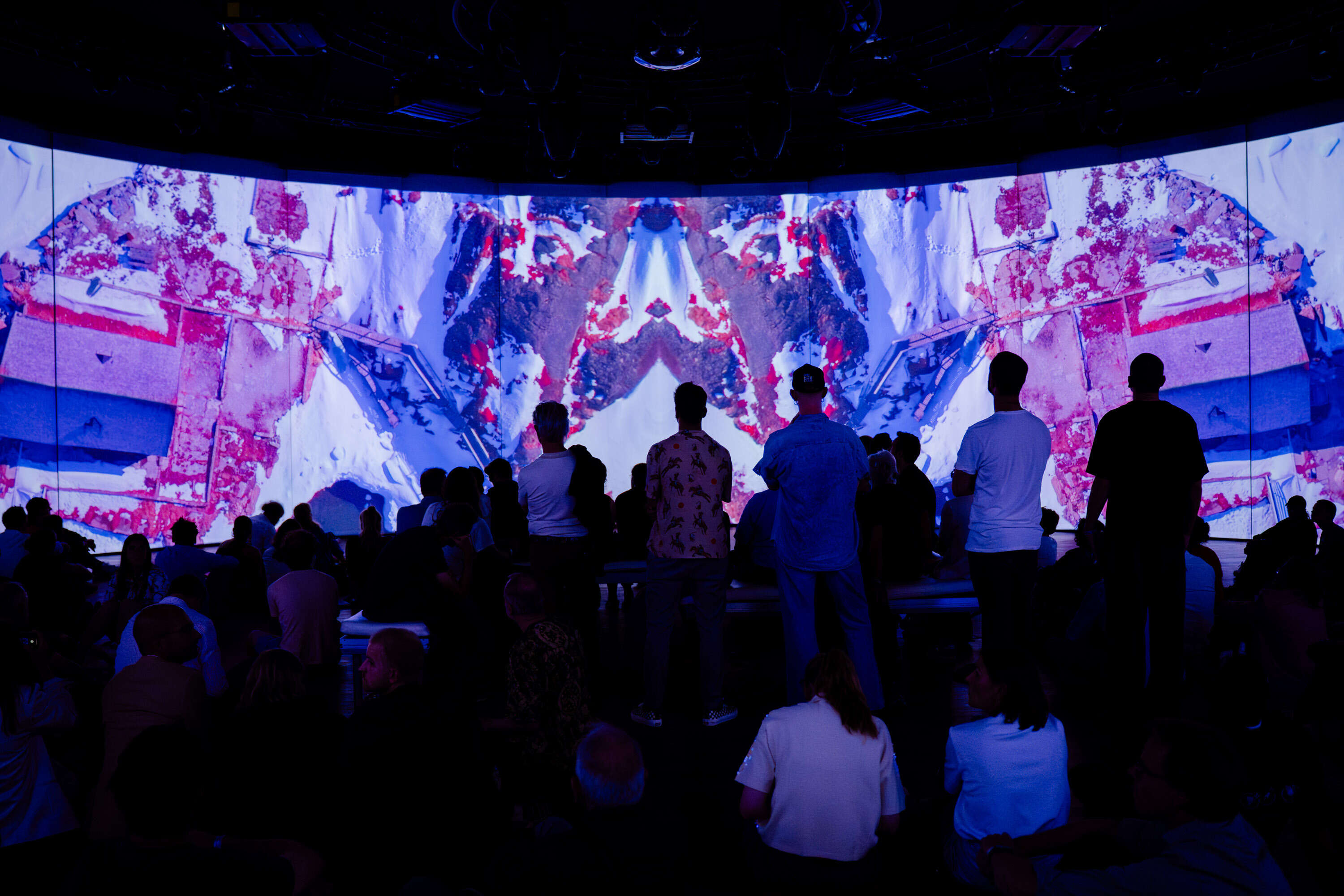
I imagine us inside a 360° immersive room: a six-metre-high LED screen, full 360 Dolby Atmos sound, LiDAR tracking, and high-definition cameras—paired with exceptional content and facilitation. A complete experience in a box, ready to tour and deploy anywhere in the world. Am I exaggerating? Maybe not. I’ve just met someone who is building exactly this.

Synthesis

Obviously, I am using all of the above as a metaphor to try to explain what I do with my artistic interventions, provocations, and interruptions. These qualities inform my work/play. Whether that is soundscapes, installations, performances, or group expeditions.

Now that we have our protected, isolated space and a designed conspiracy, it is time to play the music. Music is the content. Content is the music.

Experiencing our music – individually or as part of a group – can feel like a trip, a trance, like digital psychedelics.

The music/content is presented in the right space, with the appropriate emotional and psychological atmosphere—the backdrop, if you will—inviting and sustaining safety, interest, curiosity, awe, and growth.

The rhythm is softer, slower, quieter vs. harder, faster, louder.

We embrace – and even design – flaws and imperfections, spontaneous repetition, and noise, inviting the participants to connect with being human, and to internalise the content at an embodied level of sensory experience.

We design with fifty shades of sophistication: avant-garde activism shaped by counterculture, driven by intention and direction. We build a relational infrastructure capable of holding shared ambitions, carrying a map as a symbol of movement, of becoming. These are maps that make meaning—shifting the question from the adolescent “Where are we going?” to the more deliberate “What direction do we want?”

We are all Argonauts again. We are experiens-explorers. We want to create the right spaces and conditions for debating the new rules and the associated structures of reality, then acting them out as if those rules were in place. As explorers, we want to play with new rules to dream, new rules to hope, but also – not to sound too cheesy or utopian – new rules to suffer and cope with what is evil and sin. In that sense, we become all part of a shared conspiracy.

We are not in the business of homo sapiens, ludens, or faber, but in the business of homo experiens.

With thanks to my co-conspirators Josie and Andreea, for challenging me over and over again

5 books to help you understand (and profit from) global trends

The time that we could organise our companies without acting too much on global evolutions lies long behind us. Leaders understand more than ever that tackling world challenges not only creates a better context for all of us to live in but also presents fantastic business opportunities. It’s why am thrilled to be one of the curators of nexxworks’ Mission NXT program, designed to help leaders turn global trends into opportunities.

For those who are truly passionate about fostering this type of outside in vision, here are five (zero bullshit) books that fundamentally changed and formed my thinking in the matter over the years.

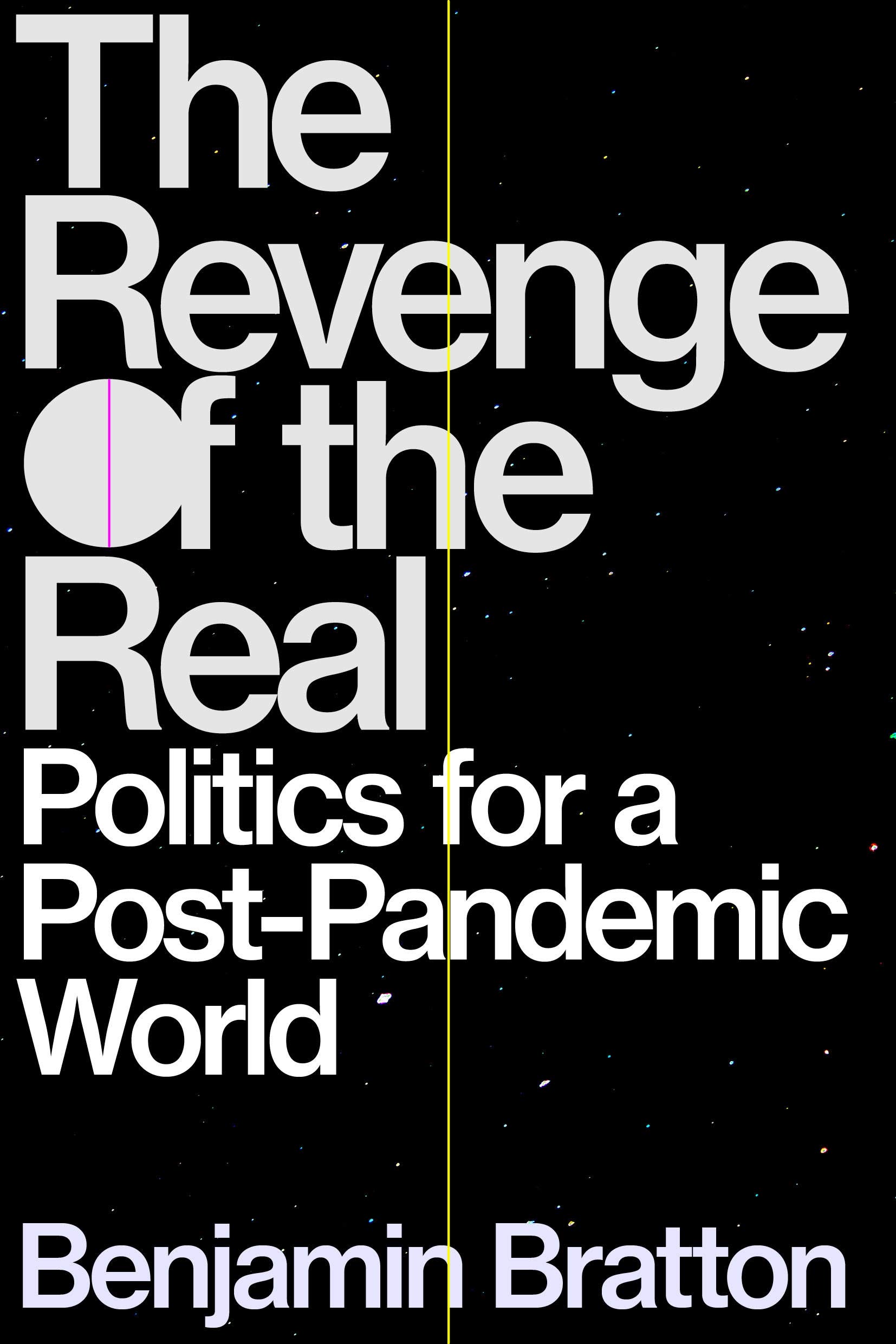
Benjamin Bratton – The Revenge of the Real (2021)

The pandemic showed us that we are completely unprepared to cope with our current deeply entangled world. According to Bratton, we need a “positive biopolitics” and an AI-based instrumentation of the world. He offers a refreshing way of thinking about sensors which is quite different from the worn out song about the surveillance state.

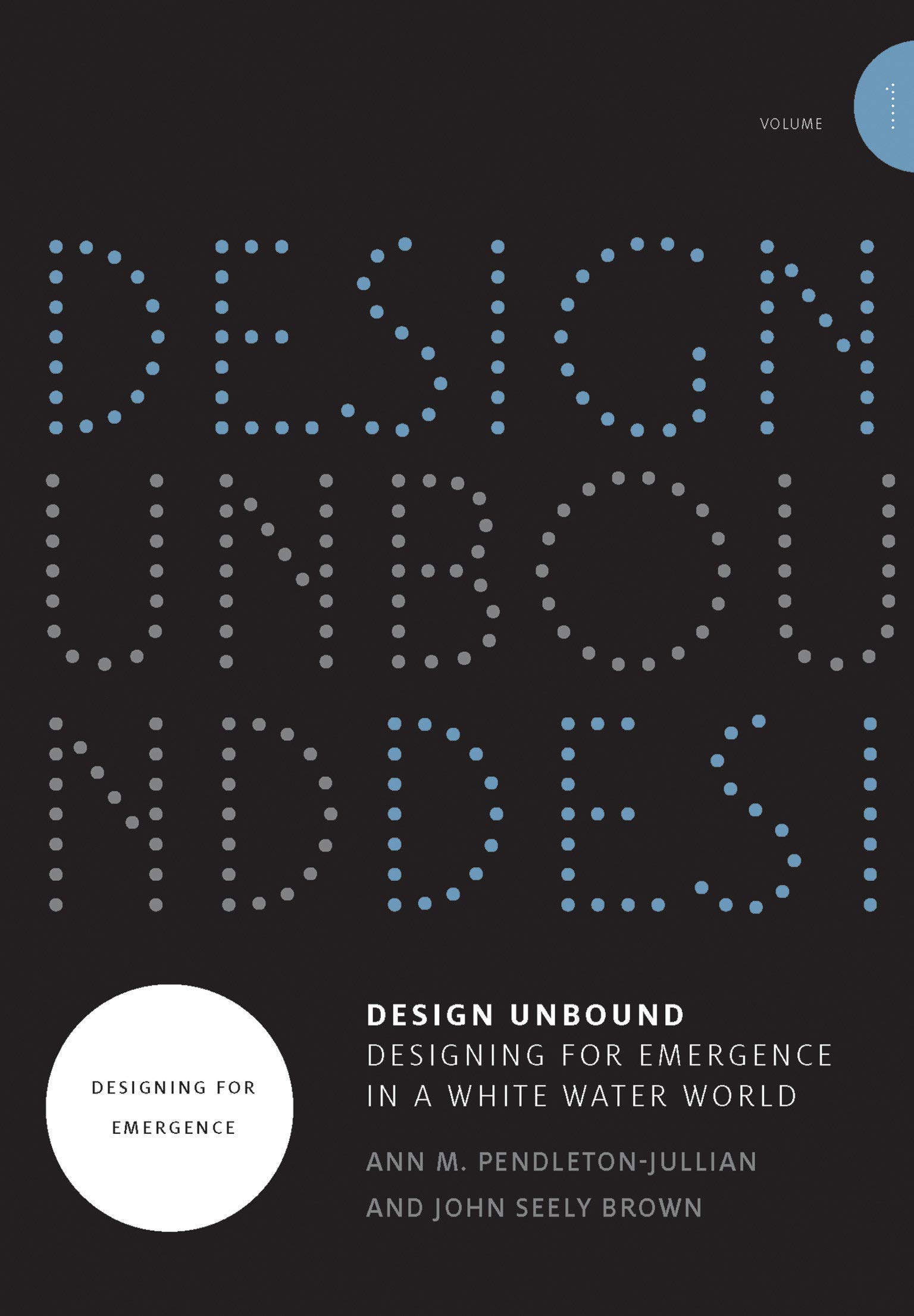
Ann Pendleton Jullian and John Seely Brown – Design Unbound (2018)

Read this if you want to understand how you can design for emergence in the Never Normal. You’ll need your full attention (it’s not a ‘light reading’ project), but in return you’ll receive two volumes of unique and well researched insights to help you better see what is and what can become. This is truly one of the most important business books I ever read.

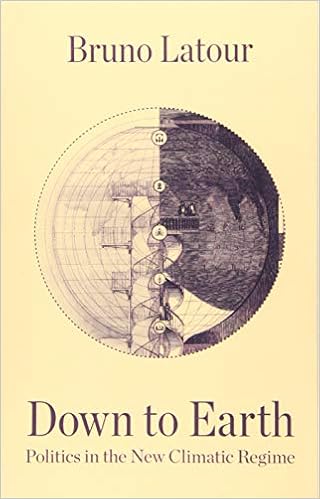
Bruno Latour – Down to Earth (2018)

Latour calls for a third way in climate politics which is left nor right: a path between libertarian globalism, and leftist localism. One that is anchored in planet earth. Read this if you want to get to know one of the most important philosophers of the 21st century.

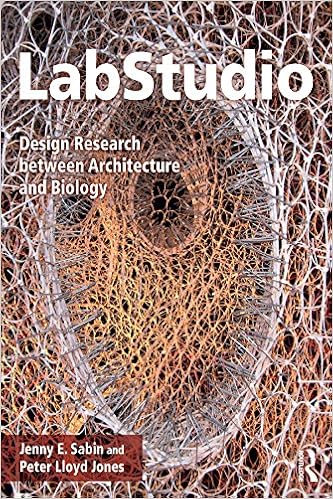
Jenny E. Sabin and Peter Lloyd Jones – LabStudio (2017)

Sabin and Lloyd Jones tackle the concept of the research design laboratory in which funded research and trans-disciplinary participants achieve radical advances in science, design, and applied architectural practice. The book demonstrates new approaches to more traditional design studio and hypothesis-led research that are complementary, iterative, experimental, and reciprocal.

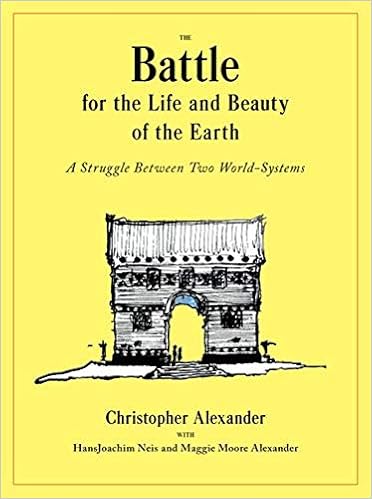
Christopher Alexander – The Battle for the Life and Beauty of the Earth: A Struggle Between Two World-Systems (2012)

This real life story of American architect Christopher Alexander designing and building the Eishin university campus in Japan serves as an analogy for the battle between two fundamentally different ways of shaping our world. One system places emphasis beauty, on subtleties, on finesse, on the structure of adaptation that makes each tiny part fit into the larger context. The other system is concerned with efficiency, with money, power and control, stressing the more gross aspects of size, speed, and profit. This second, “business-as-usual” system is incapable of enabling the emotional, whole-making side of human life, according to Alexander, who then goes on to present a new architecture.

Warmest,

This post was originally posted on the nexxworks company blog, on the occasion of Mission NXT, which I help curate

Traveling without moving – Studios

This post is part of a series of essays bundled under “Traveling without moving”.

Intro of that series can be found here.

Petervan Pictures © 2021 – Travelling Without Moving

After the Inappropriate post of begin June 2021 we continue with “Studios”, a way of collaborating together as a practice of practices.

In my previous life (2009-2016), I architected several immersive learning experiences for SWIFT’s annual conference Sibos. It was called Innotribe @ Sibos. Already then, I was convinced that learning should be more than the transfer of knowledge by a speaker on a stage (or in a Zoom window) talking to a passive audience. I wanted to resonate with the audience at a level beyond the pure cognitive. I wanted the experts to talk with the audience in immersive settings. We got quiet far in that ambition during the 2016 edition, where physical and mental space formed a coherent and harmonious backdrop and context for several creative learning sessions.

Innotribe human-artistic space 2016

In 2016, I sensed there was an untapped potential for building cognitive and non-cognitive equity by integrating artists into the mix. Not as entertainment, but in support of the content by creating a multidisciplinary mix of left and right brain dispositions. “A bridge too far” was the harsh judgement. I took a one-year sabbatical, never went back, and started Petervan’s Studios.

I now had plenty of room to experiment with real and virtual paint, sound- and video-production tools, animation, collaboration with artists, etc. And was invited as a lead experience designer for a couple of high-touch leadership experiences.

The plural “S” and the end of Petervan StudioS was inspired by Nelly Ben Hayoun StudioS, a weird mix of interrogations and provocations using different studio disciplines from writing, to painting, through video and soundscape, film productions, theatre, drama, experiences, etc. Multiple studios under one – albeit often virtual – roof.

With Petervan StudioS, my ambition is to design and architect creative interventions, interruptions, and provocations. Formats can be curations, events, group experiences, expeditions,  immersions, exhibitions, analog and digital artwork and productions, performances, writings, poems, blogs, installations, soundscapes, recordings, documentaries, and time capsules.

Studios are more than a glorified term for artworks, workshops, or events.

A studio is a practice of practices.

This is a good moment to consider FOUR (+1) STUDIOS (PDF), Ann Pendleton-Jullian’s take on StudioS, a 254-page long articulation and inquiry of the subject.

“Written from the perspective of an architect, these papers talk about design and design thinking, the social environment of practice of the studio, and how the architectural design studio and its methodologies have evolved over time to respond to evolving social environments and practices”

What follows is my personal interpretation of Ann’s insights, based on extensive reading and studying of her writings and transcribing many of her video vignettes.

Four (+1) Studios is about applying the principles, work methods and ethics of an architecture studio to the domain of system and organizational design.

Studios are where the practice takes place and where a practice of practices is forged and then evolves in a space. 

A practice is a way of doing. It usually has a very strong task component, but critically it has to do with being embodied in a context. 

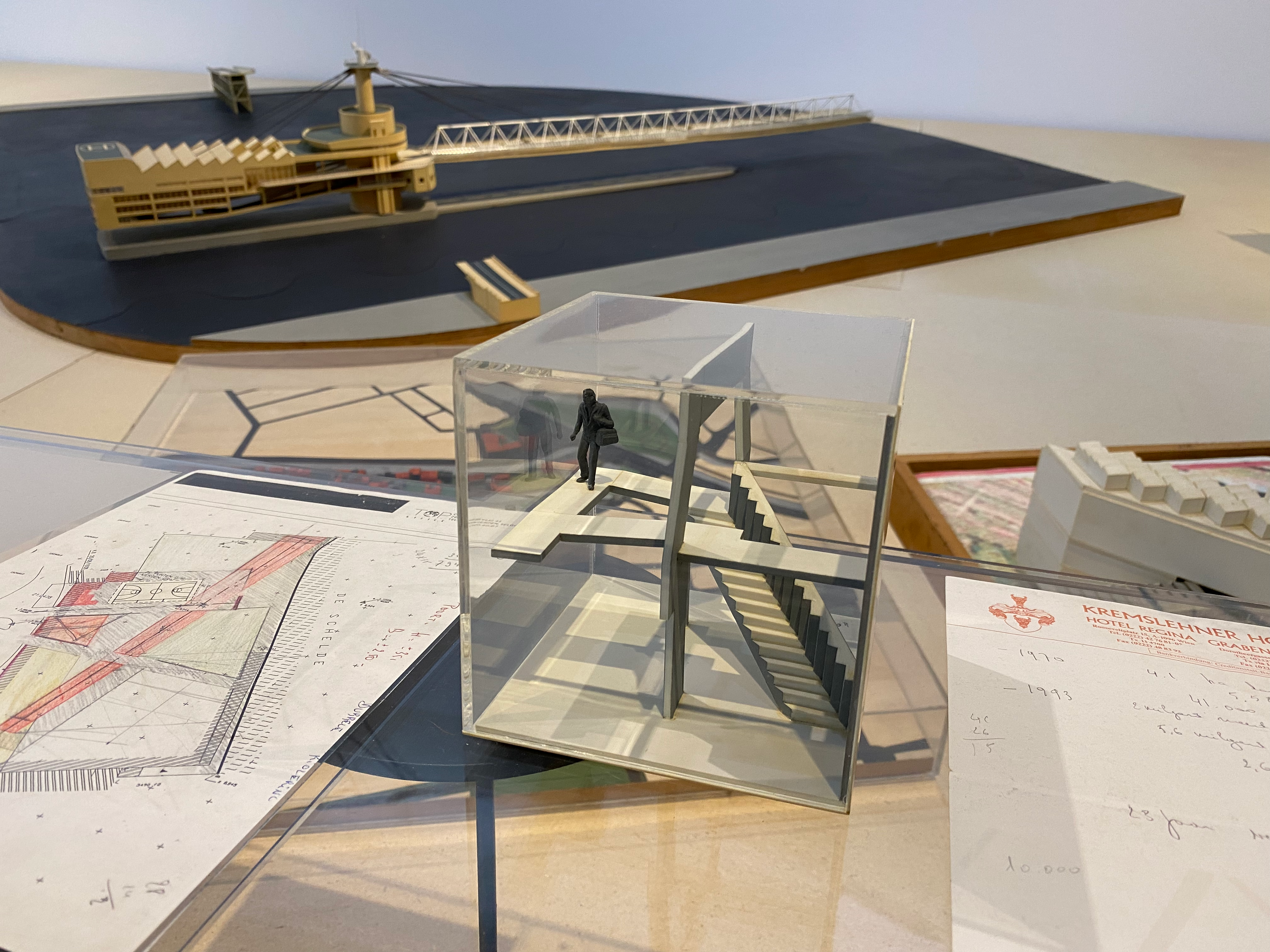
Future Plans 1970-2020 – Luc Delue and T.O.P. Office – De Singel, Antwerp

The learning of a practice involves becoming a member of a community of practice. Think of guilds in the Middle Ages.

But it is more than a community of specialized skills or artisans.

For example, if you consider the handling of a pipette in a lab, and you want to work with a Petri dish low and behold, each lab may train their folks to hold their pipette in a certain way, the way you hold that pipette influences the visual that’s never been recorded. 

In other words, the community of practice develops his own signaling, that create the community and amplify kind of tacit communication in very powerful ways that makes that community a practice.

The studio combines different practices. An architecture studio is multi-disciplinary: a combination of aesthetic, ethical, engineering, scientific, societal, political, philosophical, and anthropological skills. A combination of material, societal, and mental ecologies. In the end, architecture is about designing spaces for messy human beings to grow and develop at their best.

We can architect buildings, spaces, things. But we can also architect contexts, less tangible artifacts that let a project emerge and evolve into preferred and desired futures.

There are five key aspects of studio, which make it unique from other teaching and learning environments. 

The studio is initiated by and formulated around problems, yet it is not specifically about solving problems. 

It is profoundly social in nature and structured. 

It is a highly critical and discursive environment using critiques – not criticism 

It’s deeply synthetic in nature in contrast to teaching and learning environments that operate as compartmentalized, a specialized knowledge basis. 

and five, it operates through the integration of knowledge with skills.

Design studio and the student apprentice’s journey (courtesy Ann Pendleton-Jullian)

Studios are a proven way of failing and recovering together, a repurposing of the architecture studio practice of practices.

There are three kinds of studios.

The teaching studios, where you’re trying to teach something. It is about the didactic transfer of knowledge.

The mentoring studios, where you now are giving a project and helping a student move through that project.

The inquiry-based or research studios; these can be real-world projects, and real world, richly networked experiences.

Illustration courtesy Ann Pendleton-Jullian

Combining these different types of studios has become a key component of my client work in 2019-2021.

For one client we developed a leadership studio around the topic of ambiguity. For another client, we are creating an online expedition based on conversation moments and thinking experiences, using different types of “Guides”. Some guides have a more didactical role of transferring knowledge (teaching studios), other guides have an enabling/mentoring role (mentoring studios), and yet other participants inject new ways of thinking about the future, other than scenario planning (inquiry based studios).

Other clients ask us to design learning experiments: multiple parallel lines of inquiry, keeping multiple options open, resisting the urge to come to quick resolutions, and building up cognitive equity, together. These online sessions are designed as facilitated studios: a proven way of failing and recovering together, as an embodied learning.

Doing projects like these require my 100% focus and attention.

They require me too deeply immersive myself in the client’s problem and project space.

I am human, and my quality attention is scarce, not unlimited, and I need pauses for reflection and recalibration.

It is why I only can accept one such project per year.

Because I want to keep the balance and attention right.

Next time in Travelling Without Moving, we’ll talk about “Genres”, a set of different practices to weave content and engagement into video learning experiences.

Hope you stay on board.

Warmest,

Travelling without Moving – Foam

This post is part of a series of essays bundled under “Travelling without moving”.

Intro of that series can be found here.

After the Unbound-post of begin March 2021, we continue with “Foam”, a way of looking at and reflecting about the world as suggested by German philosopher Peter Sloterdijk.

I will not even attempt at claiming to understand Sloterdijk and/or to summarize his magnus opus trilogy “Spheres, Bubbles and Foam”.

I just want to share some tangential thoughts that “bubbled-up” when reading about it.

See also my 2019 post “The Foamy Explosion of Everything” and this good introduction by Charlie Hueneman

Foam is organic as in relating to or derived from living matter.

As opposed to inorganic.

Organic/Inorganic is similar but still different than the Analog/Digital or Kairos/Chronos.

It is tangential to human/non-human.

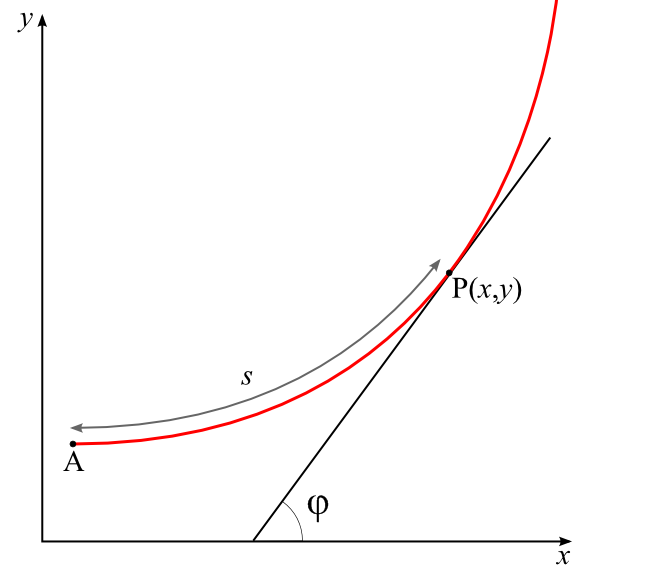
“In geometry, a tangent is a straight line that touches a curve at a single point. So we say that someone who starts talking about one thing and gets sidetracked has gone off on a tangent. The new subject is tangential to the first subject—it touches it and moves off in a different direction.(Merriam Webster)”

By Pigetrational – Own work, CC BY-SA 3.0, https://commons.wikimedia.org/w/index.php?curid=6333986

Consider the curved line as the outer shell of the foam bubble, its membrane.

What the tangent is doing is snapping to the grid.

Foaming is about snapping without a grid.

Freewheeling and unpredictable.

Uncomfortable if a grid is the only thing you know, but full of potential and dispositions if you let the foam emerge.

Foam as “unsnapped from the grid”

Foam has no direction.

Following foam is like driving a road that is not road, emerging continuously.

Foam is about relations.

Between people.

Foam-mates

From general relativity to relativity of relations.

The quality of the relation depends on the viewpoint.

The quality depends on the dispositions and emergent potentials of relations

Foam is an emergence of dispositions and potentials

For a life of play is no genuine human life;

But is it really?

We now have affluence and surplus, for the first time in human history.

Hueneman

Constant’s New Babylon or the Biosphere 2 project come to mind.

You are part of multiple spheres: the bigger ones like “world”, or “earth”, or “continent”, or the smaller “bubbles” like “province”, or “institution”, or “corporation”, and the smaller foam bubbles, as “communities” of influence, attraction, care, intimacy and attention.

It is a fragmentation, but one with soft borders/membranes.

Not splintered like broken glass, but organic and lubricous and smooth like the soap bubbles in the hot tub.

And the assemblage of all this is dynamic, changing and interacting all the time, like a complex adaptive system.

In her 2021 Tech Report, Amy Webb identified more that 100 new signals.

A fragmentation of signals.

A fragmentation of everything, entangled like foam.

Abundance.

Wealth has come to us like a thief in the night

Sloterdijk

How would one design for and in such a system?

Designing space and context for 1000 flowers to blossom, for 1000 bubbles to co-exist…

I have a hunch that Ann Pendleton-Jullian and John Seely Brown may have some suggestions in Design Unbound.

Or check-out “Medium Design” by Keller Easterling, who writes about dispositions of interdependent objects and spaces; or should I say “spheres”?

“Disposition is a latent agency or immanent potential—a property or propensity within a context that unfolds over time and in the absence of a reifying event or an executive mental order.” Keller Easterling

Dispositions and propensities are becoming part of roaring 20’ies thinking.

So are spheres, bubbles and foam.

Because we are hungry for new communities of intimacy and connection.

Next time we’ll talk about “Inappropriateness”, as a badge-of-honor that is.

Hope you stay on board.

Warmest,

Travelling without Moving – Unbound

Tod Williams Billie Tsien Architects Studio – Photo by Peter Arnold 1998

This post is part of a series of essays bundled under “Travelling without moving”.

Intro of that series can be found here.

The plan/ambition with this series: to share where I have been the last year, what I learned, where I am going, and what is required.

The broader quest is to discover what is required to enable real change.

After the Anxious-post of begin Feb 2021, we continue with “Unbound”. Unbound from thingness that is.

Unbound comes from “Design Unbound”, part of the title of the book (actually two volumes) written by Ann Pendleton-Jullian (APJ) and John Seely Brown (JSB) and published in 2018.

The full title is “Design Unbound: Designing for Emergence in a White Water World”.

I am blown away and intrigued by the insights: this is about having agency in a world that is constantly shifting under you. It is so refreshing after all those business-, management-, leadership-, and self-help-books. It has become a healthy addiction: I am basically reading and re-reading and deeply internalizing everything that Ann Pendleton has written in the last couple of years. I have been haunted by this book. Ann and John put a spell on me.

This book is a game-changer. I highly recommend it.

After a first read/scan of the two volumes, and after a kind introduction by Jerry Michalski and John Hagel, I had my first (online) conversation with Ann and John on 27 May 2021. I wanted to explore a partnership for building a workshop on BANI and work with Ann and John on the response to Anxious, which was related to having agency on a world that is in constant change.

Ann initially very politely declined, but I insisted, and since then we have worked and are still working together on some NDA projects. We now have several calls per month.

How naïve I was at that time. I thought I understood, but Ann very kindly let me discover my own mind-bugs. She also pointed out my reductionist thinking around BANI. She also let me discover other resources and deep-dives to let me internalize what this was all about. The last couple of months have been a humbling experience.

I will not even attempt at summarizing the book.

I just would like to spend some time on the “Unbound” aspect of the title.

The initial title of the book, I learned, was “Architecture Unbound”.

Ann is a practicing architect.

You may discover that she co-designed the house of Carl Sagan. He hired Atelier Jullian and Pendleton, whose principal, Guillermo Jullian de la Fuente, had been a student of Le Corbusier.

The architects designed a new, separate residence for Sagan in Cayuga Heights, and prepared an extensive, two-stage redesign plan for the tomb to turn it into a study for him and his wife.

Carl Sagan house – Cayuga Heights – Picture Durston Saylor in OfHouses

In the book, Ann is applying the practice of an architecture studio to other things than buildings.

Tod Williams Billie Tsien Architects Studio

In the video above, you see how architects work together as a family. Where working and failing together – almost as a practice of group-vulnerability – thrives on experimenting and rigorous critique.

Ann describes similar practices of architecture studios and applies them to unboundedness.

Unbound from buildings.

Unbound from things.

The architect as a context designer.

The role of critique in an architecture studio.

The role of Game Play and Game Design

We’ll look into some of these aspects in some subsequent posts in this Travelling without Moving series.

If you want a quick intro (two times 90 minutes) to the work of APJ and JSB, here are two video-vignettes that Ann and John recorded for the IFTF Foresight Talk Series

The main points covered in these two videos are: white water world, pragmatic imagination, from Newton to Darwin to Ecologies, Design for Emergence, Systems of Action, and World Building.

But there is so much more in the book, and the material is so rich, so nuanced, so dense, that I very much invite you to read it, not once, but twice, ever three times.

This is just pure-gold material for anybody who is active in corporate innovation initiatives.

It helps you reset and forget and go way beyond your tactical thinking about startup bootcamps, corporate venture funds, MVPs, Lean, Agile, platforms, ecosystems, and other blah.

You don’t need a head of innovation.

You don’t need an innovation team.

You need a squad that is trained to design for emergence and to tackle wicked problems.

This is about seeing the world differently – a world in constant change – and about seeing the dispositions of the system and designing the contexts for emergence and agency in these complex systems.

Together with Ann, I am working with Hamilton Ray from Collective Next and Amber Case on a Pirate TV episode on Design Unbound.

We plan to release the video before summer. We aim to condense the key insights of the book into a 45 min, a sort of non-commercial trailer for a learning journey that is being put together. The video will be provocative enough to stand on its own as a coherent learning opportunity.

Next time we’ll talk about “Foam”, a way of looking at and reflecting about the world as suggested by German philosopher Peter Sloterdijk.

Hope you stay on board.

Warmest,

Moodscape-1 – Clockdust Astronauts

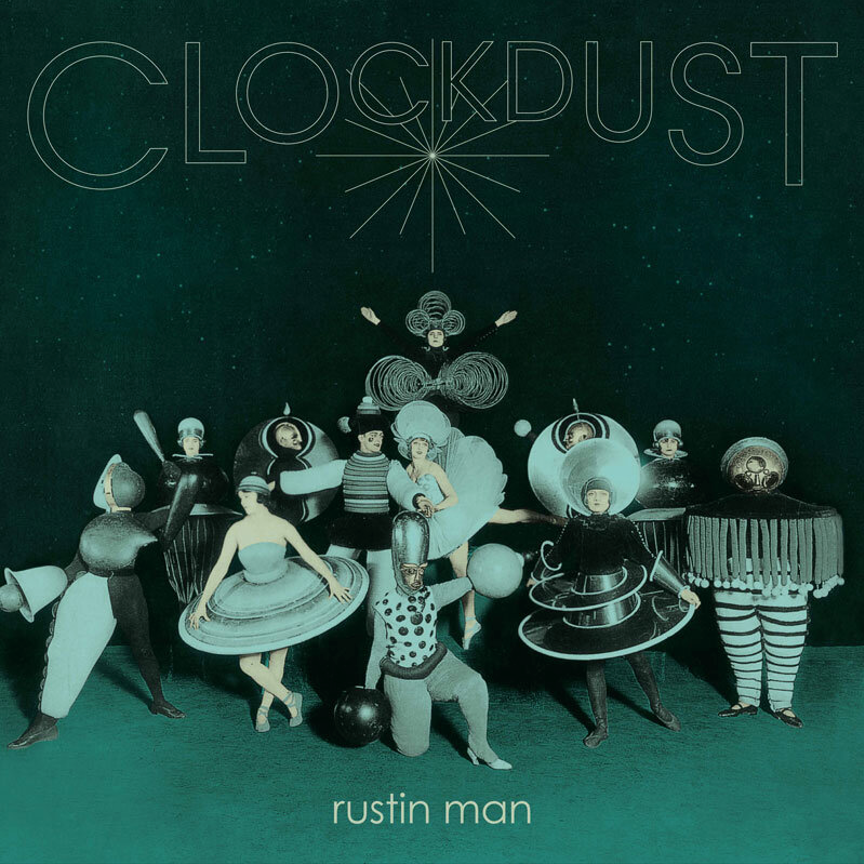
Clockdust cover

Cover of Rustin Man's "Clockdust" Album

Let’s try something new here: a “mood-scape”, documenting a personal mood/world using words, visuals, and sound. And inviting you to build new worlds by participating on a 1-1 basis. Although “new” is relative: the term moodscape was initially coined in the seventies, and mixing media can hardly be labeled new or novel. But having a “calm” conversation may sound like an anachronism in these times where time itself is collapsing, where time itself has become exponential.

It started with discovering Rustin Man’s new album “Clockdust”. Rustin Man was in a previous life better known as Paul Webb, the bass player of the band Talk Talk. Check out his about page.

Listen to Night In Evening City

I immediately fell in love with the melancholic, nostalgic, slow pace sound of the album, in my opinion, a perfect soundscape for the disorienting times we live in. There is some sort of homesickness here, knowing deep inside that we have already said goodbye to a golden era, and era that I sometimes refer to as the Bowie-Era.

I added a couple of Clockdust songs to my Spotify March 2020 Ride playlist, and one of the songs happened to sit next to David Bowie’s Lazarus song from his Blackstar album. To make a long story short, I created a sub-set of the playlist, containing the songs that I felt best reflected my March 2020 “Mood”. There is one coming for April as well 😉

I suggest you let it play in the background in shuffle-mode whilst reading this blog post, as I believe it may augment what I am trying to share.

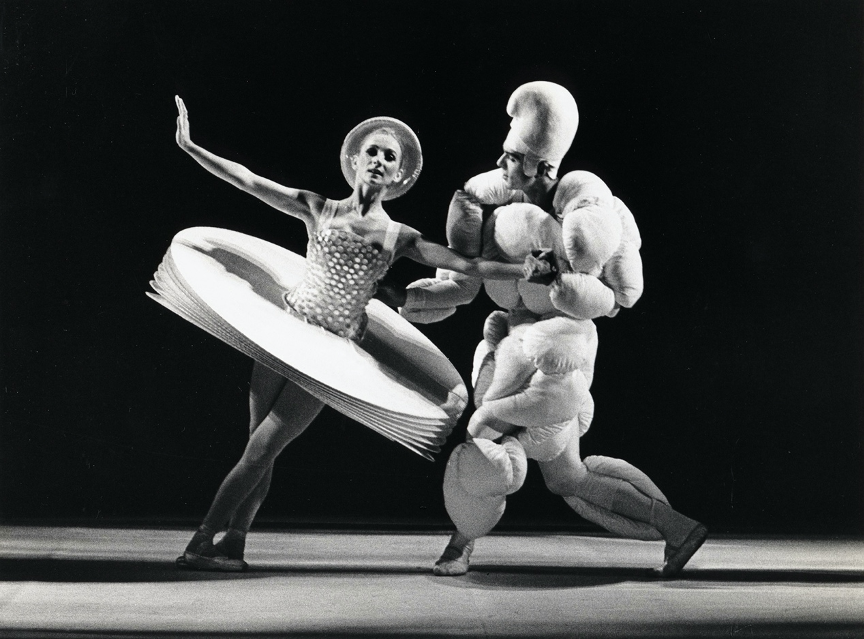
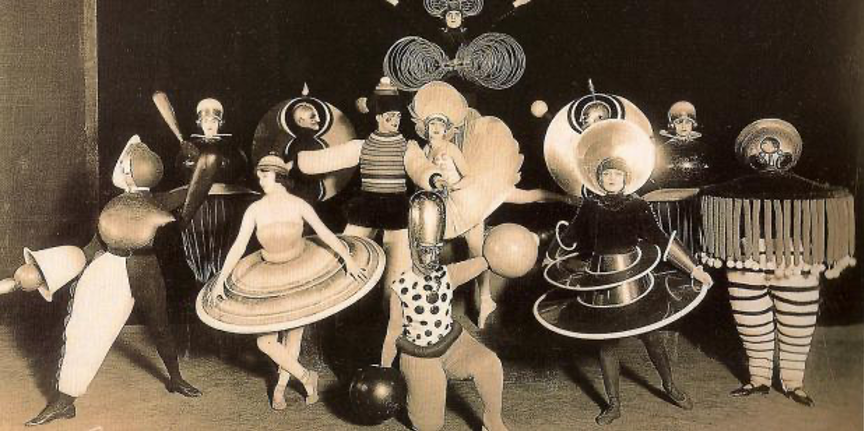
The cover is a picture from Oskar Schlemmer’s Triadisches Ballett (Triadic Ballet), a choreography with costumed actors transformed into geometrical representations of the human body.

ballet black white

Ballet colour

There is also this wonderful video testimony of one of the early performances of that choreography

The video sent me back in time – clockdust time – when I was a 6-year old schoolboy. For the very first time in my life, I stood – proudly – in front of a huge whiteboard in the classroom – it was a blackboard with white chalk – and we were invited by the teacher to properly write the letters of the alphabet with white chalk on this blackboard.

It must have been my early creative juices, but I could not withhold myself drawing big white spirals instead of well-formed a’s and b’s, etc. on that black-black blackboard. Result: punishment and the lesson learned that a classroom is not a place for creativity and imagination.

In vain, the seeds were sown, and spirals, spheres, labyrinths, maps, and foams became – with hindsight – an obsession. I love the endlessness, and the recursiveness of these shapes and forms. Especially double, entangled spirals or labyrinths get me going…

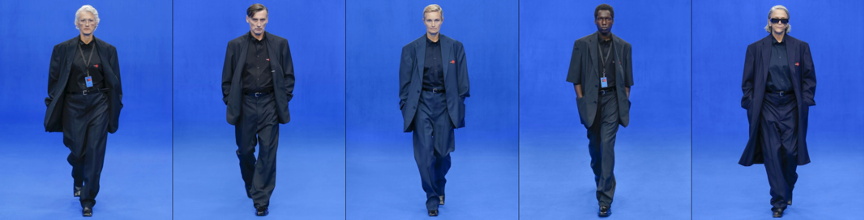
This high-end Balenciaga Summer 2020 production, with music from BFRND, is a perfect timestamp of our times. Grim black coats, at times almost German SS uniform like Arial race,… our sleepwalking into fascism. One thinks The Matrix, hard as stone, sharp as a knife, and greyed out faces. Will we take the Red or Blue pill? Blue for sure is the backdrop for what Balenciaga call “Power Dressing”.

balenciaga moods

Balenciaga Summer 20 reimagines dressing for work: power dressing, no matter what one does as a job. Looks transform a wearer in the way a uniform can. Unlike their archetypes, though, garments and accessories are made using unconventional processes.

They talk about New Fashion Uniforms, Seamless Tailoring, New Trompe L’oeil, Super Plissé, Pillow Parkas, Fetish Gownsn, and Wearable Ballroom dresses.

Models of various career tracks interpret and play on beauty standards of today, the past, and the future.

Enter Masks, a new book by James Curcio, about Bowie and other artists of artifice. I spotted the book in a guest post by James Curcio on Ribbonfarm’s always excellent blog.

maskhrfinal-82106-290x400

The difference between a king and a beggar, a soldier and a murderer remains in the realm of performance, a kind of farcical mummers trick that we agree to play along with, if often unconsciously.

The bulk of the book is about Bowie’s unique conceptual art, his capability to create new coherent worlds and identities. I miss Bowie.

The post and book also refer to French philosopher Jean Baudrillard’s book Simulacra and Simulation, apparently required reading for the actors of The Matrix before filming. According to Wikipedia, Baudrillard is “best known for his analyses of media, contemporary culture, and technological communication, as well as his formulation of concepts such as simulation and hyperreality.”

It cannot be happenstance that I find a reference to Simulacra and Simulation in “Design Unbound”, fantastic two-volume work on “Designing for Emergence in a White Water World”, by John Seely Brown and Ann M. Pendleton-Jullian, a print-only MIT Press publication. Chapter 14 is about “World Building”: “much more than just the setting for a story, word building creates coherent contexts that stories become to inhabit”

This is very much avant-garde, feels a lot like Cobra world-building practices like New Babylon by Constant Nieuwenhuis.

I feel like I am drifting into a thin timeline, and time is slipping through my fingers like clockdust. A shaken gravity, with no reference framework, unable to make U-turns, and affront reality with an open mind, heart, and will.

I need a new backdrop, a new backstory to make or break sense. I want to liberate myself from the harness of fixed time and space. An opening-up that leads to more vulnerability – and less power dress. With proximity, intimacy, and closeness – like the closeness and blissfulness that is evoked in “Two Sleepy People” in the March 2020 Mini-Ride.

In that sense, the from/to framing of before and after COVID-19 is misleading. I believe we have to start thinking of ourselves as analog/digital assets whose state is updated in real-time ànd asynchronously, our lives continuously evolving through space and time. We are indeed astronauts, in need of coherent world-building and navigating clockdust till eternity.

I have time. You have time. Both clock-time (Chronos) and experienced-time (Kairos). Ping me if you want to continue the conversation. I’d love to hear where your clockdust has settled these days.

petervan-signature

The End of Experience

EX-perience is “out”, IN-tervention is “in”

When I talk about “experience”, I mean:

  • The new hype of artistic “experiences” at art exhibits
  • “Experiences” at events
  • The “experience” of driving a car
  • The “experience” in whatever, like tasting chocolate, as promoted in advertisements

It is almost always about “entertainment”, easy/easier/more convenient consumption, not forcing you to learn a new (or old/existing) language.

CycleGAN - December 22nd 2019 at 3.16.22 PM

Petervan Artwork © 2020 – Canvas through CycleGAN cloud AI model


When I talk about “intervention”, I mean:

  • Provoking
  • Asking questions
  • Challenging assumptions
  • Planting speculations
  • Through visceral (sensorial) triggers
  • Creating better “resonances”
  • Playing your harmonics, like harmonics in music
  • Hearing the real-real sound (like in Neil Young Archives)

Formats can be analog and digital artwork, performances, events, retreats, writings, poems, blogs, installations, exhibitions, immersions, soundscapes, recordings, documentaries, time capsules, AI warps, and fairy tales 😉

Interventions help us rediscover what is real, what resonates, what makes us go into frequency, what moves us, etc. And all this with a direction, with an intention: to enable spiritual, moral and aesthetical advancement at systems’ scale.

petervan-signature

Petervan Studios – August 2019 Update

15SCI-APOLLOKITSCH5-superJumbo

For those interested, here is an overview of what happened in the last couple of months, some new insights, and some updated plans. I often hesitate to publish these snapshot-updates, because 1) they are snapshots only and don’t connect you with the day-by-day journey, 2) plans change over time, and 3) I always wonder who would be interested in this at all. Maybe it’s a way to give some counterweight to some form of imposter behavior.

The Artschool Project

Compared to the previous period, my production of paintings was relatively low. I continued my birds-project, and painted/sketched probably hundreds of birds, in small and big format. I internalized the shape of the bird in a way that it almost becomes a calligraphic artifact

IMG_2768

Petervan Artwork © 2019 - Birds - Acryl on Canvas - about 40x60cm

IMG_2792

Petervan Artwork © 2019 - Birds - Acryl on Canvas - 120x100cm

IMG_2869

Petervan Artwork © 2019 - Birds - Marker on Post-It - 7,5x7,5cm

Next is to make a big work of 720 calligraphic birds, on a grid of 24×30 boxes of 5x5cm

And just came across this video

https://vimeo.com/349507946

With this great still of what else I could do with birds:

birds in video

Other paintings and sketches include “Fox-on-the-Run”, “Doorway”, “Interior”, and “No Title”, all Acryl on Canvas – Format 50x50cm

Fox2 cropped V1Doorway croppedInterieur V2 croppedSticks on Water painted cropped

The academy year ended in June, and for the 4th year students, this meant showcasing your work to an external jury. I got some juicy comments but passed.

The last year, I also followed the course “Art and Culture” by Fiorella Stinders, whose enthusiasm is contagious. I will make a separate post on this, but suffice to say here that we had to apply what we learned about seeing and understanding art to 3 pieces of art: two selected by the teacher (I picked Ali’s Boat below), and one self-selected artwork that you had seen in real life.

Artschool will start again on Sep 2019, and I will start my 5th year painting. This year, I will combine it with Digital Visual Arts. They call it a “cross-over”.

Time Capsules Project

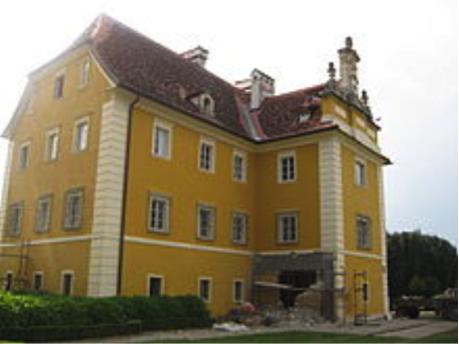
The Time Capsules Project (see my previous update) is a bit on hold. We (my cousin and I) had some good interview with possible candidates. We got a very interesting intro to an art collector living in a castle in the Austrian Alps.

Schloss

We have a draft proposal ready, but we first want to have at least a prototype of our Beyoncé project, before further engaging with this Austrian patron.

Delicacies

I decided to change the format of Delicacies somewhat. Instead of the weekly deluge, I see an irregular, unpredictable, incoherent, unfocused set of mind-sparks that got me thinking. I gather them as I go, and once every month (maybe every two, three months), I condense the harvest in maximum 5-10 Delicacies. Also a bit back to the joy of discovery and awe, away from the pressure to pump out a too bulky newsletter every week. Hope you find the same joy in reading as I did in discovering.

delicacies

Check-out the new format here.

Blogs

Blog rhythm was slow. That’s an understatement. However, I queued up a huge list of reflections. I will try to post them in short blogs, 1-2 per month.

Mixes

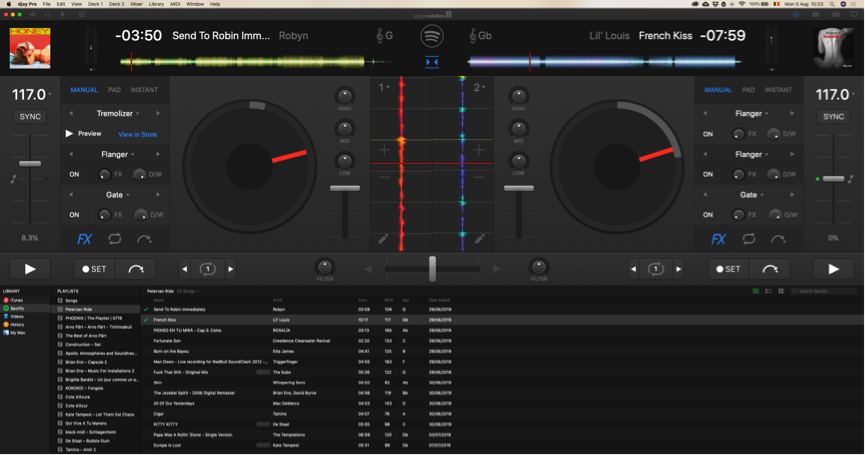
More playing. This time playing around with DJ Pro for Mac. I finally discovered how to mix audio and video. With hindsight, I could as well have done this in iMovie or Adobe Premiere, without the luxury of tempo-synching.

DJ Pro

Petervan Mix of Robyn and Lil' Louis

I am considering the idea of sharing on a regular basis some of my mixes. The working title for this project is “Petervan’s Rides”.

Visual Collisions

For a client project, I started collecting a number of “visual collisions”. Most of these are videos, a minority are pictures. These visual collisions are intended to de-frame an audience before introducing something new.

Currently, the list includes almost 200 video snippets. Here is an example snippet:

Books

I have been reading quite a lot. Some books on design such as “Design Unbound Volume 1 & 2”, and “Speculative Everything”.

I also liked a lot David Weinberger’s “Everyday Chaos”, James Bridle’s “New Dark Age”, Paul Mason’s “Clear Bright Future”, and the fantastic memoirs of Marina Abramovic “Walk Through Walls”.

EGTW_1-0_cover_webres

The absolute #1 recommendation is Ian Cheng’s “Emissary’s Guide to Worlding”. The quote that drove me crazy was:

“A World is a future you can believe in: One that promises to survive its creator, and continue generating drama.”

You can find a link to all the books I am reading in my Goodreads.

Exhibitions

I visited some art exhibitions: The SMAK Anniversary in Ghent (still running till end Sep 2019, and Wim Delvoye in Museum of Fine Arts in Brussels (just closed end of July 2019)

Wim Delvoye - Embossed Maserati
Royal Museums of Fine Arts, Brussels


HD05_Korakrit05

Korakrit Arunanondchai Letters to Chantri #1 - SMAK Ghent
2014 video and digital projection (colour, sound), mixed media

My own exhibition

Since I started academy some years ago, I produced something like 500 drawings, paintings, sketches, soundscapes, and video experiments. Many of you have asked whether I even thought of setting up an exhibition of my own work. Well, guess what? That’s exactly what is going to happen begin June 2020 (exact dates to be announced). The challenge will be to make a selection of what to showcase. I have secured a wonderful location somewhere deep into the Flemish Ardennes.

Outdoors

Great summer so far, with a couple of solid heat waves. Getting a nice tan, as maintaining the garden and biking keep me busy. I have about 150 meters of hedges (x2 both sides), so by the time you get to the end, you can start again ;-)? And biking tours are semi-regular small distances (20-40 km) at a very-very low speed.

IMG_3416

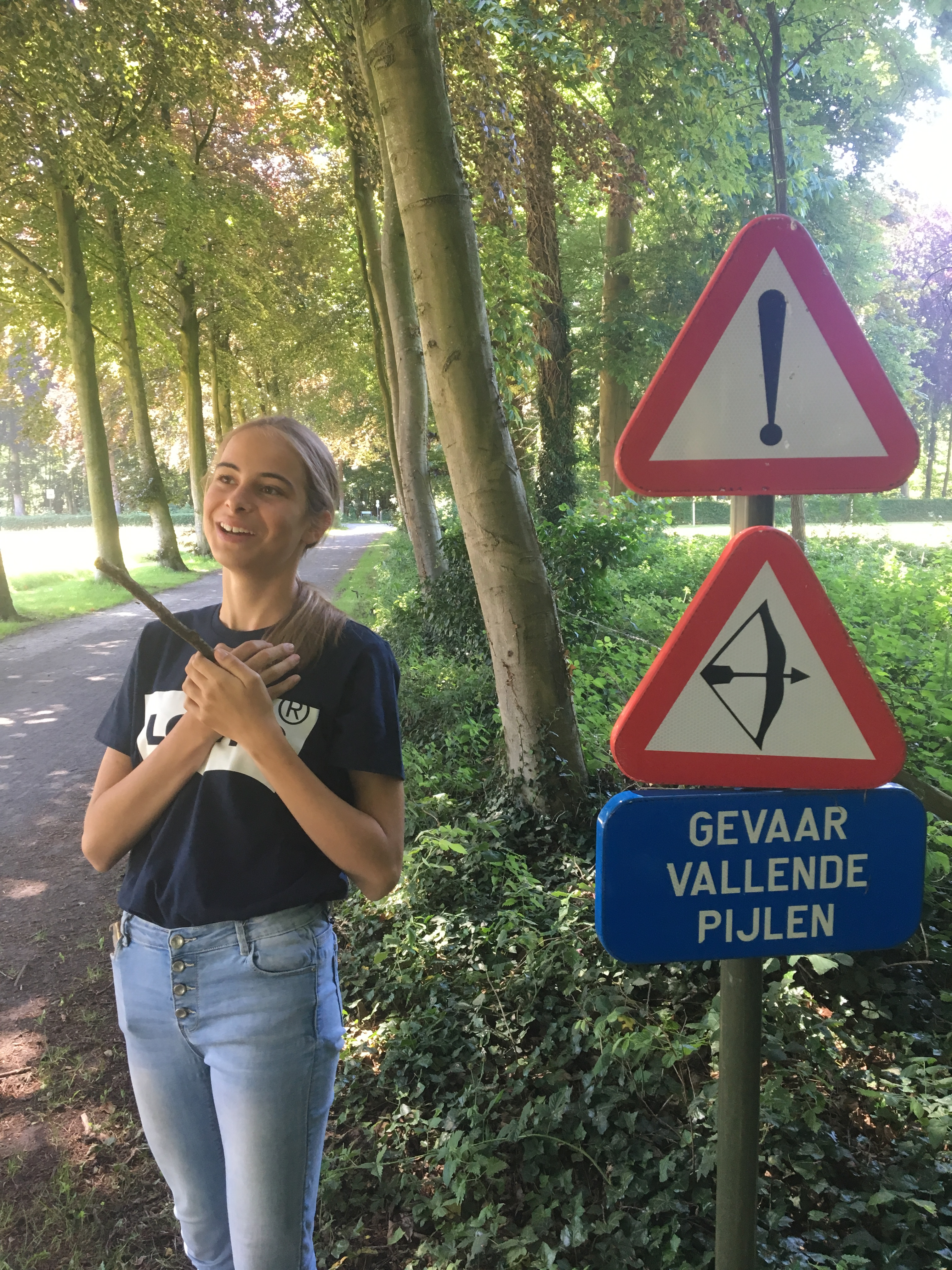
Astrid ignoring Flying Arrow Warning in Tillegembos - Brugge

IMG_3113

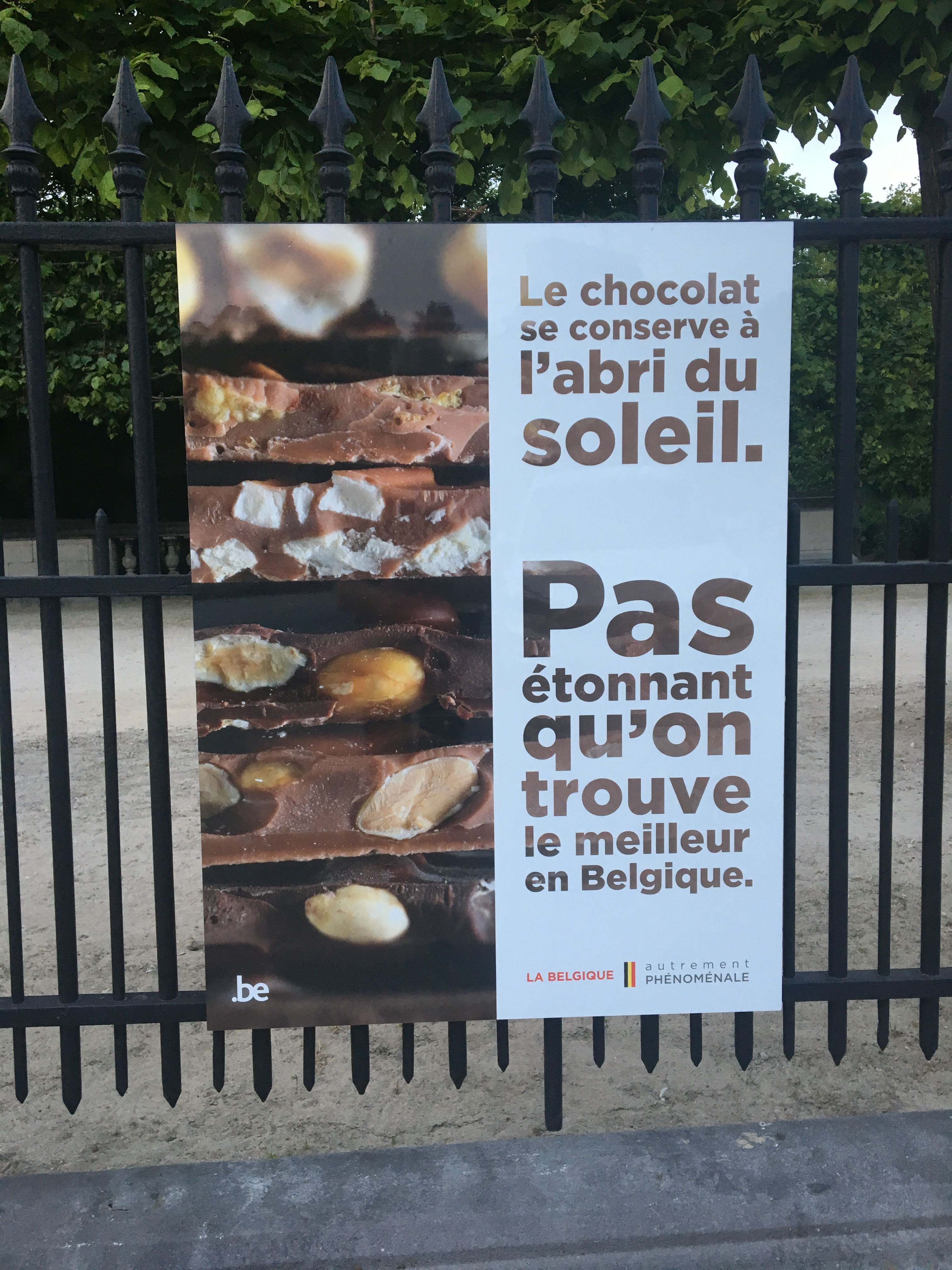
Tour De France - Belgian Surrealistic Chocolate Advertisement

The Tour de France 2019 was also close by. A romantic impression of the passage in East-Flanders.

Freelance

Begin 2019, I started doing some freelance gigs.

  • I do some work for Futurist Gerd Leonhard. Mainly some research, blogging and podcasting. See also my announcement here. In June, we did a gig together in Bucharest, where I acted as Gerd’s assistant for interacting with the audience.

If you look carefully, you see me somewhere in the back. Good to see some friends there as well (shout out to Ioana and Innes!).

  • Some event content curation: some clients ask me to help them with selecting speakers and content for their events
  • I am also involved in a special project for a client, who asked me help creating a truly immersive leadership offsite, think of an Innotribe@Sibos 2016, but then created as a private high-touch retreat/offsite. The client allows me to go deep, to take the time needed to let structure and concepts emerge, like a piece of fruit needs time to mature into something well-developed and juicy. I am starting to label this sort of work “Artistic interventions, interruptions, and provocations”.

All the above helped me getting sharper on what I really want.

Reflections

Retirement is coming closer. If all goes well, I will retire on 1 May 2020. What will I do with all that free time? I wrote about “The Perfect Day” in my post “Freed from Desire”

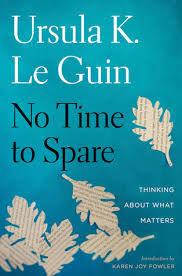
But Ursula K Le Quin challenged me in her book “No Time to Spare”

ursula

“Life out of the rat race, but still in the comfort zone, can give the chance to be in the moment, and bring real peace of mind.”

It feels I already made the great switch in 2018 when I left corporate life and started doing the things I really love doing in and with my life, following what inspires me: art and reflection. You can already witness the shift in the articles I queued up for Delicacies. With that background, a good summary of what I do could be:

I create artistic interventions, interruptions, and provocations that lead to higher states of alertness and aliveness. Formats can be analog and digital artwork, installations, performances, writings, poems, soundscapes, recordings, and time capsules.

Petervan Studios

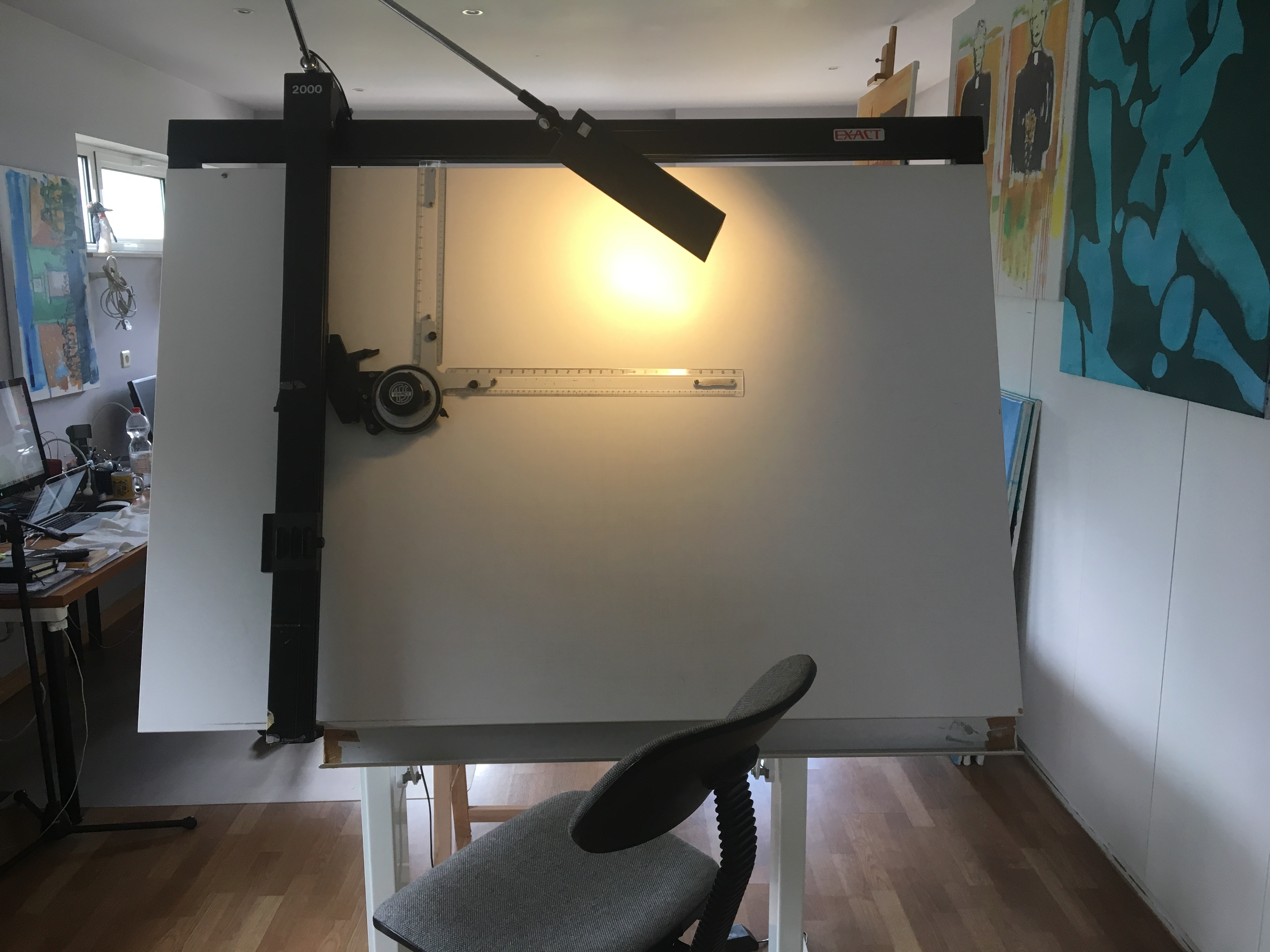
This strange mix of formats – or “containers” as Ian Cheng calls them in “Emissary’s…”  results in different practices or studios (plural). That’s why I am starting to brand my collective work as “Petervan Studios”. I switch from the easel to the audio mixing panel, to digital drawing panels, Adobe Premiere, iMovie, Ableton Live and Ableton Push. I now also installed an architect drawing table and chair (found them for FREE on a second hand website), additional lavalier microphones for better audio quality in videos, and some extra tripods for stable imagery.

Looking at the mess, it’s time I commission some studio renovation works: it will include some fresh paint, some better lightning, a huge whiteboard for brainstorming, a quality projection screen, and a shower.

IMG_3486

Petervan Studios - The place starts looking very messy now

I also discovered an interesting piece of software called “Descript”, a tool for automated transcripts, and simultaneous editing of text, audio, and video: amazing.


So, what’s next?

The plan for Aug – Oct 2019 is to work on:

  • Finalize and deliver the immersive Leadership Off-site
  • Doing some more cool stuff with Gerd
  • Paint, Paint, Paint
  • Private community test V1 of “Time Capsules”
  • Studio renovation
  • Take some time off in November

So, that’s it for this edition. If there is something worth reporting, next update is for Oct-Nov 2019.

Warmest,

petervan-signature