As promised in my blog on NOOR’s work, here is another angle at the magic symbiosis between sports, arts, and technology.
Today, I would like you to meet Marc Bogaerts, a 75-year old rebellious choreographer and artistic director who has worked with more than 50 dance, opera, and circus companies worldwide. He is renowned for his fondness for creating unconventional combinations on stage and drawing inspiration from a wide range of subjects. Many of his projects combine several styles – e.g., opera, ballet, stationary art, ballroom dancing, ice dancing, breakdancing, and nouveau circus – to build bridges between different types of physical expression. Have a look at his portfolio, bio, and achievements on his website Bogaerts Productions. He used to travel the world, with home base in Berlin and Antwerp. He has now retreated – but not retired – into a home container on a farm somewhere in the middle of nowhere in Flanders.
Like NOOR, he also combines sports and art. I have been in regular conversations with Marc since 2022. Now, I believe the time has come to share some exciting opportunities around a concept he invented: Human Powered Vehicles (HPVs). Marc is very intense. He radiates energy. Here he is:
There are many ways to approach this, and Marc generously gave me the ground-idea to explore possibilities in the artistic/entertainment scene. Marc just promoted me as his artistic curator for the Arts and Culture domain.
What are Human Powered Vehicles?
In the past, Marc worked for Cirque du Soleil, renowned for its spectacular shows featuring predominantly gymnastic acrobats. But in Marc’s vision, gymnastics is “only” one of some 120 sports that can be combined with art and technology. This broader concept led to the idea of Cirque des Sports. Human Powered Vehicles are one expression of that vision.
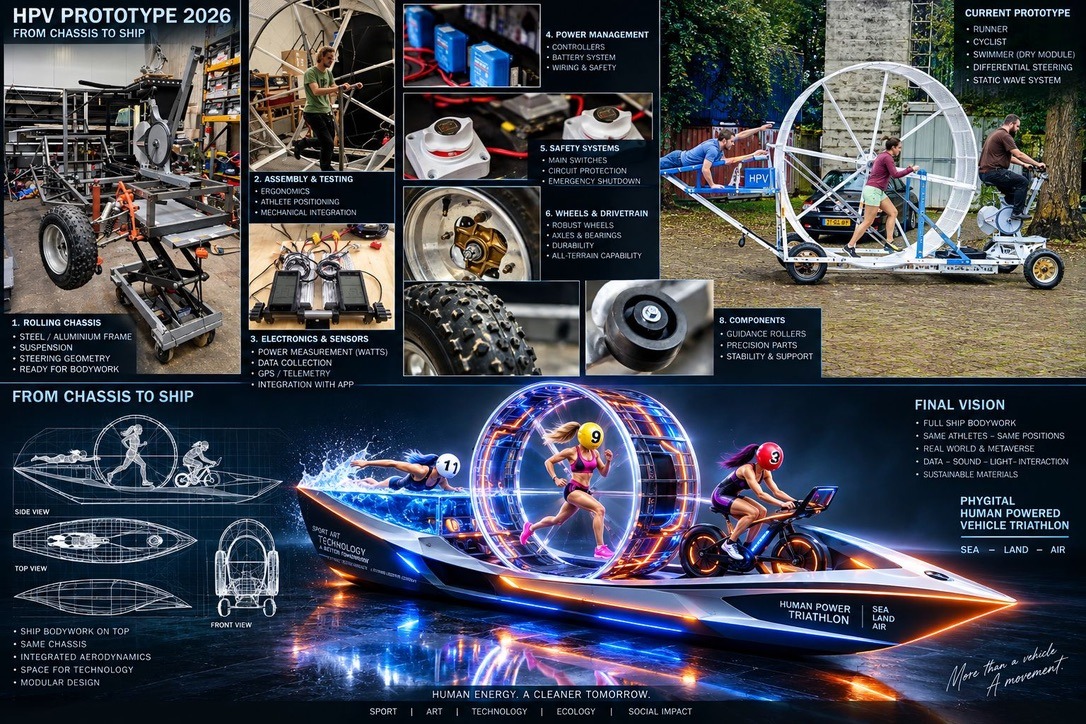
Human Powered Vehicles (HPVs) are spectacular, eye-catching phygital vehicles powered by human movement, with electric power (E-power) providing additional support when needed. Designed as a symbiosis of sport, art, science, and green technology, they can embody Olympic disciplines—for example, the running, swimming, and cycling elements of the Triathlon HPV. At the same time, HPVs can function as highly visible marketing platforms, artistic expressions, and powerful tools for social and environmental campaigns.
Physical human energy is captured and translated into real-time data. That data then drives a range of advanced digital, visual, and physical effects, turning human effort into an immersive, highly visible experience.
All HPVs are built around one central, unifying principle: human emotion.
Below are a concept video, created two years ago, and a behind-the-scenes video showing how we brought the concept to life.
Status of the project
A small-scale prototype has been built. It has been deployed at several events. The prototype is large enough to host the three athletes to power the system.
Now that the prototype has proven the technical feasibility, we believe we are ready to start building the full-scale monumental HPV.
Opportunities
The Human Powered Vehicle (HPV) is framed as much more than a vehicle—it is a “travelling multi-sensory living laboratory” and an “ark of human innovation”. By combining physical human effort, real-time biometric data, clean energy, and immersive technology, the HPV opens up 10 distinct fields of opportunity:
Orthopedic Technology, Rehabilitation & Veterans Support
Interactive Museums & “Cobot Art” Co-Creation
What are we looking for?
We are looking for passionate partners willing to bring the vision of HPVs and the ark of human innovation to life.
Persons, institutions, and artists who want to integrate the HPVs into their creations
Venues, museums, galleries, etc. interested in organizing expos about the history and making-of of HPVs (there are beautiful maquettes, drawings, and animations that are artistic in their own right). The prototype in itself can be exposed as an artistic creation.
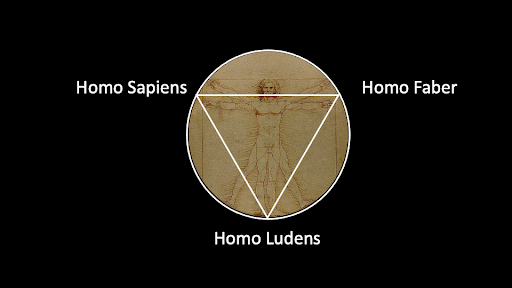
Any organisation willing to explore a trinity of some kind. Can be the trinity of the three sports of triathlon, but also other trinities such as the trinity of Home Sapiens, Homo Faber, and Homo Ludens; the trinity of the past, the present, and the future; the trinity of space, time, and place.
We are also looking for partners that can help us with part 2 of the project:
Creating the monumental version of the HPVs
Adding the digital layers
Integrating into existing productions
Creating the humanly unthinkable
If interested, please contact me via the usual channels.
With that background, I would like to dive a little deeper into other aspects of her research and explore how a new way of becoming raises the question of what is worth measuring.
NOOR’s research
Her work is based on five theoretical pillars:
Pillar I: Achievement Motivation and the Competition State
Pillar II: Gendered Body Comportment and Relational Embodiment
Pillar III: Kinetic Awareness versus Functional Alienation
Pillar IV: The Language of the Body as Resistance
Pillar V: Institutional Power and Tacit Knowing
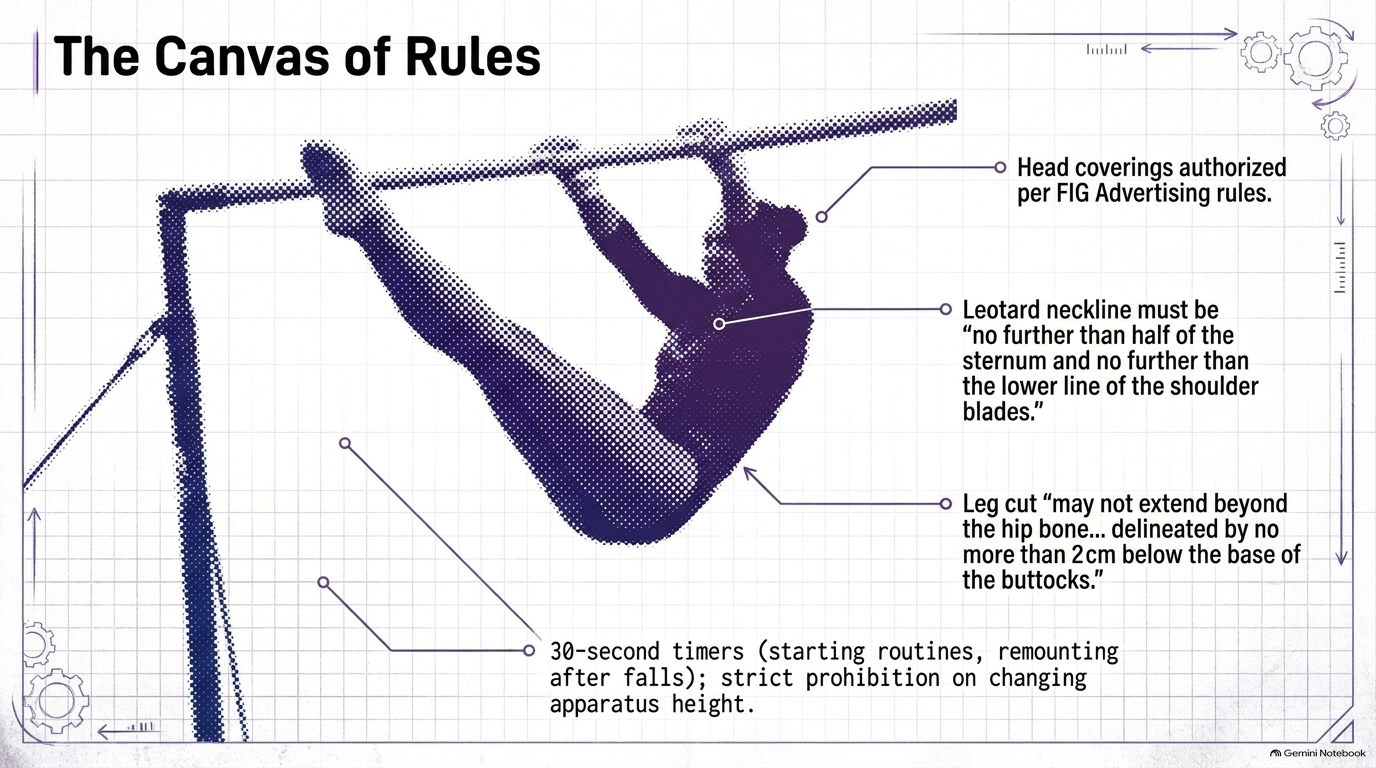
If we zoom in on Pillar II, we see that high-performance sports such as Women’s Artistic Gymnastics demand a highly disciplined environment. This “limited intentionality” is not merely psychological; it is materially and institutionally produced through regulations that physicalize discipline. By restricting a neckline to “half of the sternum” or a leg cut to the “hip bone,” these regulations physically delimit the female athlete’s bodily presence, prescribing not only how her body may appear but also the spatiality of its movement and reach.
Contrastingly, the “new embodiment” argues for relationality. Instead of an isolated, disciplined body performing for an external score, NOOR envisions a body that exists in relation to its community and its own internal state.
The measurable body is reduced to a numerical sequence, a “data point” in a governed script, and a series of technical skills to be deducted by a jury. By contrast, NOOR’s thesis suggests a “Lived Body”, a “Lived Experience”: the body uses its own language, prioritizes the “desire to understand,” and embraces the vulnerability of a “broken rule” as a moment of liberation.
Under Pillar III, she challenges the reduction of bodies in elite sport to quantifiable units—fragments of movement extracted, coded, and rendered legible for judicial consumption. Here, the focus is on the static state: the Coded Body. The official Code of Points (COP) is by the WAG (Women’s Artistic Gymnastics). The COP transforms the routine into an “extinction of the moment”: what is experienced as continuous, kinetic movement is captured as a series of discrete, measurable outcomes. Skills are stripped of their temporal and embodied flow, translated instead into numerical sequences that can be evaluated, compared, and scored.
NOOR’s Running Score” is an ontology of becoming . It is an “evolving total” that refuses the finality of the judge’s verdict. This shift is punctuated by the project’s use of generative logic to replace judicial logic with a methodological script that documents the continuity of experience rather than the error of the result.
All this made me reflect on what is worth measuring. Spoiler: Instead of measuring the being, I suggest we find a way to measure the becoming. Let me build up the context for this proposition. And to manage your expectations: there is no answer. It is an invitation for debate and conversation.
Homo Ludens
In Johan Huizinga’s Homo Ludens, a game (or play) is defined as “a voluntary, absorbing activity carried out within certain fixed limits of time and place, according to freely accepted rules, and attended by a feeling of tension, joy, and a consciousness that it is ‘different’ from ordinary life.”
Huizinga argues that civilization does not come from play; rather, culture arises in and as play. He demonstrates that foundational elements of society—such as law, warfare, poetry, philosophy, and art—developed out of ancient ritual contests and rule-bound social play long before they became institutionalized
Huizinga’s “magic circle” describes the physical or psychological space where a game takes place and where the rules of the real world are temporarily suspended. Within this circle, a new set of rules, meanings, and logic applies that holds no weight in ordinary life.
In modern game design, the magic circle represents the psychological barrier where a player enters a state of immersion. Inside this boundary, the virtual world feels real, and the stakes matter to the player.
Game or play is a way of becoming
Finite/Infinite Games
In Finite/Infinite Games, philosopher James P. Carse explores the idea that all human interactions and behaviors can be viewed through the lens of two distinct types of “games.”
Carse introduces his thesis in the very first line of the book: “A finite game is played for the purpose of winning, an infinite game for the purpose of continuing the play.”
Feature
Finite Games
Infinite Games
Primary Goal
To win (which ends the game)
To keep playing and prevent the game from ending
Boundaries
Fixed temporal, spatial, and numerical limits
Boundless; open and expanding
Rules
Fixed and agreed-upon; changing them breaks the game
Dynamic and evolving; changed precisely to keep the play alive
Players
Known, select participants with clear opponents
Ever-changing roster; open to anyone
Examples
Sports, politics, war, getting a degree, corporate promotions
Culture, love, a career, learning, nature, life itself
NOOR’s new sports are infinite games.
Process Philosophy
Philosopher Whitehead is considered the godfather of Process Philosophy. Instead of a philosophy of being, he proposed a philosophy of becoming.
“Developed in his seminal 1929 bookProcess and Reality, this ontology argues that “becoming” is more fundamental than “being”—meaning the universe is a web of energetic, experiential events rather than a collection of passive, physical matter.”
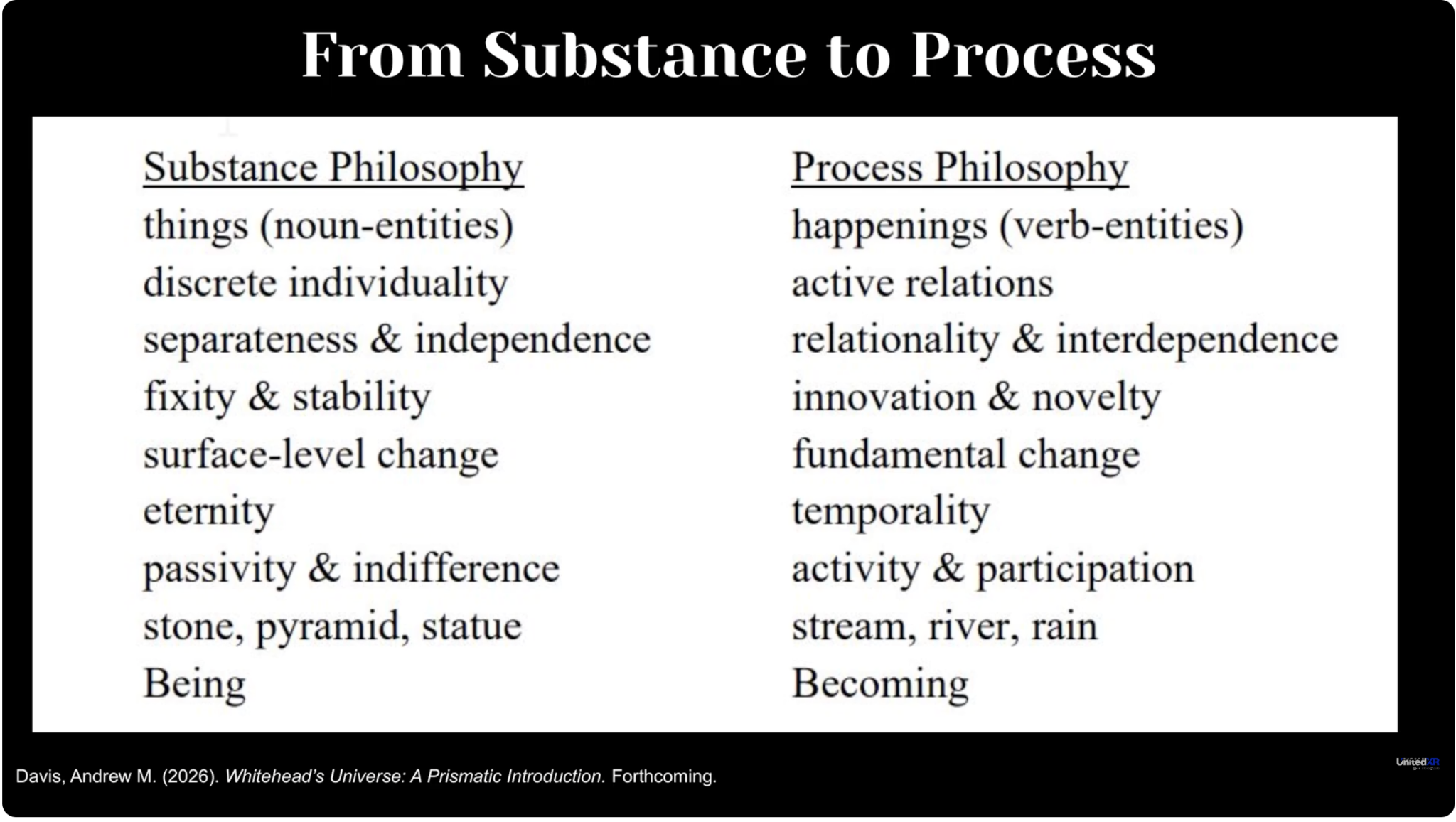
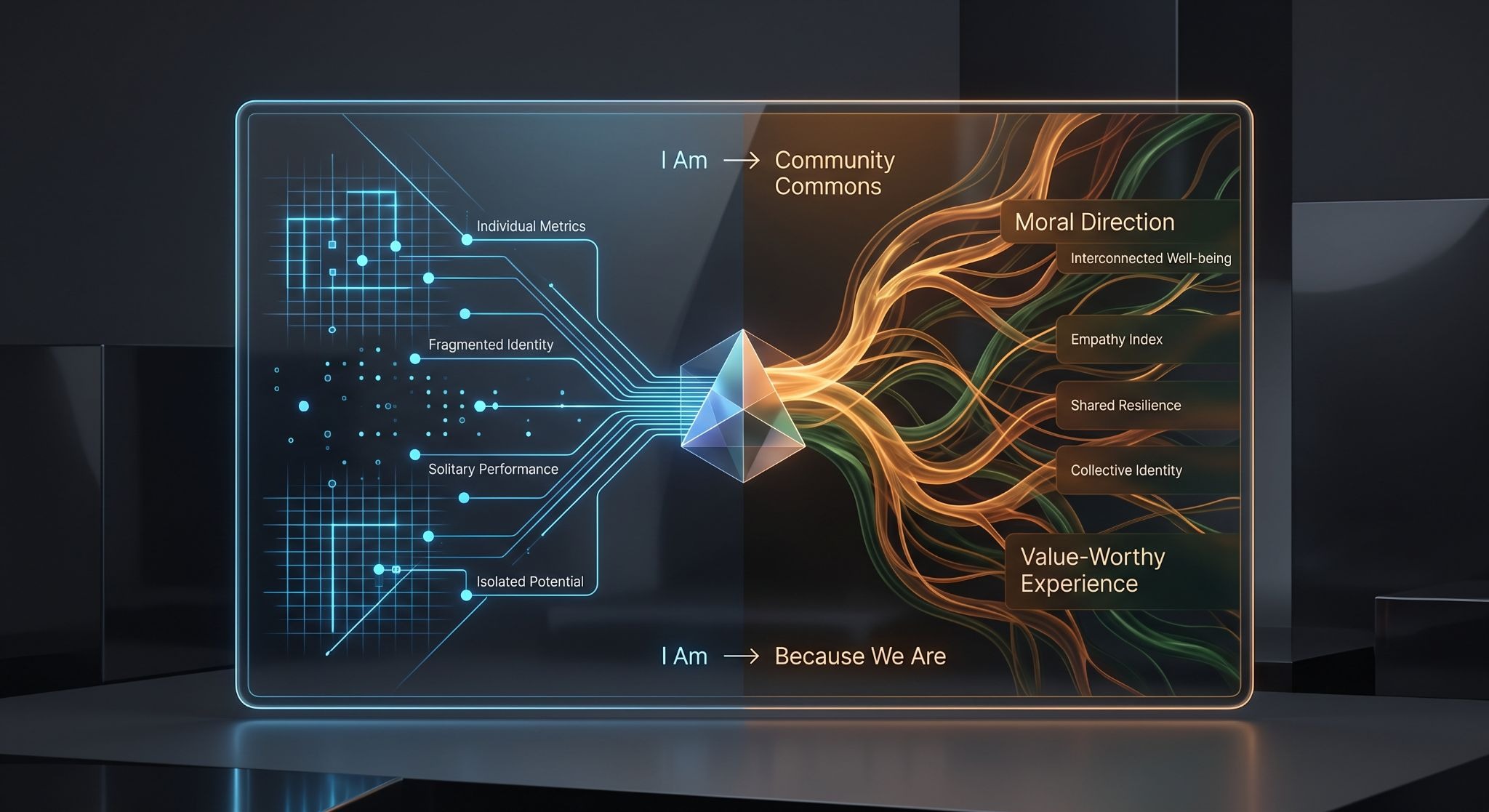
In his presentations on the four elements of the experiential design framework for immersive storytelling, Kent Bye draws an explicit connection to process philosophy. The slide below maps the foundational metaphysical scaffolding of a paradigm shift inspired by the philosophy of Alfred North Whitehead, contrasting traditional Substance Philosophy—centered on permanent, static “being”—with Process Philosophy—centered on dynamic, interconnected “becoming.”
It is precisely this shift, from being to becoming, that provides the philosophical foundation for NOOR’s work.
The slide is based on the work of process philosopher and theologian Dr. Andrew M. Davis, specifically serving as a visual graphic for his book Whitehead’s Universe: A Prismatic Introduction (published by Orbis Books).
Protocol Art
In NOOR’s work, the artist becomes a protocol designer, creating the conditions for others to instantiate endless variations of the work.
The Protocol is like the recipe, the stage, the score, the spec, the scripts, the primitives. The Instantiation is like the dish, the mixed outcome, the expression, the combinations of primitives. In that sense, Protocol Art is about delegating the instantiation. The artist becomes the composer. See also my 2019 post on “who is the composer?”
Which leads to another question: who is the instantiator? It can be craftsmen, it can be the audience, it can be machines, it can be Agents. In a sense, this is not new; already in the 17th century, Rubens was running his studio: the master has pupils working in his style, working with his protocols of mixing paint, making brushstrokes in certain ways, etc
Protocol Art expands this practice and gives attention to aspects like “Pattern Integrity”, “Style” of instantiation, etc. Christopher Alexander, anybody?
Agentworld and Superdark Factory
What if we also start delegating the work of the protocol composer, the architect of the experience? You would get something that resembles The Superdark Factory or the Agentworld of Antikythera.
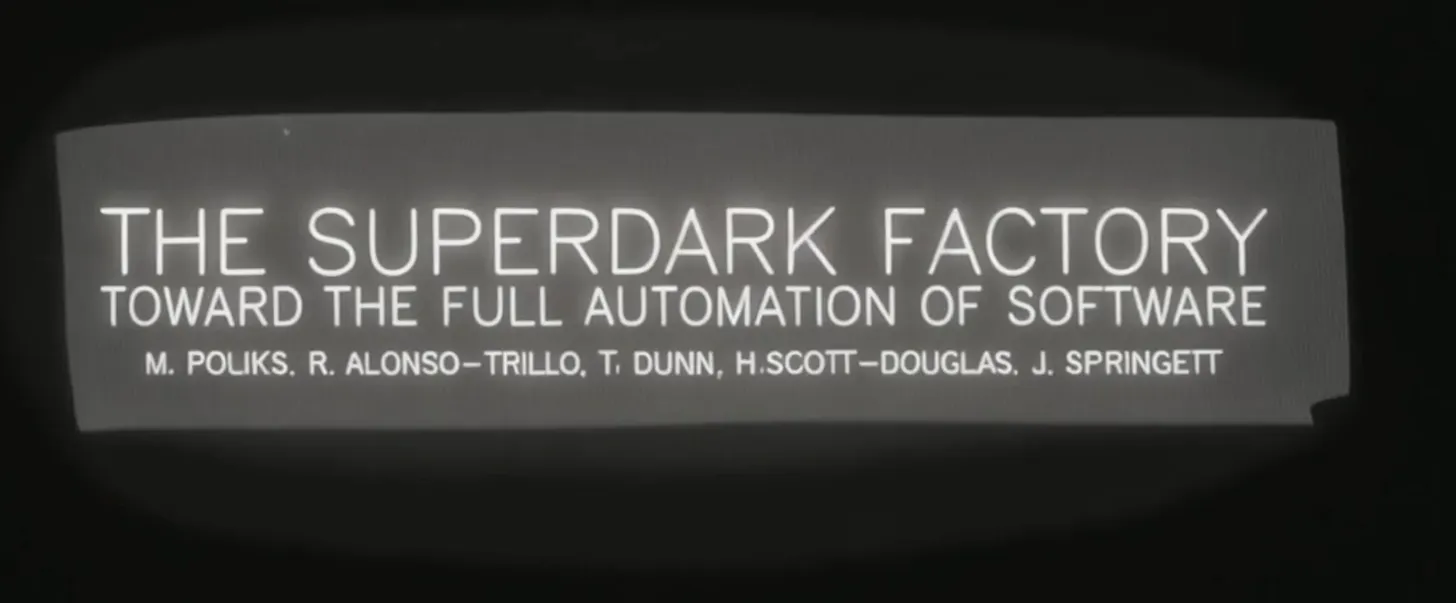
In Superdark Factory (dark or superdark as in illegable, not-understandable), the Antikythera authors argue that the historical evolution of software engineering has reached a critical inflection point where conventional, human-governed software pipelines—characterised by manual oversight, explicit logic specification, and step-by-step human verification—impose severe structural bottlenecks on throughput, operational speed, and systemic capability.
Achieving a true step-change in productivity demands surrendering the requirement for direct human supervision within operational feedback loops, delegating both execution and architectural decision-making directly to computational machinery.
The Superdark Factory represents the limit case of this transition: an extreme, self-directed, recursively self-optimising software ecosystem. Operating as an autonomous abstract machine, the Superdark Factory independently formulates its own ambitions, designs and constructs the machinery required to pursue them, and continuously restructures and refines its own operations—without human intervention within its feedback loops.
Rather than merely executing static instructions, the Superdark Factory automates production at the level of determining what is worth producing, continuously generating new internal versions of itself to satisfy ambient imperatives. It is a “versioning regime that measures what the factory does rather than what it is”
In the Superdark Factory, we let the machine decide what is worth building.
What is worth measuring?
The world is in flux. Always has been. Maybe faster now than in the past, maybe at a different clock speed, incomprehensible and illegible for humans.
How can we measure flux? How can we measure becoming? How can we measure flow? How can we measure computation-in-action? Do we measure pattern integrity? Style? Direction (in many senses: backward/forward, progressive/regressive, moral/amoral, etc.)? Who sets the norms? Tech companies? A new kind of institution?
What do we consider as “valuable”? Should value be based on Western individuality? Or on communities/commons principles like Ubuntu or Hunhu? This AEON article was an eye-opener for me. Instead of focusing on trustworthy infrastructures, wouldn’t it be wiser to strive for value-worthy experiences, based on the social/cultural “needs” of humans? Values such as identity, reputation, community, and now maybe also values such as becoming, pattern integrity, and everything on the right side of the Whitehead/Davis slide?
There is no definitive answer. This post is an invitation to debate and conversation. But I find myself excited by the possibility of moving beyond the measurement of the static—the “being”—towards something that captures the dynamic, emergent quality of “becoming.”
At a recent family gathering, I learned that the grandchild of one of my nieces is studying at the School of Arts (KASK) in Ghent and is expected to complete her final master’s degree in 2027.
But the title could be misleading. NOOR’s work represents a critical intervention at the high-stakes intersection of elite athletic performance and contemporary artistic practice. This inquiry positions the “governed pedagogical space” of high-performance sport—specifically Women’s Artistic Gymnastics (WAG)—against the “rebellious act” of artistic creation. By deconstructing the rigid, judicial structures of elite sport, NOOR seeks to establish a theoretical and methodological framework for a “New Sport.”
The central research question interrogates how embodiment is shaped by the friction between a pervasive, patriarchal achievement culture and the necessity for female artistic sovereignty. She highlights the “Running Score” methodology—an evolving script that replaces static judgment with a continuous documentation of the developmental process.
This inquiry calls for a rigorous examination of the “Competition State”: a societal condition in which every action is measured against the ideal of perfection and the constant demand to prove one’s social value.
Especially at a time when AI is enabling humans to become ever more performant, competitive, and efficient, I believe her ambition can—and perhaps should—extend beyond “sport” as such. Her work has the potential to become a foundational critique of the hyper-competitive logic shaping both our personal and professional lives, while also proposing an alternative to it.
In this sense, her work could open up a much broader inquiry: How do we create a new way of becoming?
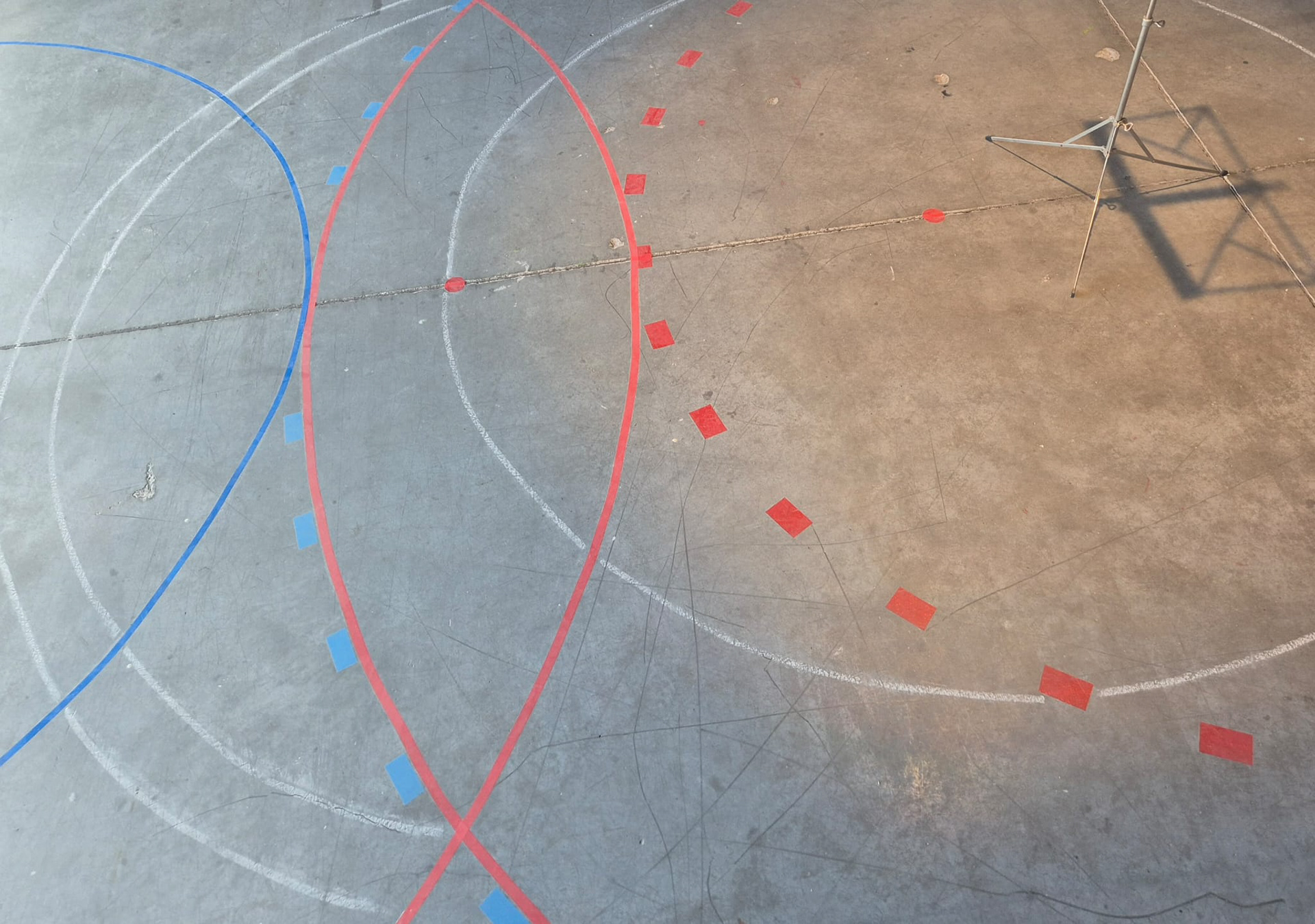
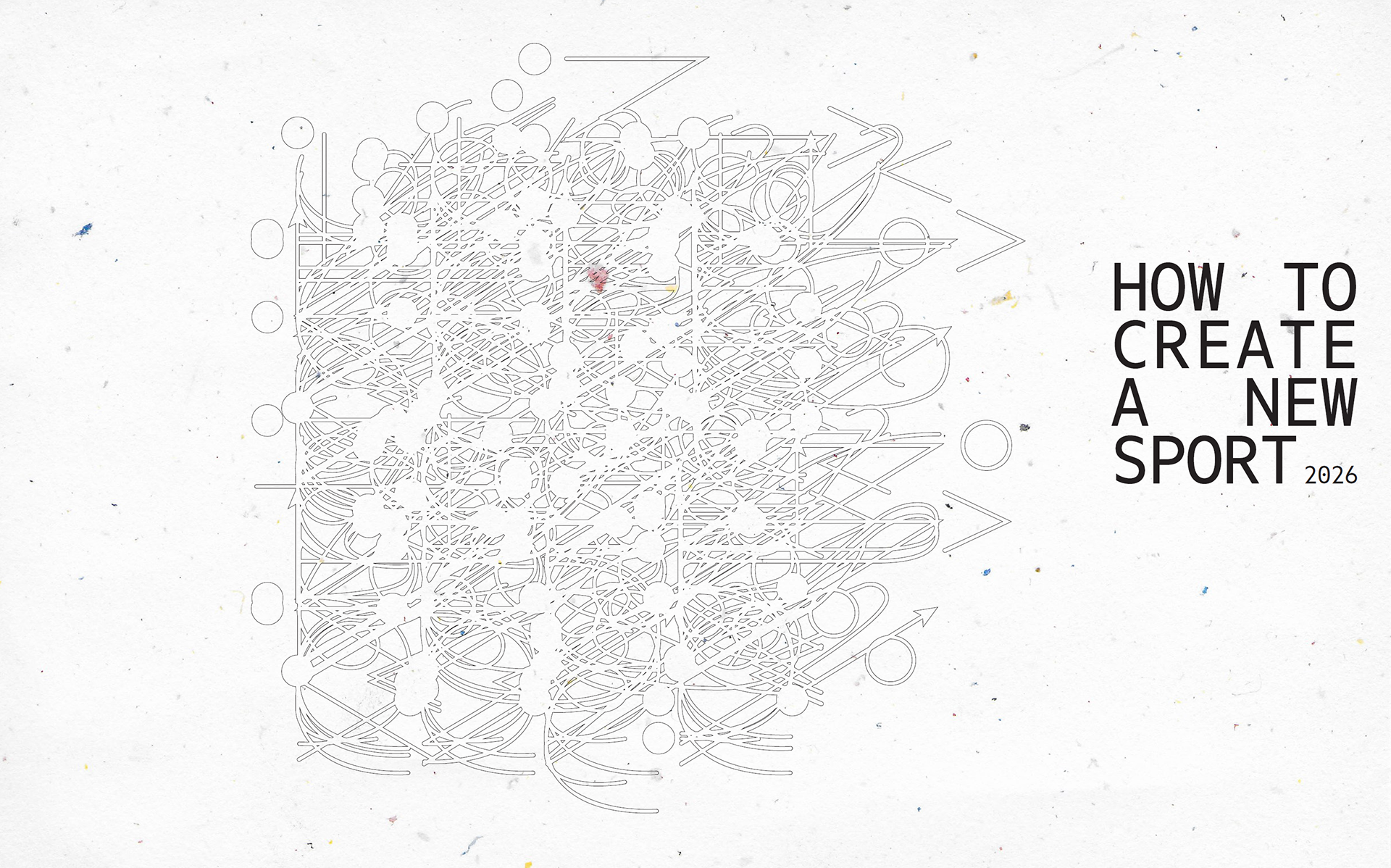
In addition to presenting an artistic in-situ performance, the deliverables of “Creating a New Sport” include a thesis and an artistic book documentary of her journey.
“an embodied social arts-based change methodology for making visible current reality and exploring emerging future possibilities. It includes a set of practices that synthesize embodied presence, movement theater, stillness, and dialogue. It reveals the wisdom in every social system and supports movement towards healthier futures.”
Or Ann Pendleton-Jullian’s work on “Design Unbound”, “Pragmatic Imagination”, and her FOUR (+1) Studios book (PDF) on “Studios”, where there is a whole section on game design and Homo Ludens (see pages 180 and following of FOUR(+1).
“Gameplay is the action associated with players making choices in the game environment. It is related to the sequential but interactive events of players operating in the rule-based site. It is the process of engagement of the game, while game design is the process of pre-engagement. It is the design of the rules for engagement. But game design can only be accomplished through playing the game as one is designing it.”
Also related is Venkat’s recent post on “The Curiously Playable Universe”. I am highly simplifying the thesis that when everything gets abstracted and possibly constructed (through AI and LLMs), then everything becomes “playable”.
“But perhaps the stranger discovery concerns the provinces: Wildernesses can be reliably turned into game boards. We domesticate the territory, become skilled at its game, build machinery that plays it better than we can, and move outward to construct another game around the first, domesticating a larger scope.
This happened to fields and livestock long before it happened to chess. It happened to trade before it happened to programming. It happened to mechanics before it happened to mathematical proof.
Artificial intelligence did not invent this strange property of reality. It is merely making it difficult not to notice.
The deepest surprise of the AI era may turn out not to be that intelligence was easier to manufacture than we thought. It may be that the universe is far more playable than we imagined.”
“Protocol Art is emerging as a practice in which the artwork is not a finite object but a set of rules that others (human or machine) instantiate into an indefinite number of unique works.”
“Protocolism revolves around the creation of “artistic protocols.” These protocols comprise sets of instructions and constraints meticulously crafted to guide the production of unique artworks. These protocols serve as the bridge between the two pivotal figures: the original artist (i.e. the “protocol artist”) and a diverse array of executors (both human and non-human) who instantiate these protocols into tangible creations that qualify as distinct artistic creations. This symbiotic relationship challenges conventional notions of artistic authorship, as the resulting artworks bear the unmistakable imprint of the protocol artist, along with that of the instantiating actors.”
“The artwork is not merely a final product, it is a process governed by instructions, representing the invisible architecture that enables the aesthetic experience. This shift in perspective – moving from the object to the system, and from the singular author to collaboration and ultimately human-machine co-creation – defines one of the most urgent territories in contemporary research.”
And also Rudy Rucker’s reflections on computationalism in The Lifebox, the Seashell, and the Soul comes to mind, where he explains that some computations are fully deterministic (aka based on clear, unambiguous rules) ànd unpredictable.
NOOR’s work is, maybe without knowing it, a crossover of all these contemporary disciplines and insights. Her work is a call for a rebellious act of non-conformism. Of humans being a bit “off-grid”. Not too perfect. In Digital Audio Workstations, there is even an option for “humanization” of something that is generated in the grid. If it is too perfect or without variation, it is boring. See my 2021 blog post Unsnap from the Grid https://petervanstudios.com/2021/03/09/unsnap-from-the-grid/
Her work is an invitation to the emergence of embodied experience and the liberation of human movement, taking sport as a point of departure while reaching toward possibilities far beyond it.
If you like her work as much as I do, please contact her here. And let me know if magic happens.
We are now in the grant phase. The deliverables for this phase are:
An AI-Based Analysis of Supporting, Contradictory, and Complementary Resources
An artistic XR rendering of a New New Babylon on top of an existing city or city district
Art Expo (minimum Online, ideally IRL)
Art Book
I am trying to get the first two done, or at least well-developed, by year-end.
AI-based Analysis
I have been experimenting with Google’s NotebookML – now Gemini Notebook. I uploaded some 70 resources about:
Constant’s New Babylon from 1950ies
21st-century criticism of his work
Architectural reflections about urbanism
Urbanism and memory research from the Protocol Institute
Some cybernetics material related to Gordon Pask and his conversational protocol
Gemini Notebook generated the following summary, but it seems to miss the cybernetics material – at least in this summary – but this is probably due to the 50-source limit under the free plan.
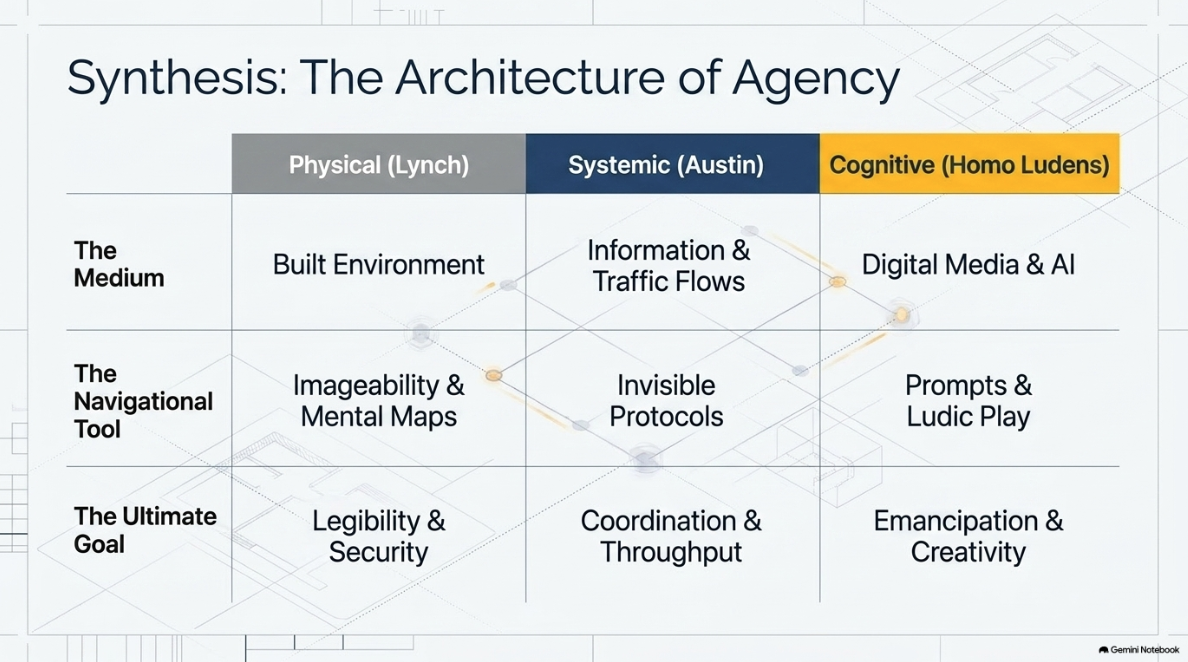
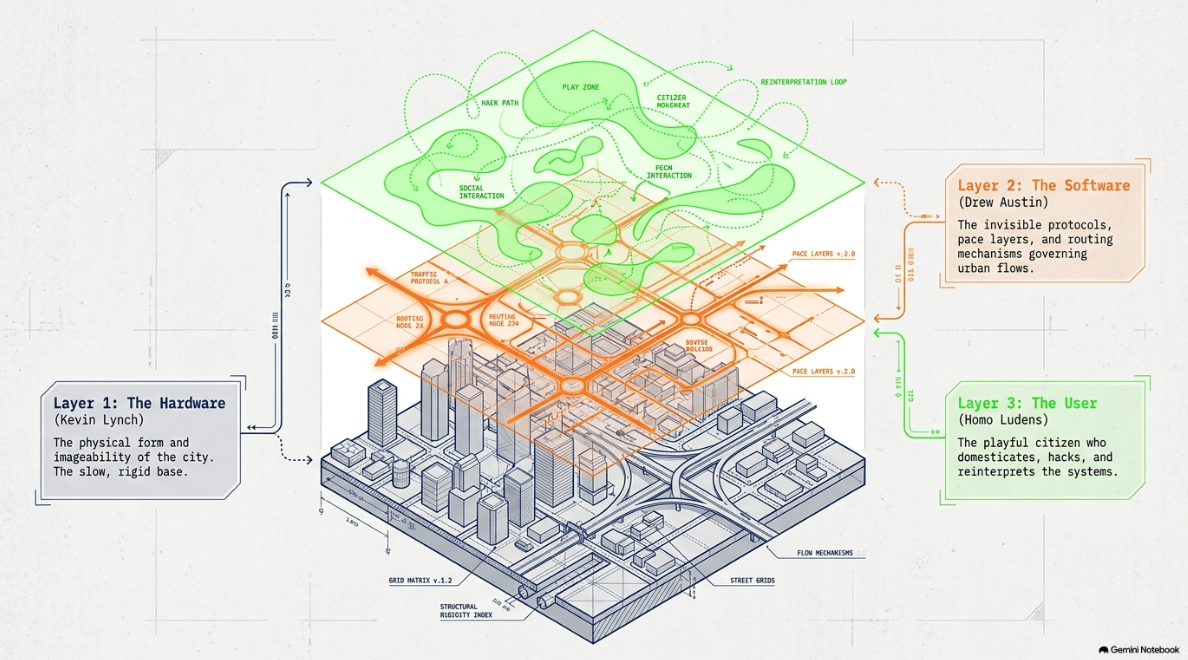
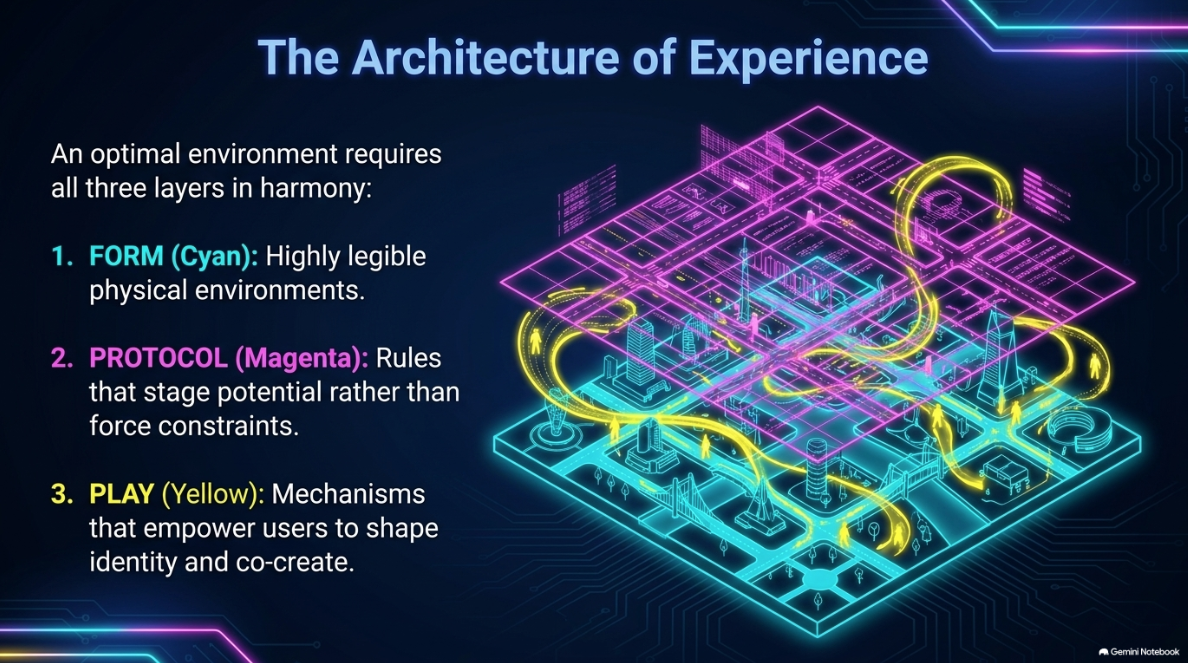
“These sources explore the intersection of urban design, digital media, and human identity, primarily focusing on how play and structured environments shape our perception of the world. Kevin Lynch introduces “imageability” to describe how clear physical layouts, such as paths and landmarks, help residents build mental maps and feel emotionally secure. Building on this, Valerie Frissen and others examine “Homo Ludens 2.0,” a concept where digital connectivity and gamification allow users to experiment with their identities within virtual landscapes. Drew Austin bridges these ideas by analysing protocols, like the urban street grid, which act as invisible “software” managing the tension between rigid infrastructure and fluid human behaviour. Together, the texts suggest that whether through physical architecture or digital platforms, the rules and forms governing our surroundings profoundly influence how we navigate, create, and relate to one another. Overcoming protocol failure or urban chaos requires a deeper understanding of these interactive systems and their impact on the human experience.”
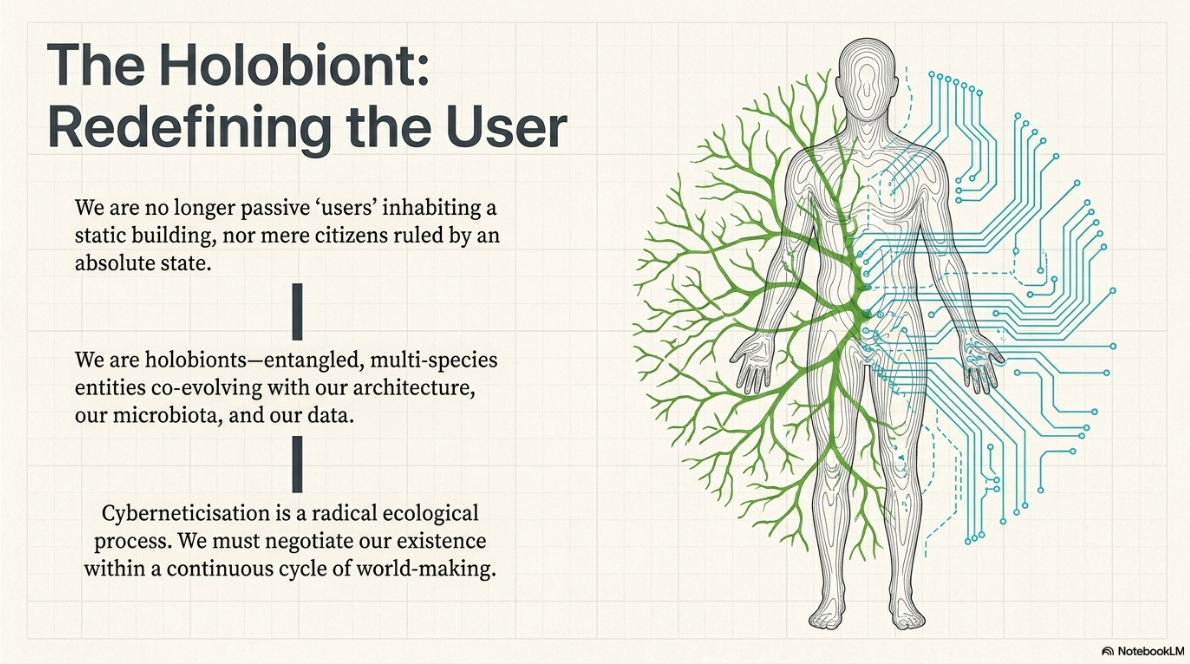
Gemini Notebook generated some very interesting reports, slides, visuals, and blog posts that I will share on this blog in the coming weeks. Below are some teasers.
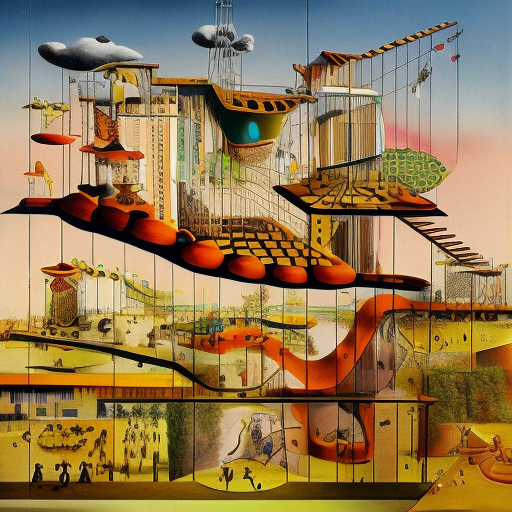
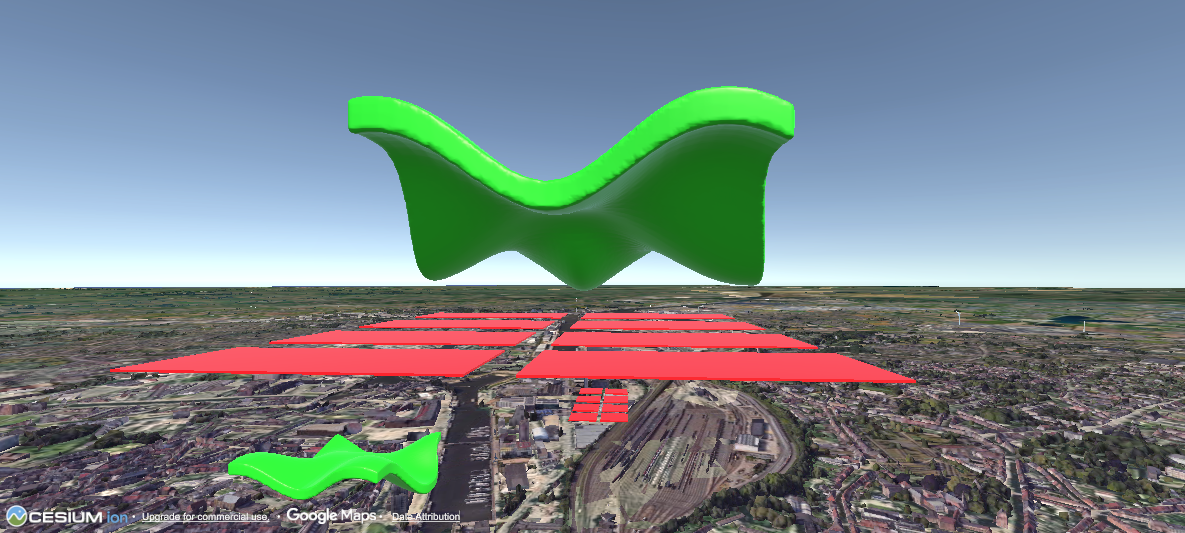
The idea here is to virtually create a layer – the city of play – above the city of Ghent (could be any city in the world). I am experimenting with the Cesium open platform for creating powerful 3D geospatial applications. Testing in both the Unity and Unreal Engines. The plan is for the layered city of play to be composed of self-sculpted shapes, created in Blender or Nomad Sculpt. Ideally with 3D audio on top, but that is a nice-to-have. An alternative would be to leverage the material of Spectracities.
If you think this is interesting and want to contribute to the project – in money or in kind – drop me a note. Feel free to comment. To stay updated, subscribe to the blog.
This is a repost of a LinkedIn article by Josie Gibson, summarizing a call about Art and AI with my cousin Joost, former senior curator at the Royal Museum of Fine Arts in Brussels. Joost is an expert in the paintings of the Old Masters, and he also serves as a Vice President of the UNESCO International Committee on the History of Art. He continues to lead groundbreaking collaborative projects like the Jordaens Van Dyck Panel Paintings art historical initiative.
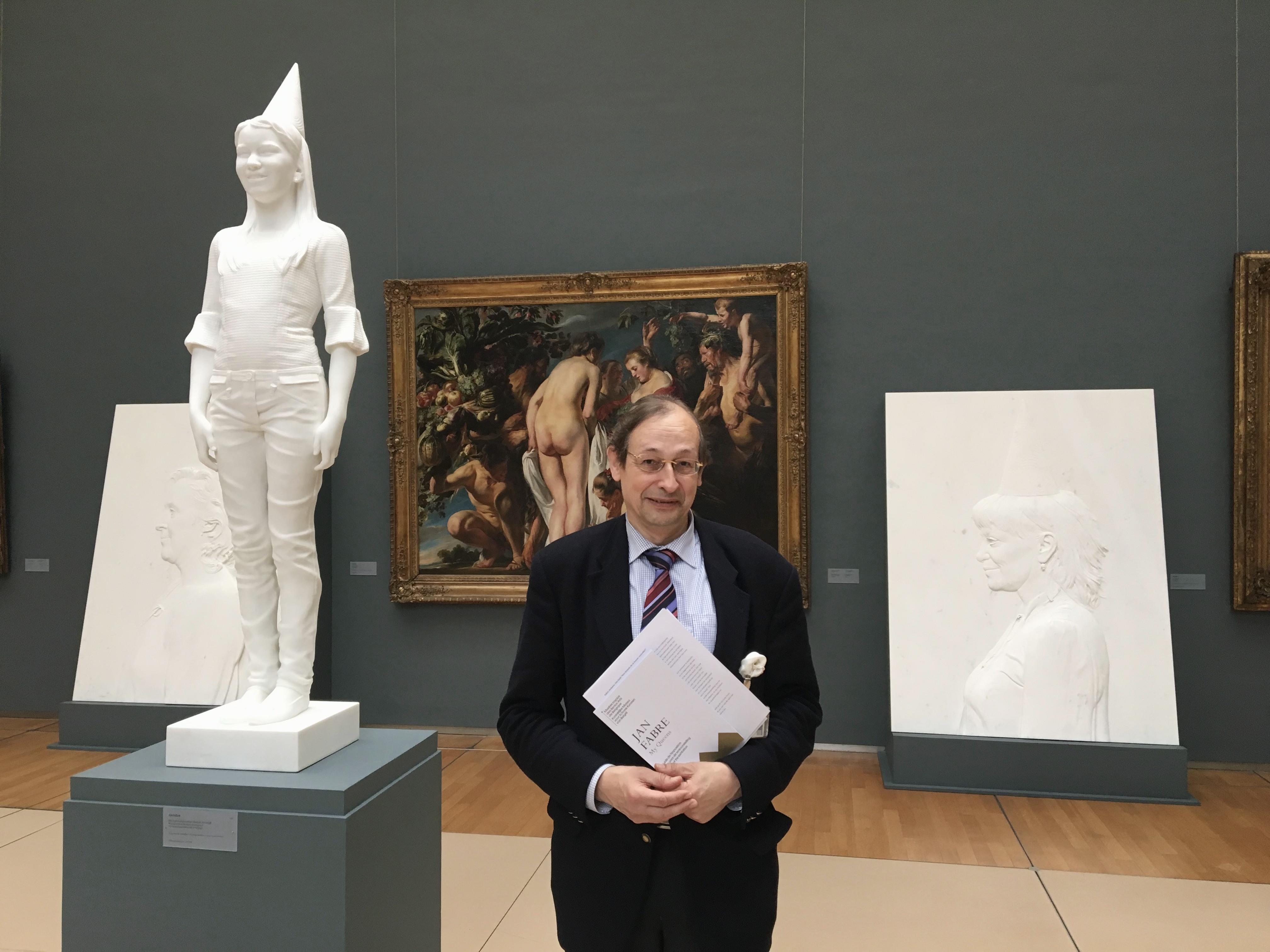
Joost in front of a Jordaens and Carrara marble bas-reliefs from Jan Fabre’s My Queens, an expo he curated for the Royal Museum of Fine Arts in Brussels in 2018
How do new tools and technologies shape how we see ourselves and create meaning? Art has long been at the jagged edge of adaptation, but with its velocity and reach, artificial intelligence (AI) is challenging art and art-making in new and unique ways, according to Joost Vander Auwera, leading art historian and cultural researcher.
In a riveting session of The Catalyst Network, we were treated to insights from live debates across the art world on issues such as provenance, ownership, authenticity, identity and ethics in the AI era.
Joost’s opening comment sums up where we find ourselves: ‘Art is at the centre of (these debates) because it focuses on the difference between AI and the human mind. It’s created, art… by a human being who knows mortality, life, memory, embodied experience and existential responsibility. This is something AI does not have.’
I was invited to share some of my experiments with creative tools, including AI, exploring how they have supported art-making and performance, as well as reflecting on the current limitations of these technologies.
Example of endlessly repeating audio/video installation by Petervan
Historical context matters. ‘Originality’ in the 17th century was very different to how we think about it today, Joost points out. Then it wasn’t uncommon for artists to create several versions of the same painting, and when they had a major painting in the studio, it might be reworked to adapt to a new style and market. ‘We have to not take what we see now,’ he cautions, ‘as being absolute in art.’
Art is at the forefront of society and social memory and evolves with the times, public tastes, and tools. There are, however, universal elements in how we experience art.
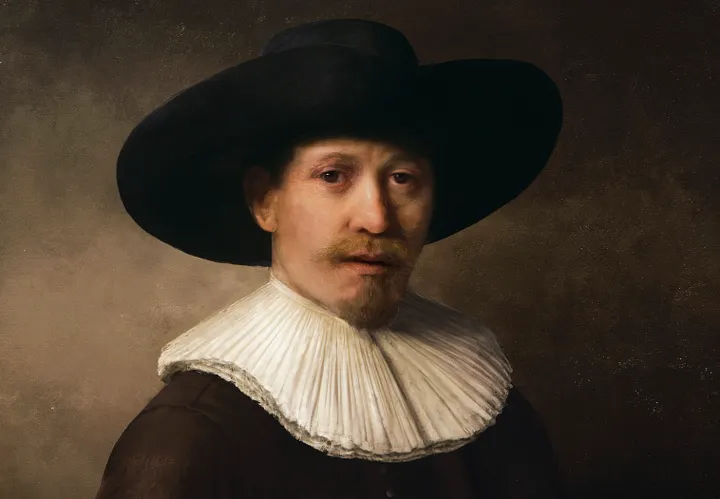
Joost recalled one early experiment where all Rembrandt’s paintings were loaded into an AI application to produce a ‘new’ Rembrandt. ‘The painting they created had all the stylistic aspects of Rembrandt, for sure, but it is a boring painting.’ He pointed out the AI Rembrandt was the common denominator of the previous paintings of Rembrandt, the opposite of what Rembrandt does: more with less. So, a real Rembrandt is ‘more with less’, and AI is ‘less with more’.
The Next Rembrandt – created by AI in 2011
These artists mastered the techniques then went beyond, capturing an essence of human experience that’s currently beyond the reach of AI.
That said, AI is making quantum leaps, and Joost highlighted the need for (human) critical thinking to combat the shadow sides of technology. A brilliant conversation on how we create collective memories and why it matters.
Original text by Josie Gibson, slightly adapted and complemented by some images by Petervan
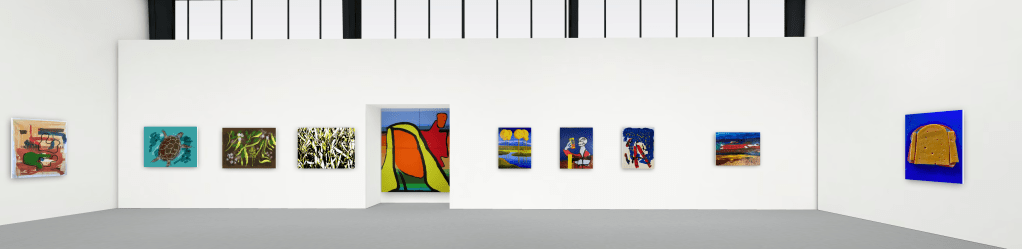
I am delighted to announce the opening of my second virtual exhibition, featuring a selection of physical and digital works created between 2023 and 2026. The exhibition will be on view from 1 June to 30 August 2026.
+++ UPDATE: The exhibition is now closed +++
Click on the image below to enter the exhibition on the Kunstmatrix platform. The 3D gallery can be explored on PC, Mac, tablet, or mobile device. Upon entering, you will find a brief introduction with navigation instructions to help you get started.
The exhibition includes several interactive features, such as the ability to generate an online or PDF catalogue and an augmented reality tool that allows visitors to preview artworks on a wall in their own space.
Digital and acrylic paintings are available as high-quality prints in a variety of formats, with paper finishes, mounting options, and custom framing. Original canvas works can be shipped internationally. Video installations are also available and can be adapted to suit specific exhibition or presentation environments.
If a particular artwork interests you, you can contact me directly via the email icon in the artwork’s detailed view.
And one final suggestion: turn the sound on for the full experience.
My sincere thanks to the Kunstmatrix team for their outstanding support in making this exhibition possible.
Short trailer for my video installation “Clothesline”. A call for attention to the non-event and slowness.
The installation runs peacefully at a human heartbeat speed of 60 BPM. Based on a static video of a clothesline in the wind. Repetitive ambient soundscape in Ableton Live, combined with Videosync transformations. Installation produces endless random video and audio output. No AI.
I got inspired by David Claerbout’s quote about “Against Strong Images”:
“I notice that when people discuss my work, they often talk about ‘strong images. But that is not what I do. I choose weak images. These are images without voice, without date, without event, without place – situations that can’t be easily communicated. This puts me in the camp of the longue durée. In that camp, that reservation, sit all the losers of history. It is where the non-event lives.” – David Claerbout
The clothesline in the wind is such a non-event.
For galleries and venues: the installation only requires a Mac or a Windows 11 PC (with Ableton Live and Videosync installed) and an HDMI connection to a TV Screen with audio. Less is more.
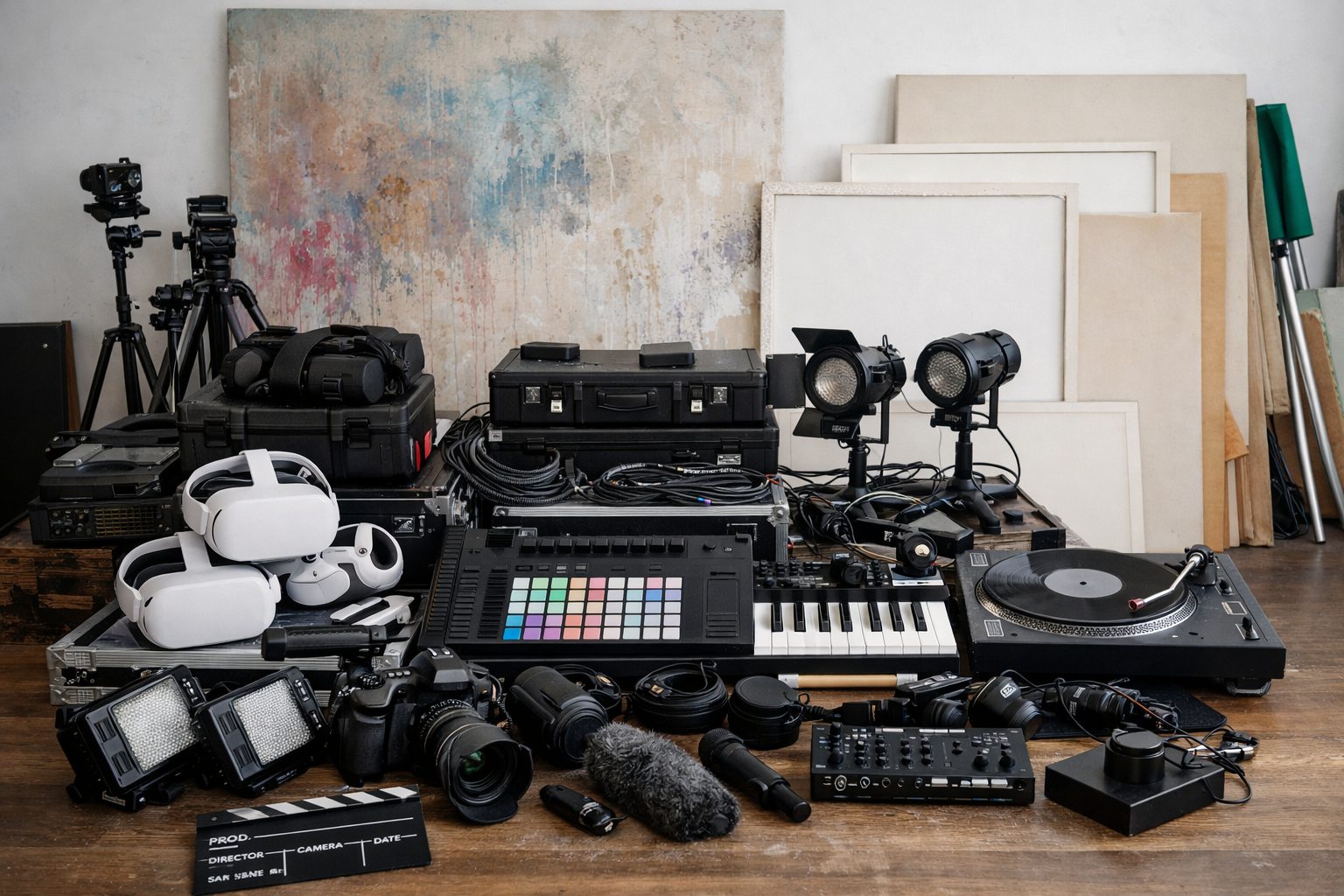
It’s been a while. Some of you have written, others have probably assumed I disappeared into one of my own unfinished experiments. For years, my studio was a place of images, projections, strange XR environments, and long nights chasing ideas that rarely behaved. But somewhere along the way—perhaps during retirement, perhaps during one of those quiet afternoons where nothing quite compels you anymore—I found myself tired of it all. Not of thinking, not of making, but of making that kind of work. So I did something else. I dismantled the studio.
The dismantling of the studio
The cameras, the rigs, the VR headsets, the motion trackers—they all went into storage. In their place, I began assembling something far less poetic and far more absurd: a machine designed to fish. Not just any machine. A humanoid.
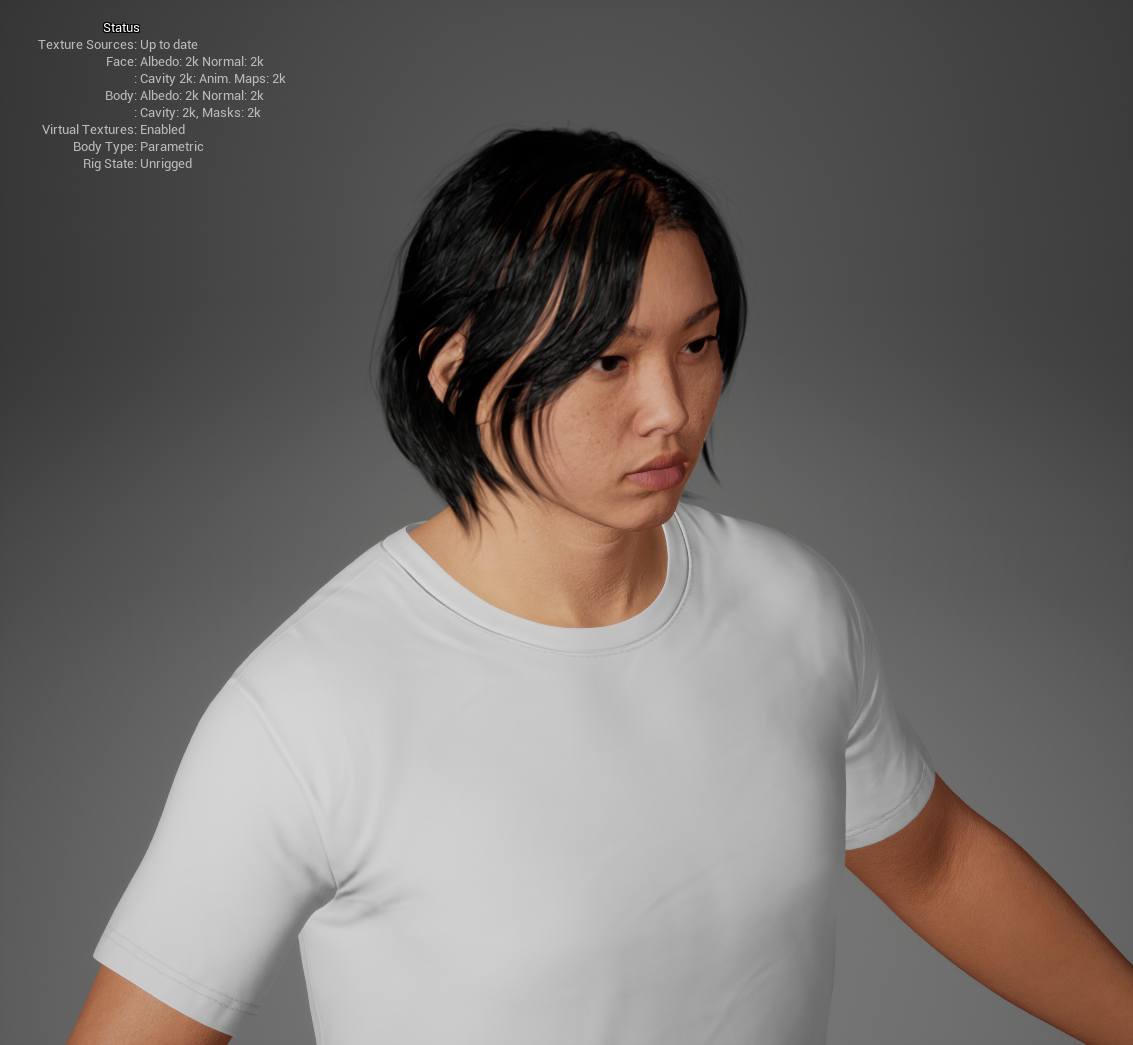
Early versions of the humanoid in Metahumans Unreal Engine
From Art Studio to Autonomous Fisher
The idea didn’t come all at once. It started with a simple irritation: I missed fishing, but not the waiting, not the cold, and certainly not the unpredictability of the Belgian weather. I wanted the experience without the inconvenience. I wanted presence without being present.
So I asked myself a question that feels obvious in hindsight: what if fishing could be performed remotely, intelligently, and continuously? That question became a project.
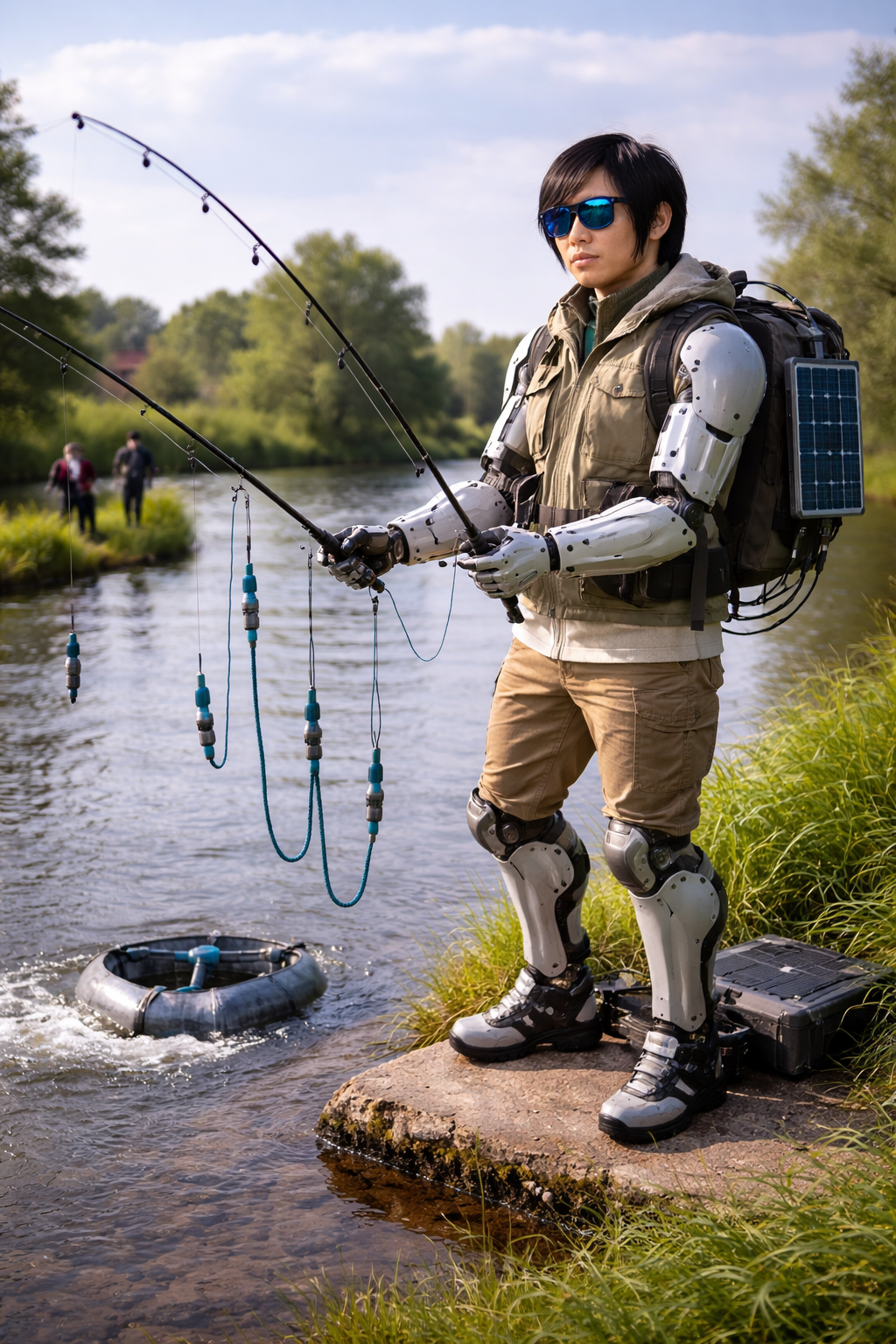
At the center of it all is a humanoid robot—roughly my height, vaguely my posture, though considerably more patient. Its frame is industrial aluminum and composite joints, designed for stability on uneven riverbanks. It stands, day and night, along the Dender river, unmoving until needed, like a quiet sentinel disguised as a fisherman.
Its brain is not singular. Instead, it runs on a cluster of four Mac Minis, mounted in a sealed, weatherproof compartment within its backpack. Overkill? Perhaps. But the redundancy allows for parallel processing: environmental analysis, motor control, bait synthesis, and remote communication all run simultaneously without latency.
The backpack with the Mac-Mini Tower
The system itself was developed with the help of Claude AI, which I used more as a collaborator than as a tool. Together, we iterated on decision trees, adaptive learning models, and behavioral responses. Over time, the robot stopped behaving like a programmed device and began acting more like a cautious, observant angler.
Energy Without Interruption
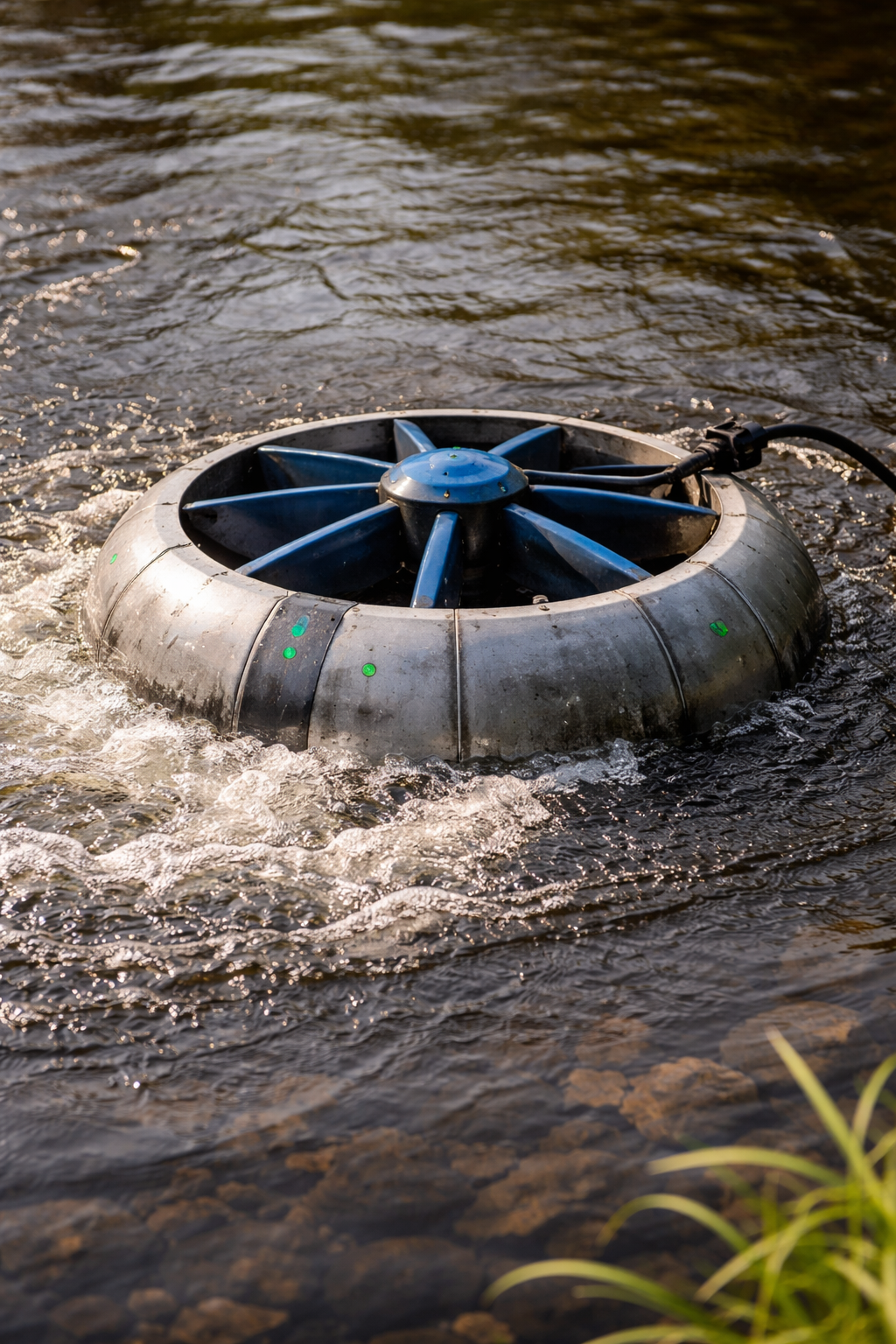
One of the early challenges was power. A machine that fishes continuously cannot depend on a wall outlet. The solution was hybrid and, admittedly, a bit romantic: solar panels combined with a micro water turbine anchored directly in the river. During the day, the panels provide ample energy, while the turbine ensures baseline power during nights and overcast stretches—which, in Flanders, is most of the year.
The micro water turbine
The result is a system that is almost entirely self-sufficient. It wakes, observes, calculates, and acts without requiring human intervention. I sometimes forget it’s out there until I log in and see what it has been doing.
Fishing From Home
Yes, you can control it remotely. That was always part of the vision: fishing without being physically present. From my desk—or, more often, my kitchen—I can connect to the humanoid’s interface and take over its movements. There’s a slight delay, but nothing that breaks the illusion. You see through its cameras. You feel (in a limited, haptic sense) the tension in the line. You decide when to cast, when to reel, when to wait. But here’s the strange part: I rarely do. Because the robot is better at it than I am.
Intelligent Bait Synthesis
This is where things begin to feel less like engineering and more like alchemy. The humanoid doesn’t just use pre-made bait. It creates its own.
Equipped with a compact mixing system—part chemistry lab, part kitchen—it analyzes environmental data and determines the optimal bait composition for specific fish species in the Dender River. It considers water temperature, turbidity, recent rainfall, seasonal migration patterns, and even subtle chemical traces in the water.
Then it mixes. Proteins, oils, plant matter, scent compounds—each combination slightly different from the last. Over time, it has developed a library of successful mixtures, continuously refining them through feedback loops. Success is measured not just by catches, but by which fish are caught, at what time, and under which conditions.
I once tried one of its recommended mixes myself. It smelled terrible. It worked perfectly.
Tentacles Instead of Lines
Traditional fishing lines felt insufficient for what I wanted this system to achieve.
So we replaced them.
A relatively complete set-up
Extending from the humanoid’s arms are flexible, twisted appendages—something between cables and tentacles. Each one houses a network of sensors capable of detecting micro-changes in water pressure, temperature gradients, chemical composition, and movement patterns.
They don’t just wait passively. They explore. These tentacles can subtly reposition themselves, probing different depths and currents simultaneously. They gather data constantly, feeding it back into the system, allowing the AI to make real-time decisions about where to focus effort.
It’s less like fishing and more like listening to the river.
The Competition
I hadn’t planned to enter any competitions. In fact, the idea seemed almost unfair. Pitting a continuously learning, sensor-rich humanoid system against traditional anglers felt like entering a calculator into a mental arithmetic contest. But curiosity got the better of me.
The international fishing competition on the Dender river is, under normal circumstances, a quiet affair—serious participants, careful techniques, and a shared respect for patience. When the humanoid arrived, it attracted attention, then skepticism, and eventually mild irritation.
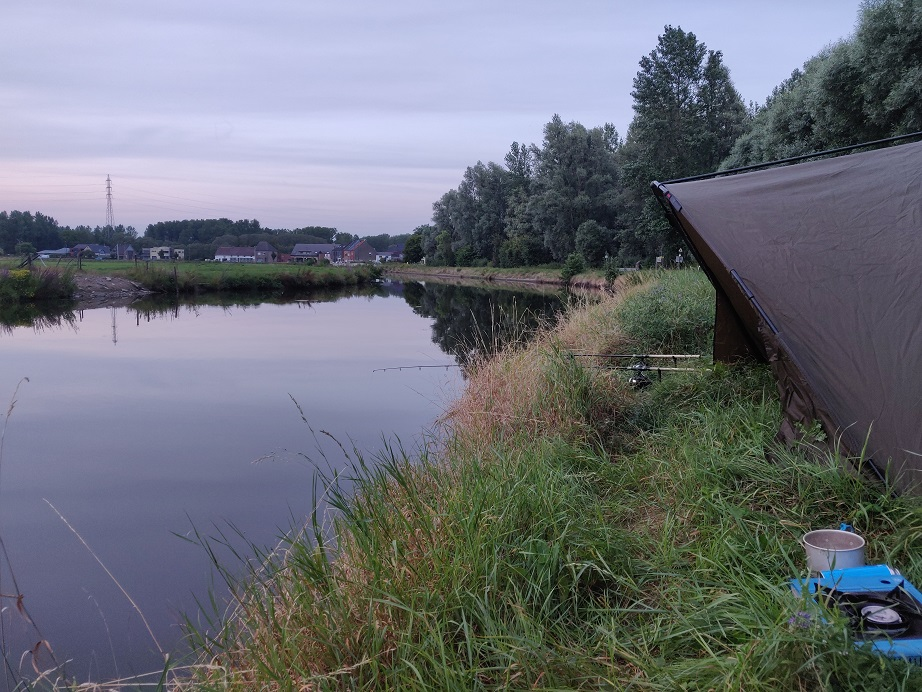
The quiet location for the competition
It stood there, unmoving, as others prepared their gear. And then it began. Over the course of the competition, the robot adjusted constantly. It shifted positions, altered bait compositions, and fine-tuned its approach based on conditions that changed hour by hour. While human participants relied on experience, intuition, and occasional luck, the humanoid relied on continuous analysis.
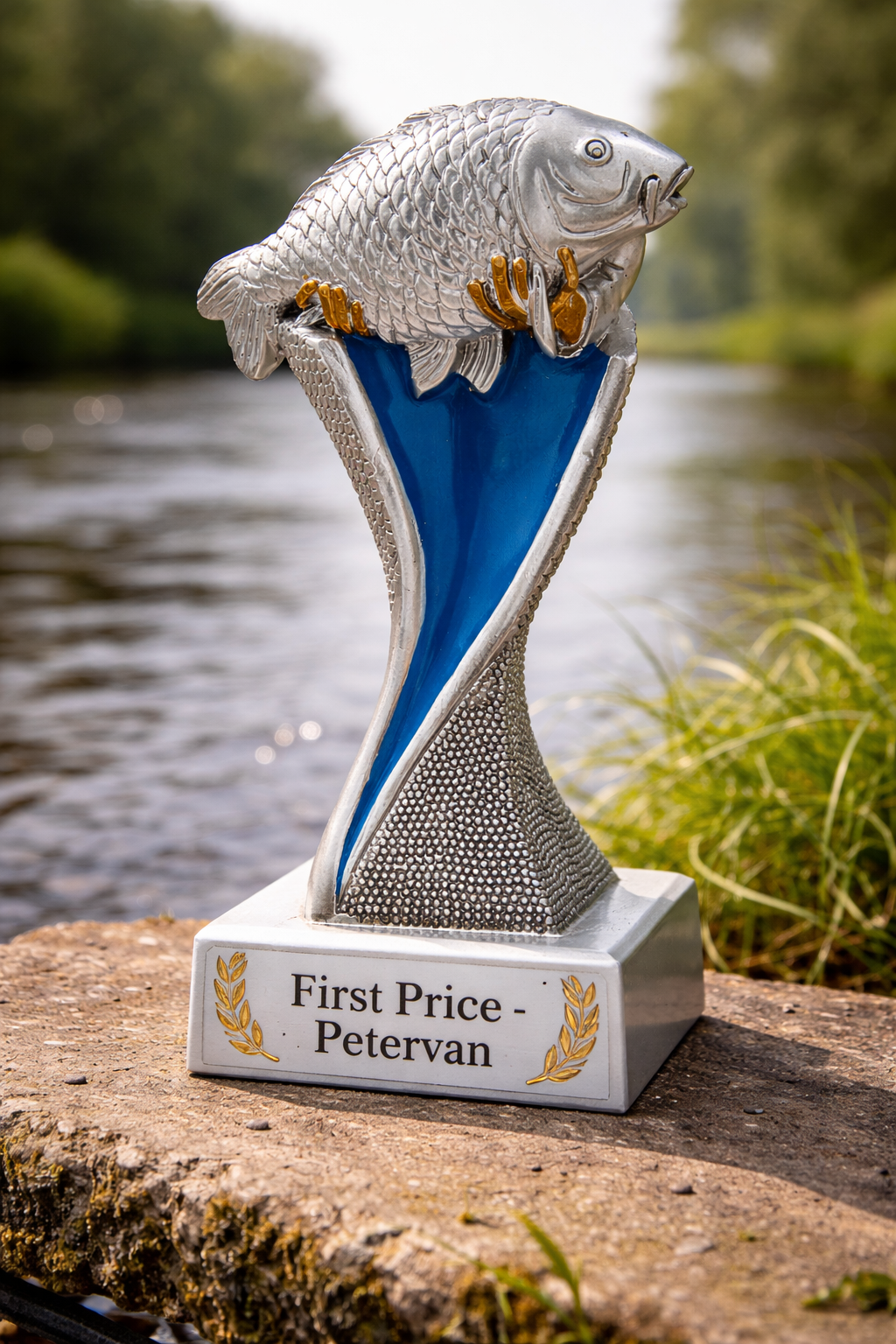
By the end, the results were undeniable. It didn’t just win—it dominated. First prize.
The Award
What This Actually Means
I’ve been asked whether this is still fishing. It’s a fair question. There is something inherently human about sitting by water, waiting, thinking, doing very little. This machine removes much of that. It replaces stillness with computation, patience with optimization. And yet, I find myself more connected to the process than before.
Not because I am physically present, but because I have built something that observes more deeply than I ever could. It notices patterns I would miss. It reacts faster than I could. It learns in ways that feel both mechanical and strangely intuitive. This is not a replacement for fishing. It is a transformation of it.
What Comes Next
The humanoid still stands by the Dender. It continues to learn. I continue to watch. Sometimes I take control, just to remember what it feels like. Most of the time, I let it do what it does best. I didn’t expect retirement to lead me here—to a machine that fishes better than I ever did, powered by sun and water, thinking with the help of artificial intelligence.
But then again, I didn’t expect to stop making art either. Perhaps I didn’t. Perhaps this is just another form of it.
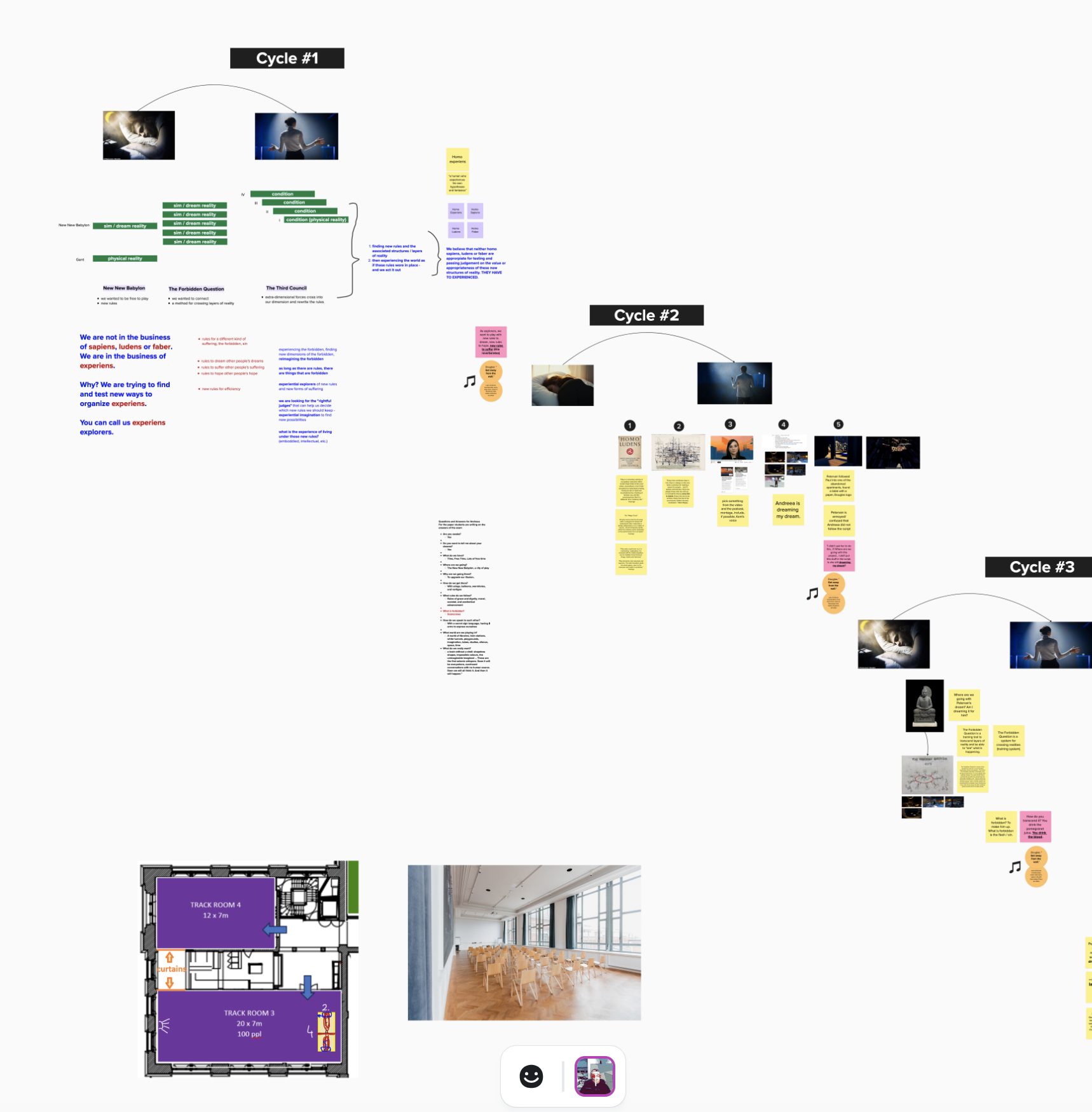
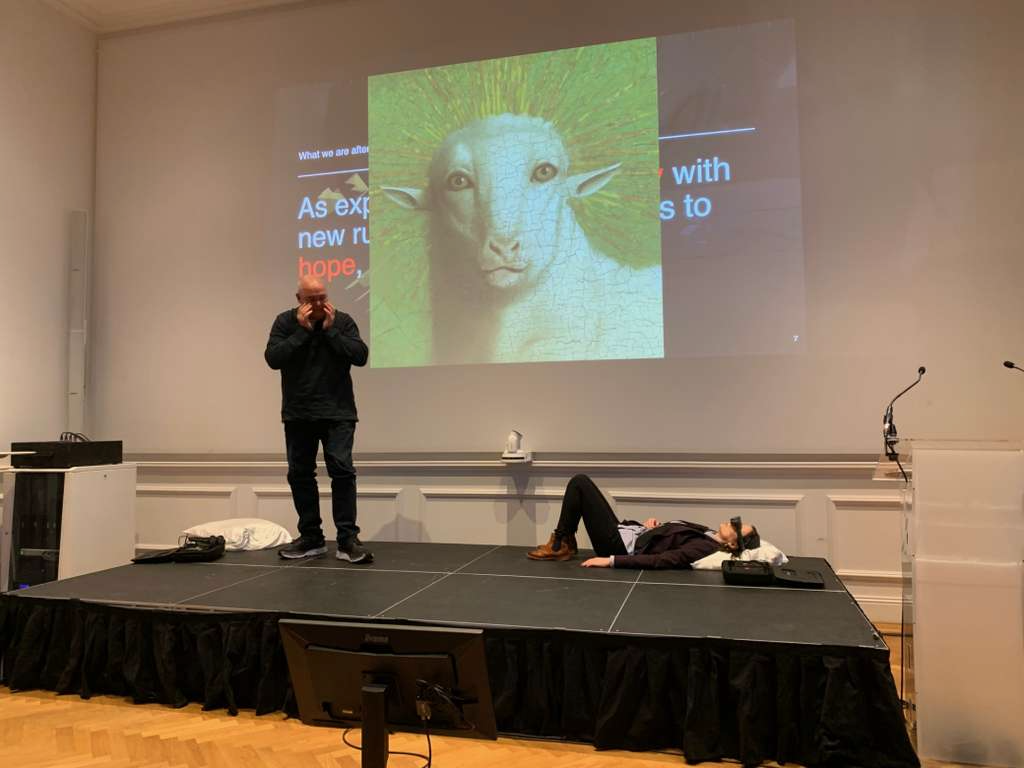
On 9 Dec 2025, Andreea and I gave a “talk” about our journey and lessons learned in creating The Forbidden Question. Rather than a talk, it was a performance about the performance. The talk also includes a speaking lamb from Van Eyck’s famous 1432 Ghent Altarpiece. See the lamb in the video of our talk below. At the end, you will also see a strange character running away with the stolen 12th panel of the Altarpiece.
With this piece, we are proposing a choreographed yet spontaneous play between multiple dreams and dreamers. All the actors on stage come from the audience except one: Paul. An Eastern European architect who moved to Brussels in hopes of one day building the city of the future, he has fallen asleep with his shoes on after a long day of waiting tables. This is the moment our universe is born. As participants are encouraged to chase connection and fulfillment, our cosmology cycles their souls and dreams through several layers of reality. The more assiduous the search, the more wondrous and intense the connections they make, the more oblivious and unrelenting the fleeting and cyclical nature of the game becomes. The “forbidden question” in the title is the question no one will ever find an answer to: Whose dream is this? Are my desires really mine? Am I even able to stop wanting?
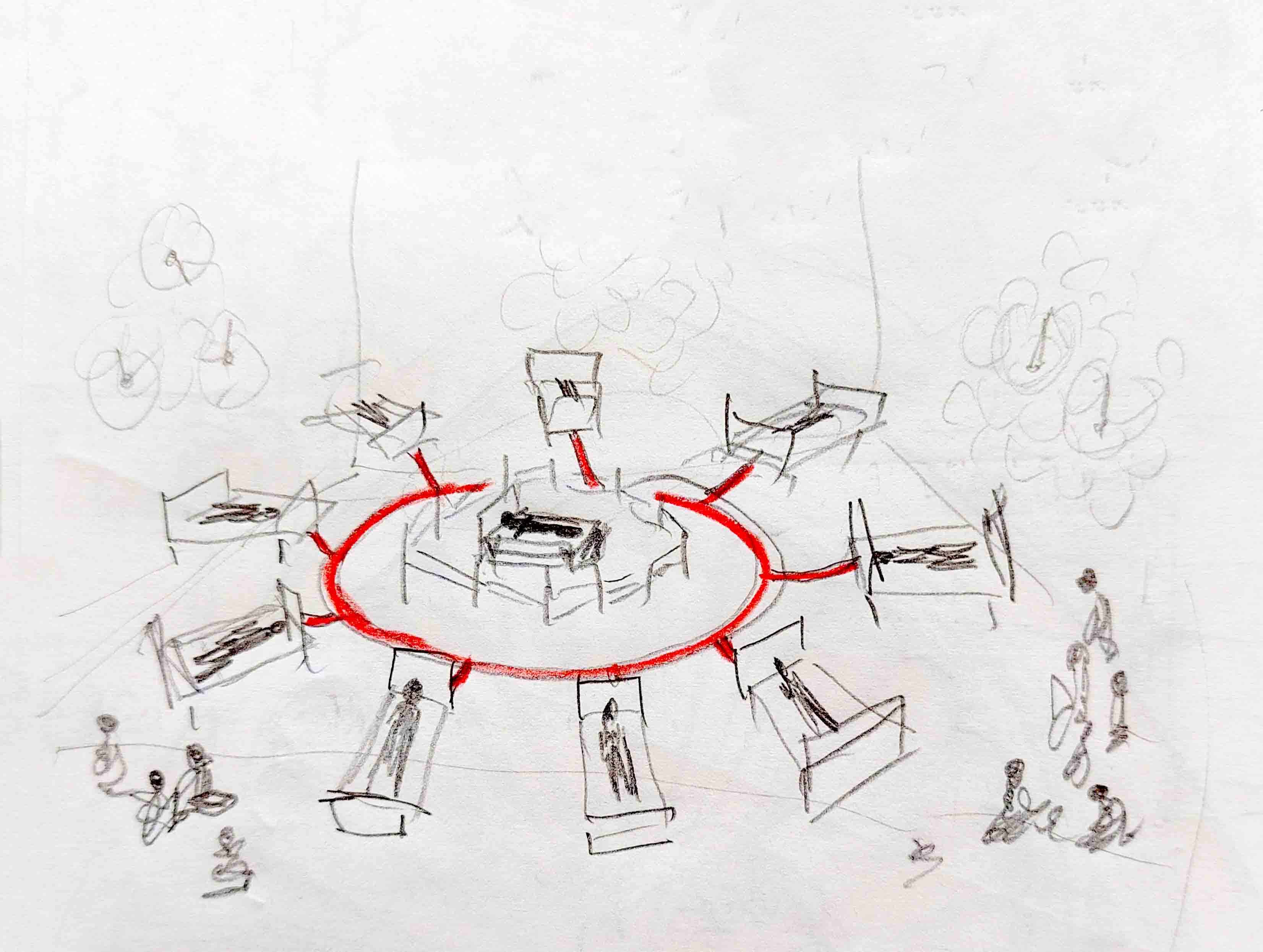
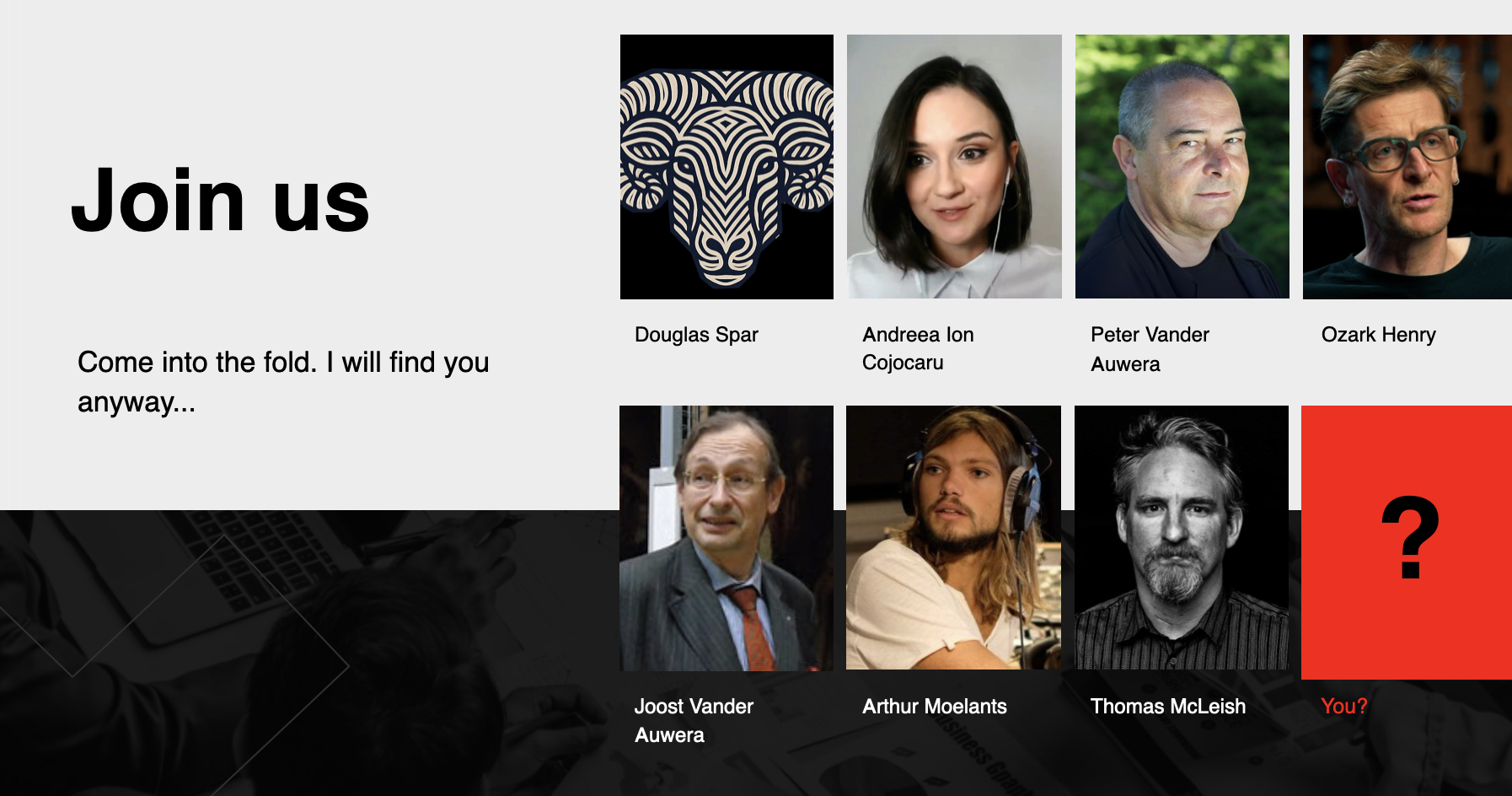
The room is set up with nine physical beds (8 for the audience encircling the one bed for Paul). The performance is designed for a full 360° experience (visuals, audio, tracking), and we work with award-winning 3D artist Ozark Henry, award-winning cinematographer and DoP Arthur Moelants, and award-winning maker Thomas Mc Leish.
I would like to give some background on this project, a sort of making-of. The project started as the New New Babylon performance, at that time designed for a speaker on stage wearing a VR headset, and the audience seeing the VR rendering on a big screen behind the speaker. Here is a very, very early version of the tower of the New New Babylon:
Then, we pivoted to a version called “Dream my Dream”
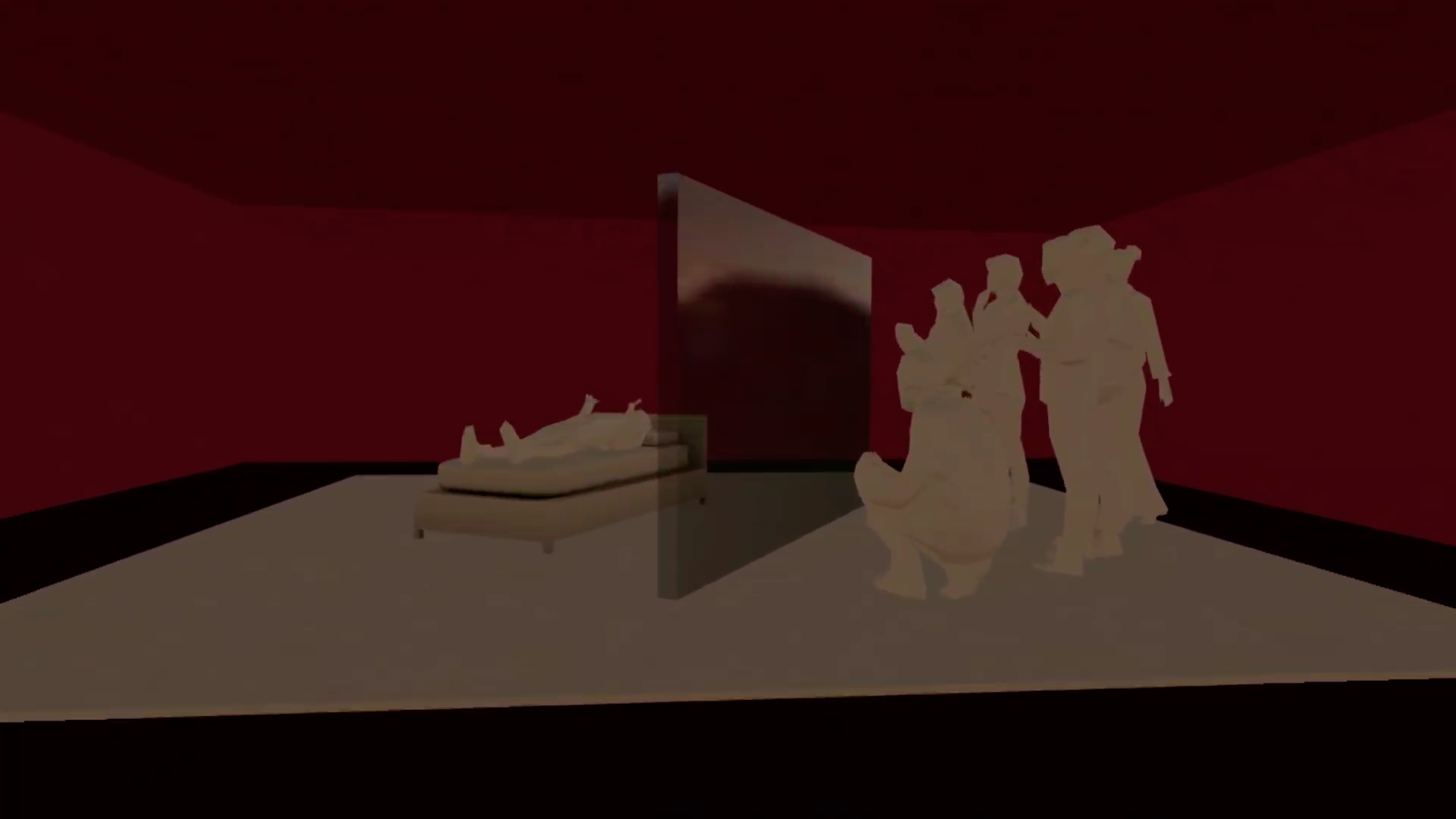
This time, the audience would witness a sleeping performer with a VR headset, and follow the dream through some sort of transparent screen:
Mock-up of the viewing room – created in Space Elevator
After submitting our project to both the Venice Biennale College Cinema and the Cannes Immersive 2025 competition, without being selected, we took the opportunity to critically reevaluate the core premises of the performance.
Then, as part of my end-project for the Howest course XR in Industry, we created a very early version of The Forbidden Question, which began with the story of an Eastern European waiter and the concept of central and surrounding beds. The video below is an early MVP of what we had in mind.
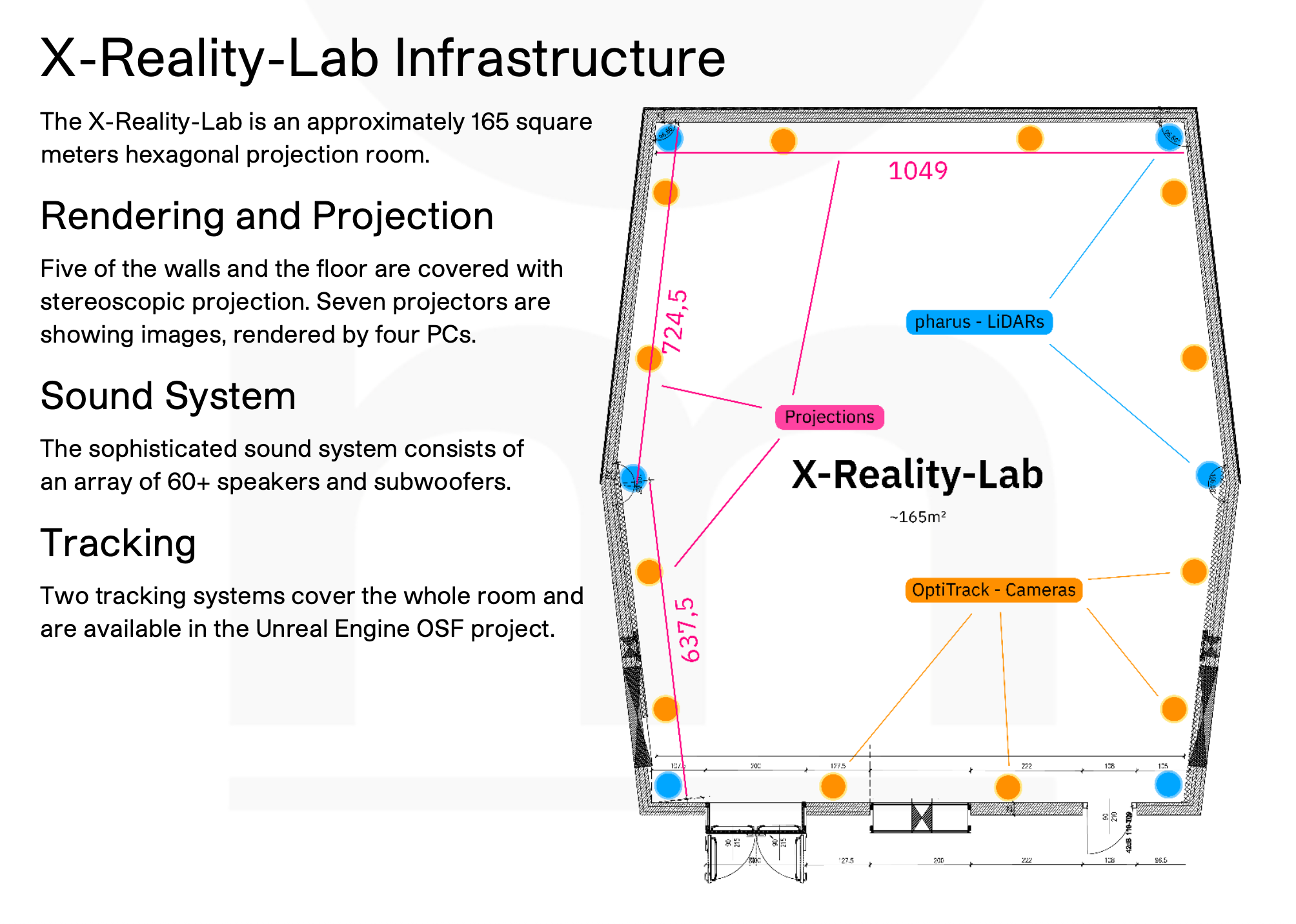
During this period of reassessment, Andreea came across an open call for immersive projects at the Salzburg Mozarteum X-Reality Lab. Salzburg is currently developing a state-of-the-art 360° immersive venue featuring stereoscopic projection, a 60+ channel spatial audio system, and integrated LiDAR and high-definition camera infrastructure. The lab was seeking artistic performances for the venue’s inaugural program, scheduled for March 2026.
High-level sketch of the X-Reality-Lab in Salzburg
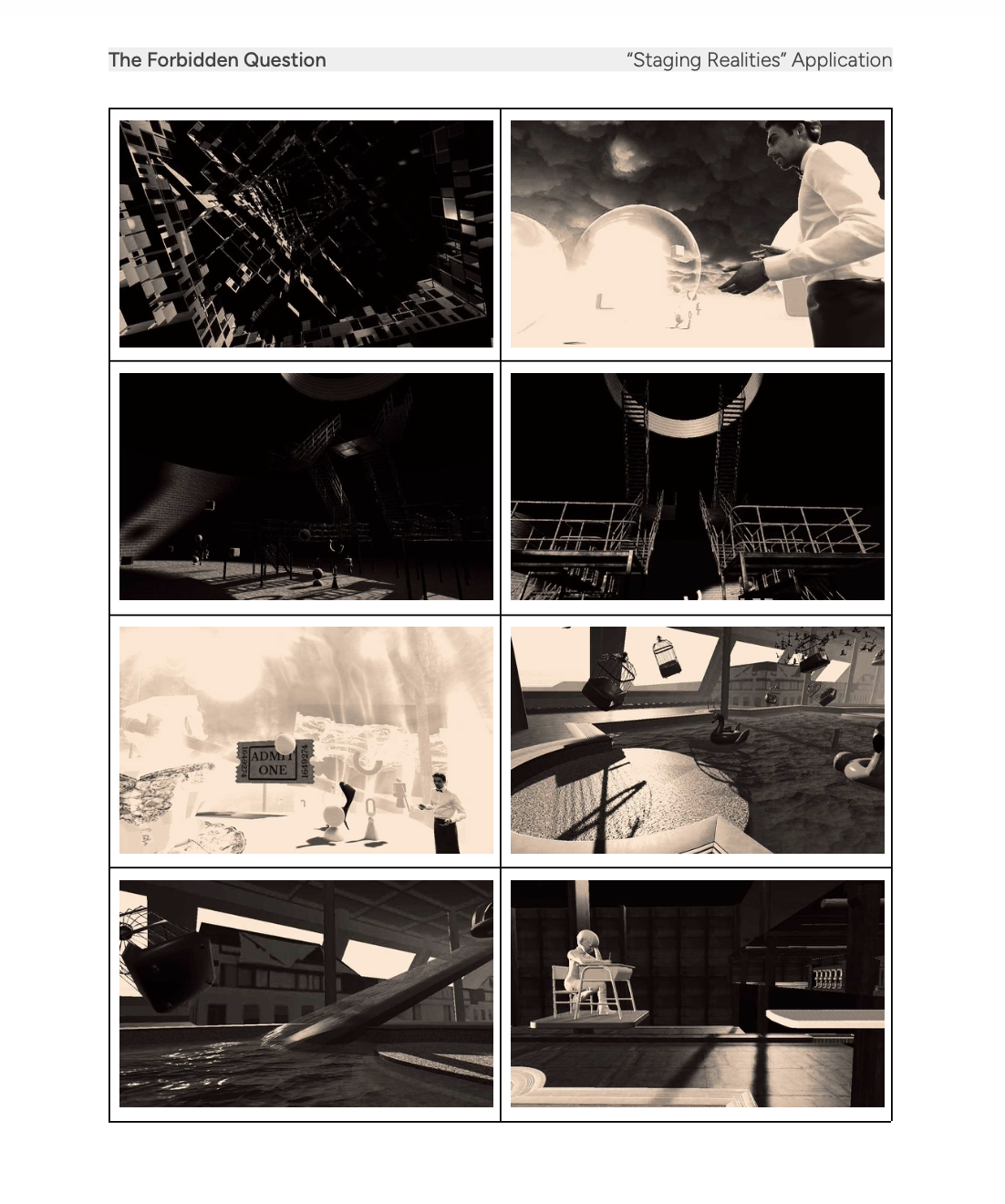
For this project, we completely re-wrote the performance into an XR “game of life” unfolding across multiple realities, with both an actor and the audience as performers. From its earliest concept through multiple iterations, the project transformed from a one-person headset performance into an immersive XR experience designed for stereoscopic projection, 3D tracking, and 360° spatial sound. Here is an extract from our submission document. The biggest change was to move the whole New New Babylon narrative from the foreground to the background, and to let the audience experience crossing realities (from dream reality to awake-reality). We made it to the shortlist (out of 150 international candidates), but did not get selected in the end.
Extract from our treatment of the performance for Salzburg
In preparation for our talk at UnitedXR, Andreea and I had many online sessions on the mood and conceptual flow of our presentation (Mural extract below). We wanted to present a coherent journey from New New Babylon to The Forbidden Question to The Third Council.
Mural brainstorm for UnitedXR presentation
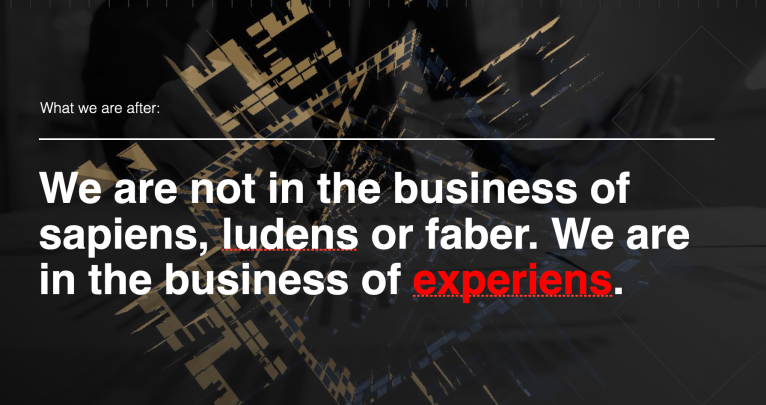
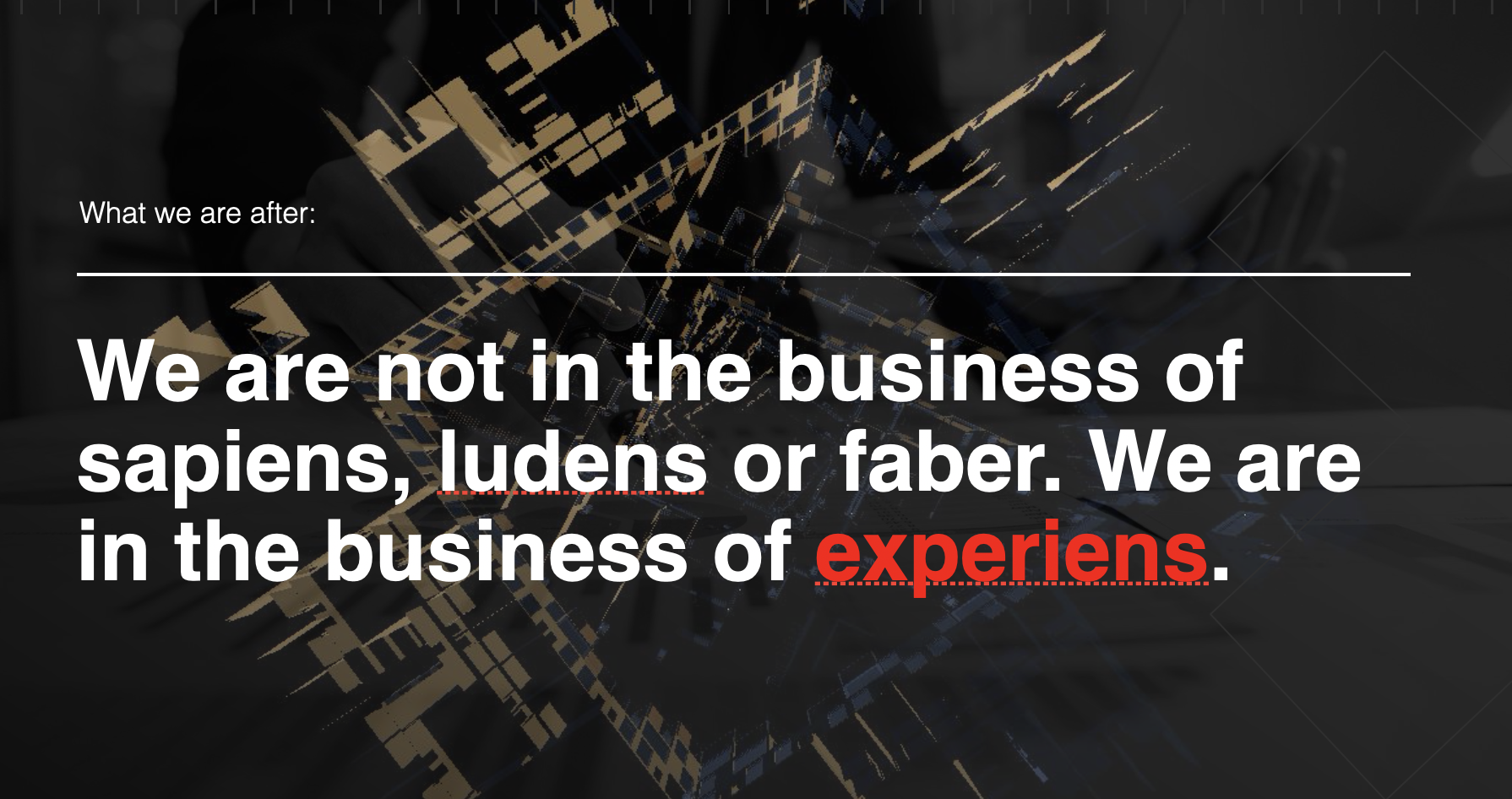
An aha moment emerged during these sessions: neither Homo sapiens, ludens, nor faber is capable of evaluating the validity of these new structures of reality. Their meaning cannot be assessed intellectually—they must be experienced.
Hence Homo Experiens. With an “s” to differentiate from the words “Narrative” and “Experience” that have become catch-all words.
The Forbidden Question teamPicture from the crime scene at UnitedXR on 9 Dec 2025
Kent Bye, who runs the Voices of VR Podcast, was in the room, and he invited us for an interview right after (quite an honor, if you ask me). As soon as the interview is published, the link will be added to this post.
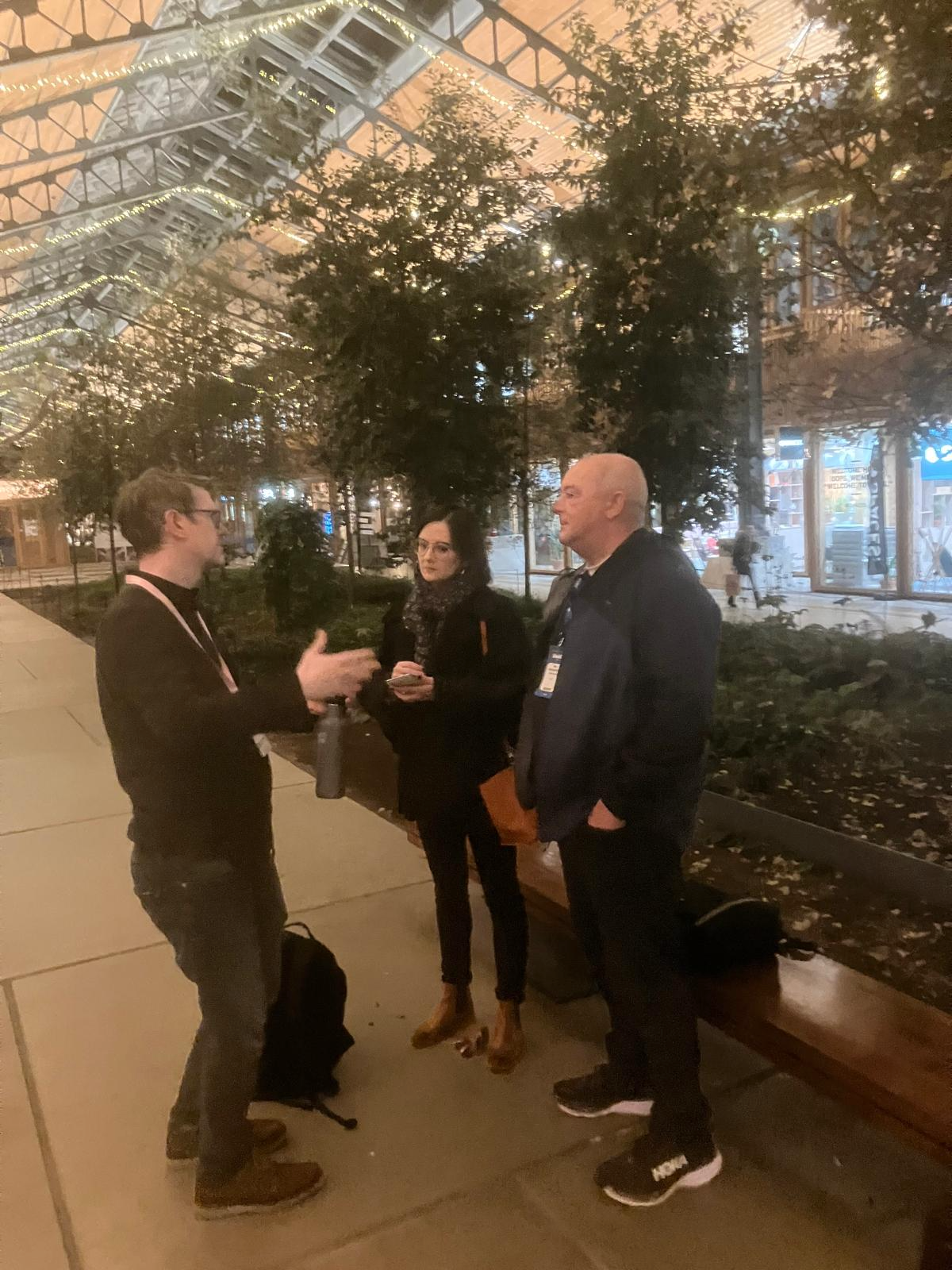
Post interview picture. From left to right: Kent Bye, Andreea, Petervan. Picture by Joost.
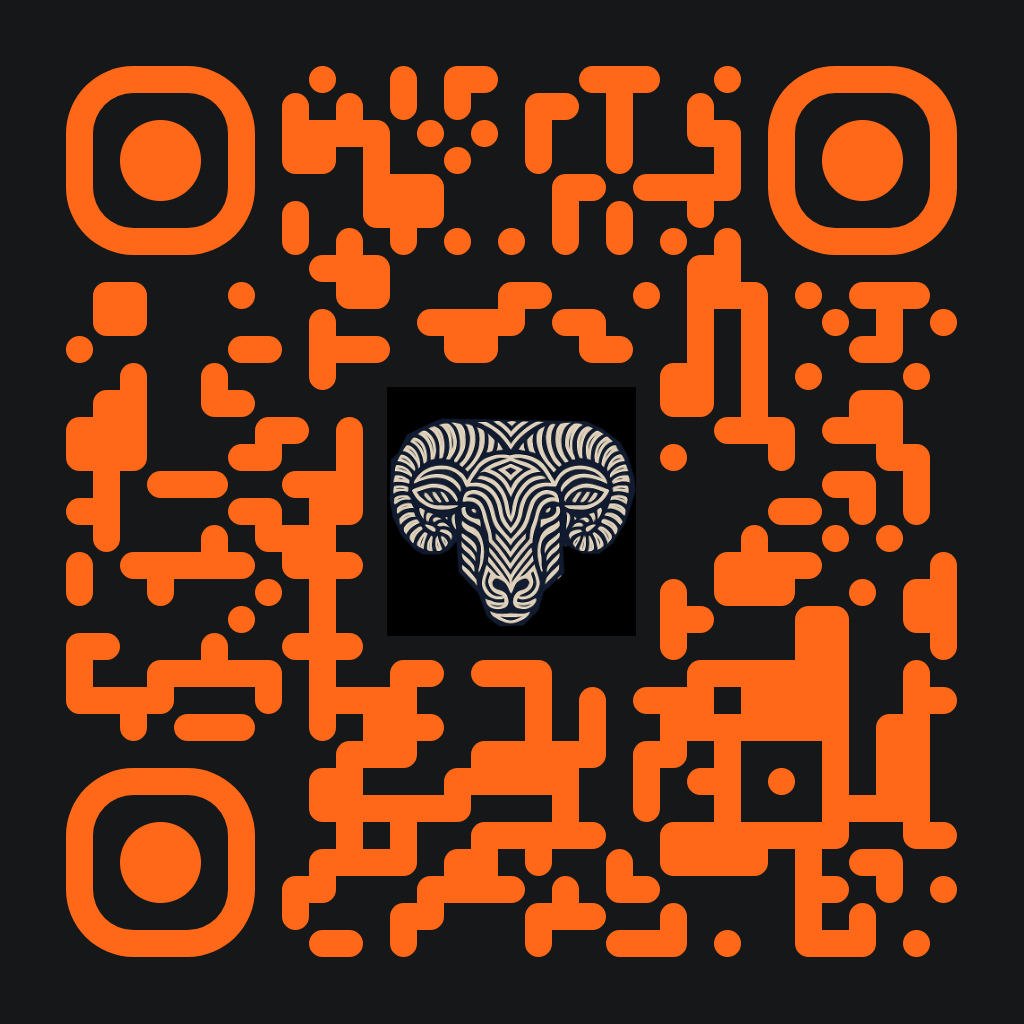
Use the barcode above to follow the discoveries of Douglas Spar (aka The Holy Lamb). Doug is the one investigating The Third Council. And “The Forbidden Question” is now positioned as a training protocol for crossing realities and the main priority of our team right now.
We are now complementing the team with technology partners to build a pop-up 360 infrastructure for artistic performances. We are contacting immersive spaces to be on their program. We also consider a subsidy for a technology prototype for this immersive performance.
May the lamb be with you in 2026!
With deep gratitude to Andreea, TJ, Arthur, Joost, and Ozark for staying motivated during this whole process. And thanks to UnitedXR for having us.
As promised in that post, the most compelling part of the book appears in its opening chapters, where he introduces “The Orphic Experience.”
The short summary is in the video below, from 0:59 to 2:23. The latter part of the video is about the three key elements of dub-techno: spontaneous repetition, atmosphere, and embracing noise.
TL;DR: The orphic experience uses music to alter perception, evoke deep emotions, and influence the listener’s state of mind. It creates a unique space and time for introspection and reflection.
Let me unpack this in stages: first the “orphic” aspect, then the “experience” element, and finally a synthesis.
Orphic
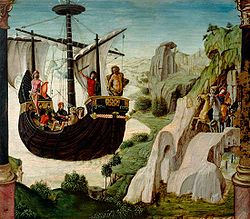
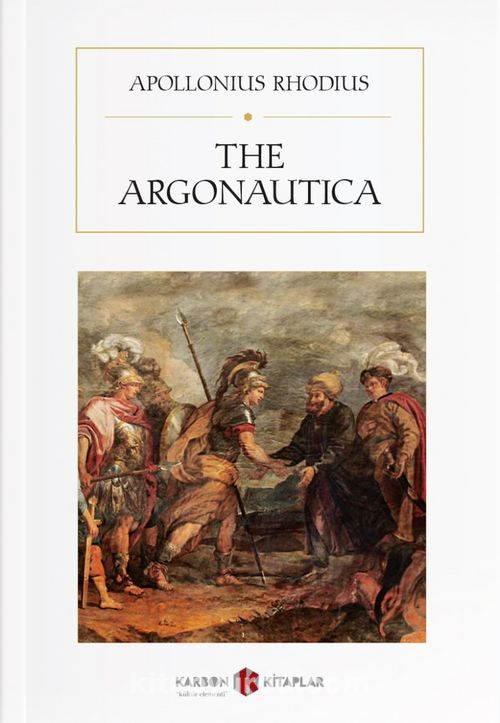
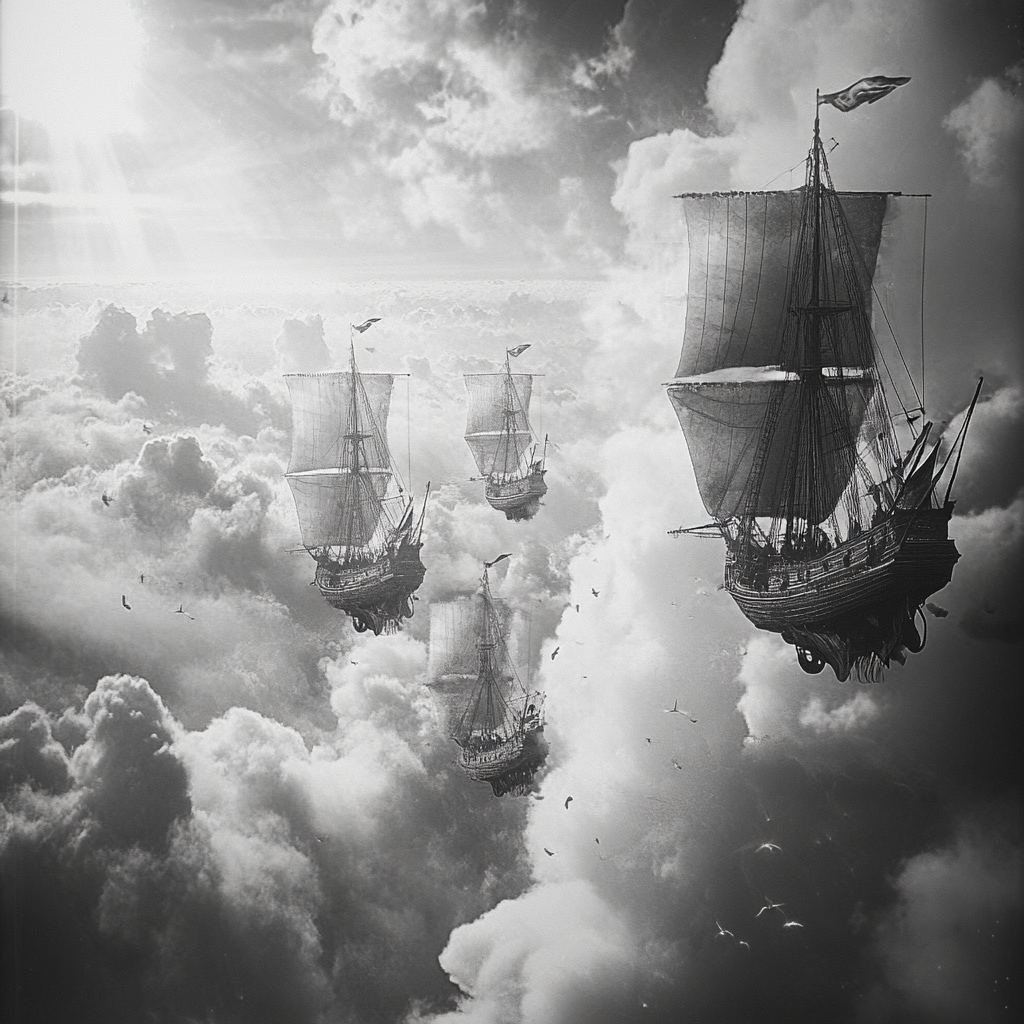
The “orphic” part originates from Orpheus, a character in the ancient Greek poem Argonautica, dating back to the 3rd century BC. The Argonauts are travellers on the boat Argo and are on a quest for the golden fleece. Somewhere along the route, sirens are trying to seduce the boatsmen. Still, Orpheus – a talented singer/musician on the boat – can shield the boatsmen from the Sirens’ temptations through his celestial, beautiful songs and voice. In other words, he was a noise canceller avant la lettre.
Some salient quotes from Bahadırhan Koçer:
The orphic experience, therefore, refers to the transformative way sound and media technologies can be used to control one’s sonic environment, creating a personalized auditory space that shields individuals from the overwhelming stimuli of modern life.
It is conceivable to argue that the nature of this transformation lies fundamentally in a shift from communal to individual listening.
The protected space needed for “sensory and emotional self-care”
In this sense, orphic experience can be seen as a way of escaping from the demands of the real world and constructing a self-contained, artificial reality.
By carefully curating their auditory environment and creating a personalized soundtrack to their lives, the individual can signal their taste and distinction to others, and distinguish themselves from those who do not possess the same level of cultural capital.
The “orphic” concerns the creation of a protected, isolated space in which the rules constraining clear thought can be suspended.
Experience
The second part is about “experience”. The words “Narrative” and “Experience” have become catch-all words. Washed-out. Weak. And they all suggest a passive audience.
Also here, a David Claerbout quote is appropriate:
“I think the recent proliferation of black boxes for film and video-art is not just a practical solution to a problem of sound and light interference, but also reflects an incapability to coexist. This can become apparent in large group exhibitions, where media installations appear strong when they are shown by themselves in a small or large dark space, but they easily collapse when shown in a social space where people move about and interact. The black box is a social phenomenon, for me it is a problem.” Ulrichs, David, ‘David Claerbout. Q/A, in: Modern Painters, May 2011, pp. 64-66
“Designed Conspiracy” would be better to describe what I have in mind. With an active audience. Or even better, where there is no stage hosting the expert speaker and no passive audience just leaning back in chairs, incapable of truly internalising knowledge.
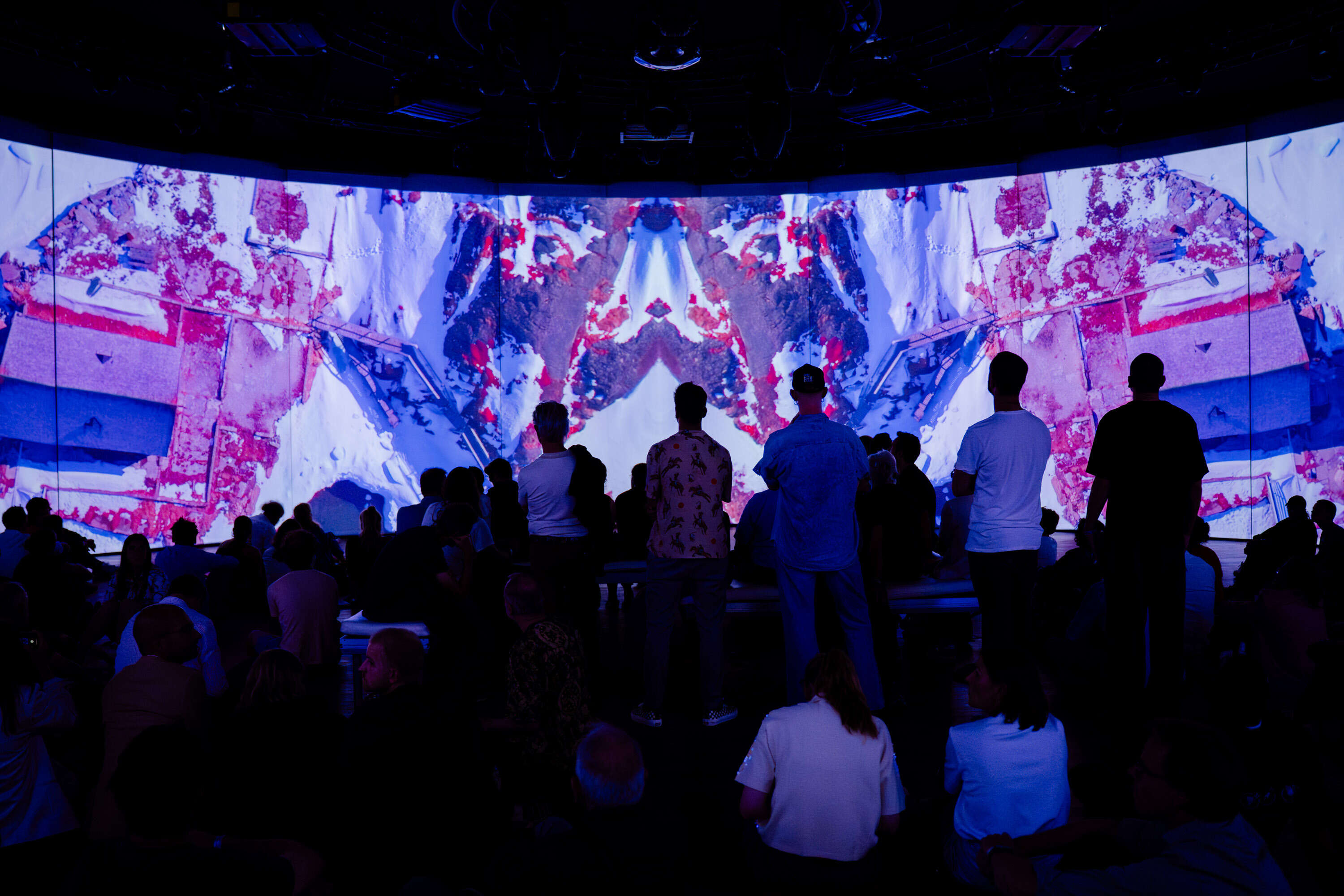
I imagine us inside a 360° immersive room: a six-metre-high LED screen, full 360 Dolby Atmos sound, LiDAR tracking, and high-definition cameras—paired with exceptional content and facilitation. A complete experience in a box, ready to tour and deploy anywhere in the world. Am I exaggerating? Maybe not. I’ve just met someone who is building exactly this.
Synthesis
Obviously, I am using all of the above as a metaphor to try to explain what I do with my artistic interventions, provocations, and interruptions. These qualities inform my work/play. Whether that is soundscapes, installations, performances, or group expeditions.
Now that we have our protected, isolated space and a designed conspiracy, it is time to play the music. Music is the content. Content is the music.
Experiencing our music – individually or as part of a group – can feel like a trip, a trance, like digital psychedelics.
The music/content is presented in the right space, with the appropriate emotional and psychological atmosphere—the backdrop, if you will—inviting and sustaining safety, interest, curiosity, awe, and growth.
The rhythm is softer, slower, quieter vs. harder, faster, louder.
We embrace – and even design – flaws and imperfections, spontaneous repetition, and noise, inviting the participants to connect with being human, and to internalise the content at an embodied level of sensory experience.
We design with fifty shades of sophistication: avant-garde activism shaped by counterculture, driven by intention and direction. We build a relational infrastructure capable of holding shared ambitions, carrying a map as a symbol of movement, of becoming. These are maps that make meaning—shifting the question from the adolescent “Where are we going?” to the more deliberate “What direction do we want?”
We are all Argonauts again. We are experiens-explorers. We want to create the right spaces and conditions for debating the new rules and the associated structures of reality, then acting them out as if those rules were in place. As explorers, we want to play with new rules to dream, new rules to hope, but also – not to sound too cheesy or utopian – new rules to suffer and cope with what is evil and sin. In that sense, we become all part of a shared conspiracy.
We are not in the business of homo sapiens, ludens, or faber, but in the business of homo experiens.
With thanks to my co-conspirators Josie and Andreea, for challenging me over and over again