Petervan’s Musical Ride August 2026 – 37 songs only. Recent releases from ICA, De Staat, and Squirrel Flower. Oldies from William Orbit, Grauzone, and Andrew Wheaterall. Lots of experimental as well. Play in shuffle mode to increase the surprise factor. Enjoy
We are now in the grant phase. The deliverables for this phase are:
An AI-Based Analysis of Supporting, Contradictory, and Complementary Resources
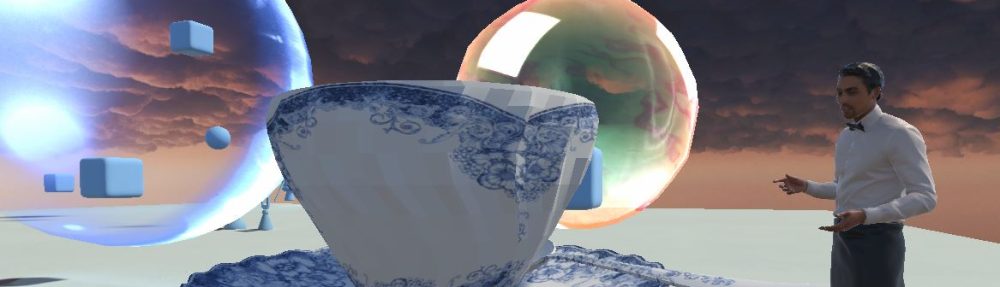
An artistic XR rendering of a New New Babylon on top of an existing city or city district
Art Expo (minimum Online, ideally IRL)
Art Book
I am trying to get the first two done, or at least well-developed, by year-end.
AI-based Analysis
I have been experimenting with Google’s NotebookML – now Gemini Notebook. I uploaded some 70 resources about:
Constant’s New Babylon from 1950ies
21st-century criticism of his work
Architectural reflections about urbanism
Urbanism and memory research from the Protocol Institute
Some cybernetics material related to Gordon Pask and his conversational protocol
Gemini Notebook generated the following summary, but it seems to miss the cybernetics material – at least in this summary – but this is probably due to the 50-source limit under the free plan.
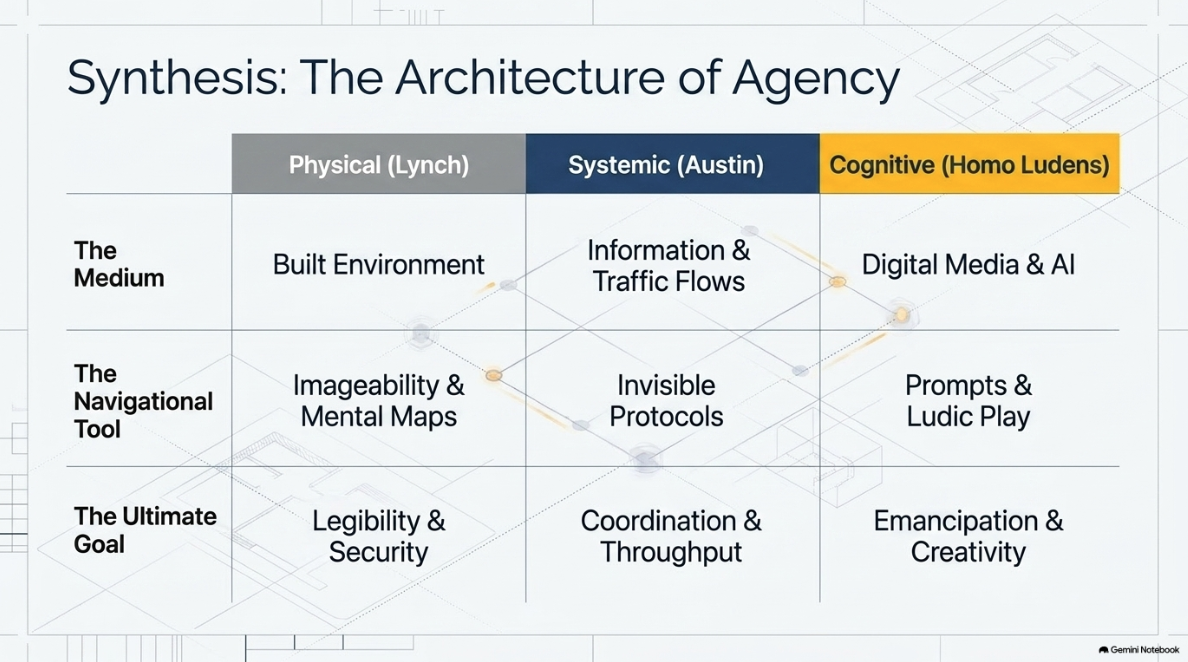
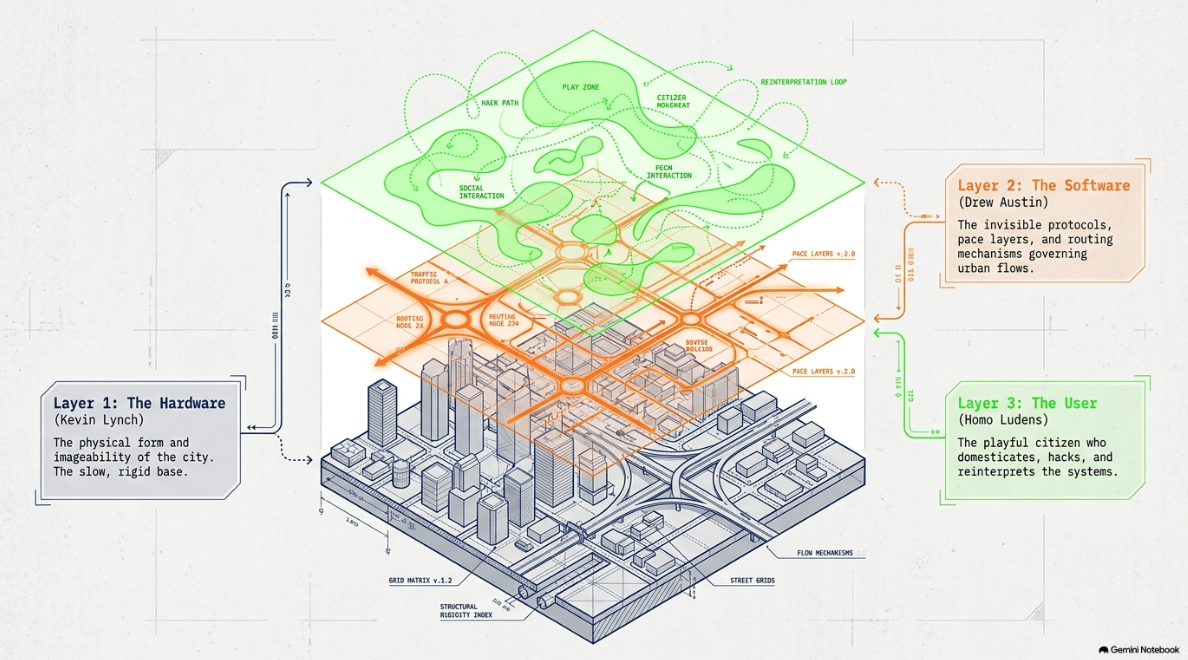
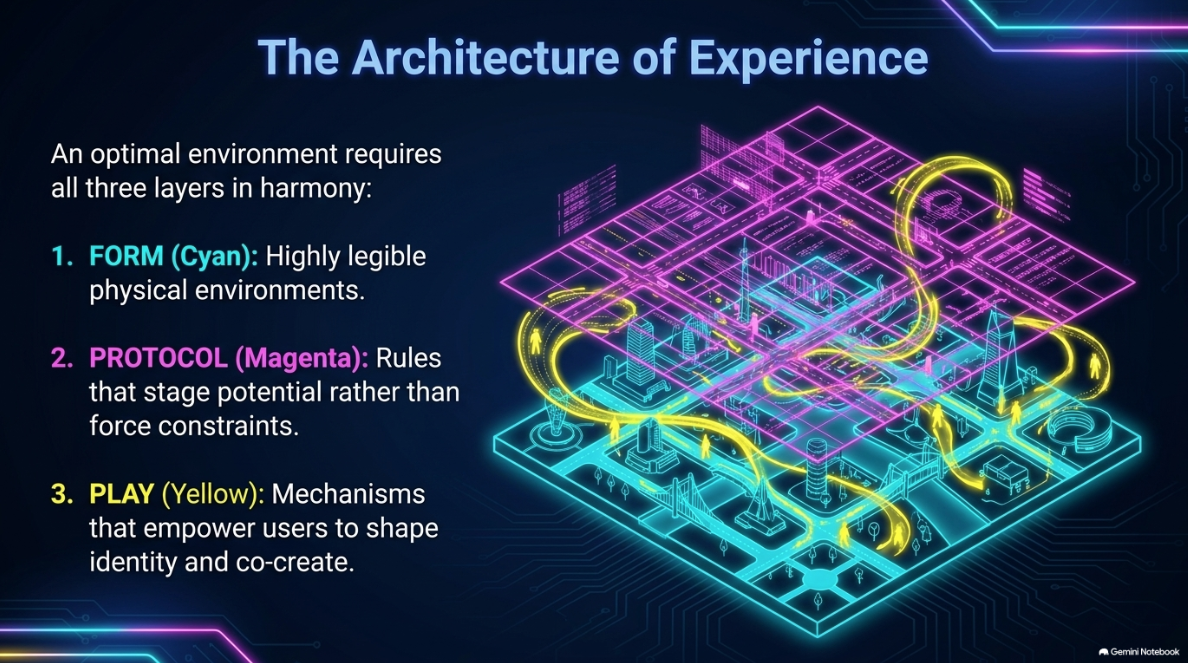
“These sources explore the intersection of urban design, digital media, and human identity, primarily focusing on how play and structured environments shape our perception of the world. Kevin Lynch introduces “imageability” to describe how clear physical layouts, such as paths and landmarks, help residents build mental maps and feel emotionally secure. Building on this, Valerie Frissen and others examine “Homo Ludens 2.0,” a concept where digital connectivity and gamification allow users to experiment with their identities within virtual landscapes. Drew Austin bridges these ideas by analysing protocols, like the urban street grid, which act as invisible “software” managing the tension between rigid infrastructure and fluid human behaviour. Together, the texts suggest that whether through physical architecture or digital platforms, the rules and forms governing our surroundings profoundly influence how we navigate, create, and relate to one another. Overcoming protocol failure or urban chaos requires a deeper understanding of these interactive systems and their impact on the human experience.”
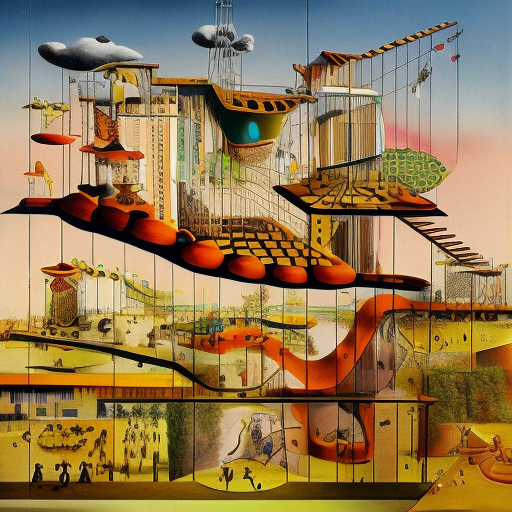
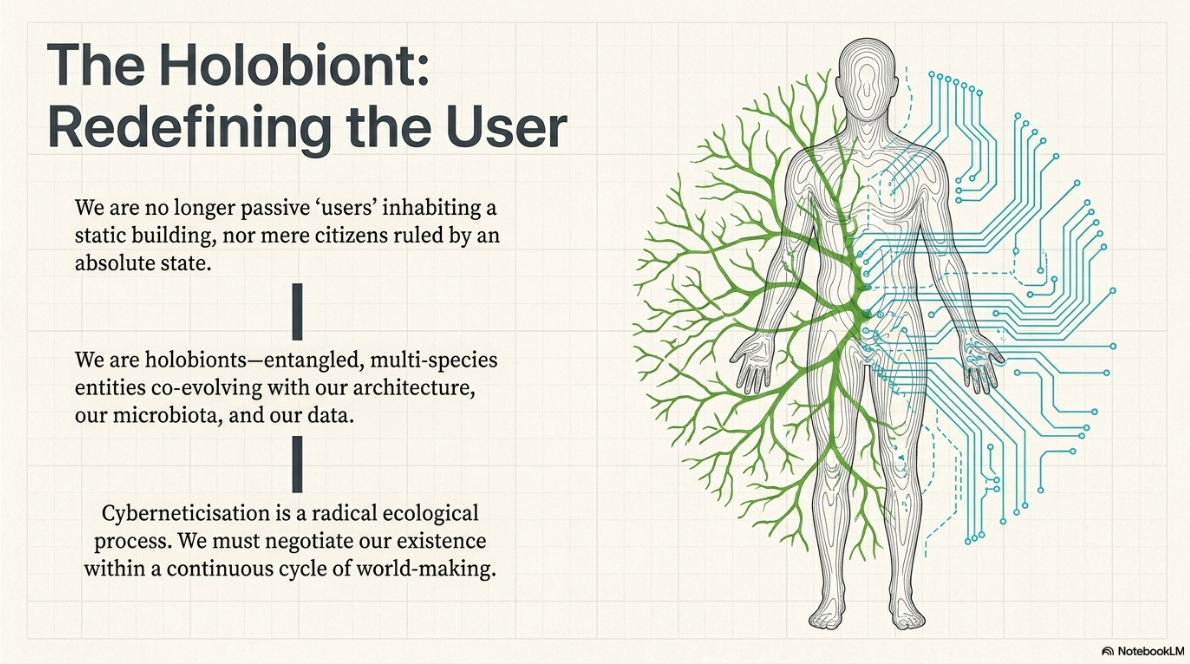
Gemini Notebook generated some very interesting reports, slides, visuals, and blog posts that I will share on this blog in the coming weeks. Below are some teasers.
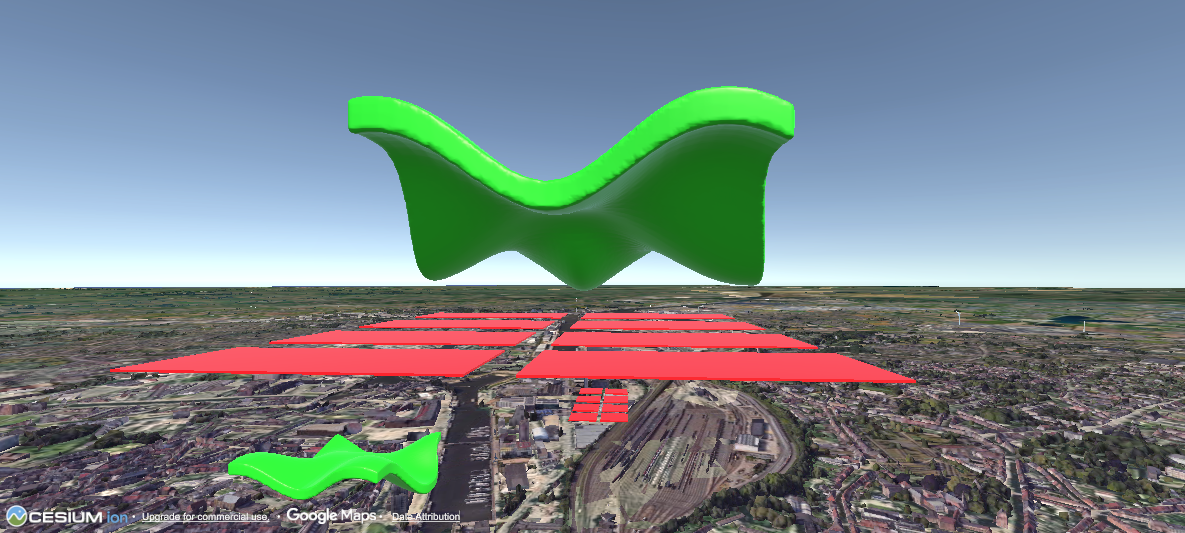
The idea here is to virtually create a layer – the city of play – above the city of Ghent (could be any city in the world). I am experimenting with the Cesium open platform for creating powerful 3D geospatial applications. Testing in both the Unity and Unreal Engines. The plan is for the layered city of play to be composed of self-sculpted shapes, created in Blender or Nomad Sculpt. Ideally with 3D audio on top, but that is a nice-to-have. An alternative would be to leverage the material of Spectracities.
If you think this is interesting and want to contribute to the project – in money or in kind – drop me a note. Feel free to comment. To stay updated, subscribe to the blog.
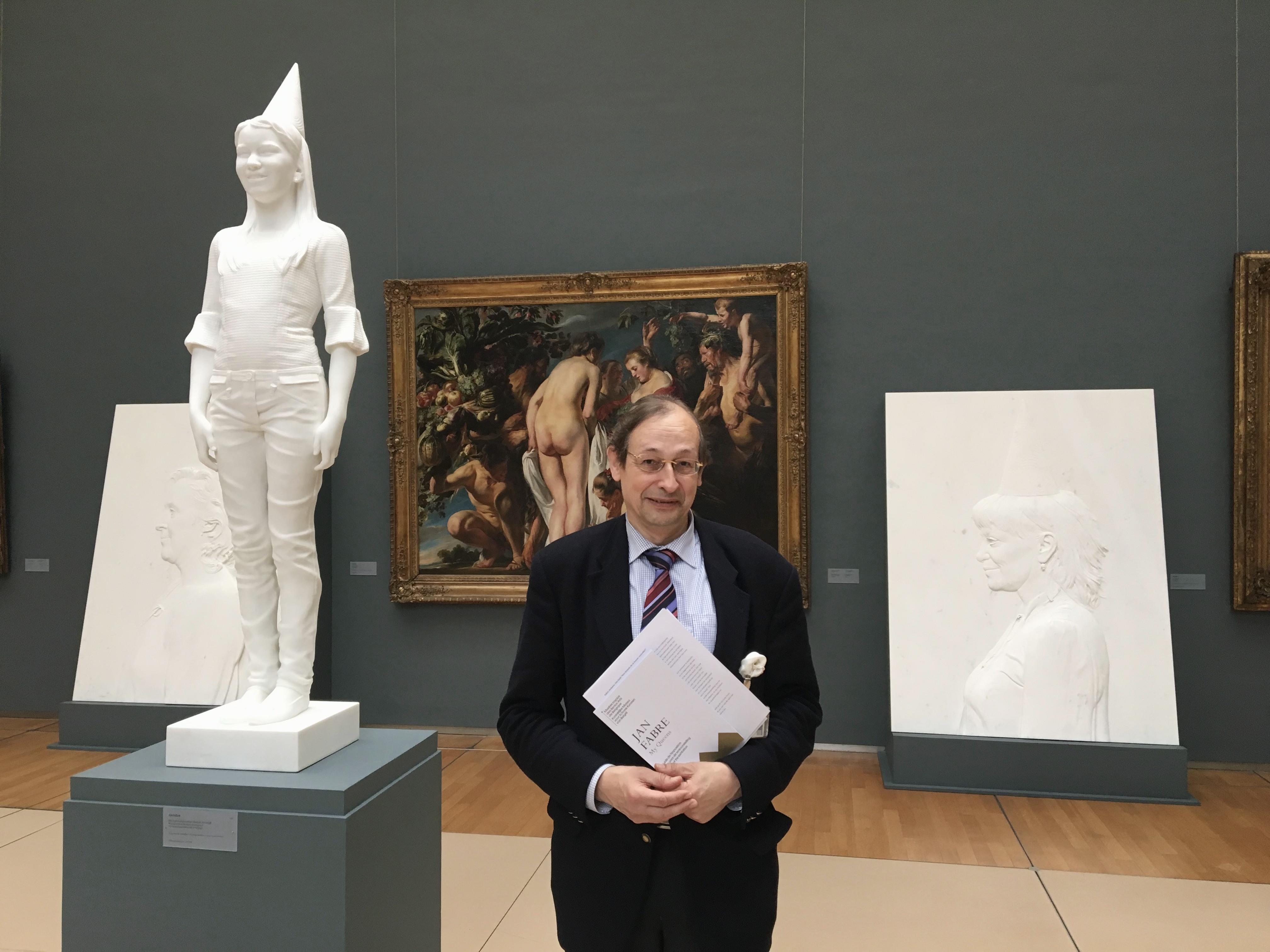
This is a repost of a LinkedIn article by Josie Gibson, summarizing a call about Art and AI with my cousin Joost, former senior curator at the Royal Museum of Fine Arts in Brussels. Joost is an expert in the paintings of the Old Masters, and he also serves as a Vice President of the UNESCO International Committee on the History of Art. He continues to lead groundbreaking collaborative projects like the Jordaens Van Dyck Panel Paintings art historical initiative.
Joost in front of a Jordaens and Carrara marble bas-reliefs from Jan Fabre’s My Queens, an expo he curated for the Royal Museum of Fine Arts in Brussels in 2018
How do new tools and technologies shape how we see ourselves and create meaning? Art has long been at the jagged edge of adaptation, but with its velocity and reach, artificial intelligence (AI) is challenging art and art-making in new and unique ways, according to Joost Vander Auwera, leading art historian and cultural researcher.
In a riveting session of The Catalyst Network, we were treated to insights from live debates across the art world on issues such as provenance, ownership, authenticity, identity and ethics in the AI era.
Joost’s opening comment sums up where we find ourselves: ‘Art is at the centre of (these debates) because it focuses on the difference between AI and the human mind. It’s created, art… by a human being who knows mortality, life, memory, embodied experience and existential responsibility. This is something AI does not have.’
I was invited to share some of my experiments with creative tools, including AI, exploring how they have supported art-making and performance, as well as reflecting on the current limitations of these technologies.
Example of endlessly repeating audio/video installation by Petervan
Historical context matters. ‘Originality’ in the 17th century was very different to how we think about it today, Joost points out. Then it wasn’t uncommon for artists to create several versions of the same painting, and when they had a major painting in the studio, it might be reworked to adapt to a new style and market. ‘We have to not take what we see now,’ he cautions, ‘as being absolute in art.’
Art is at the forefront of society and social memory and evolves with the times, public tastes, and tools. There are, however, universal elements in how we experience art.
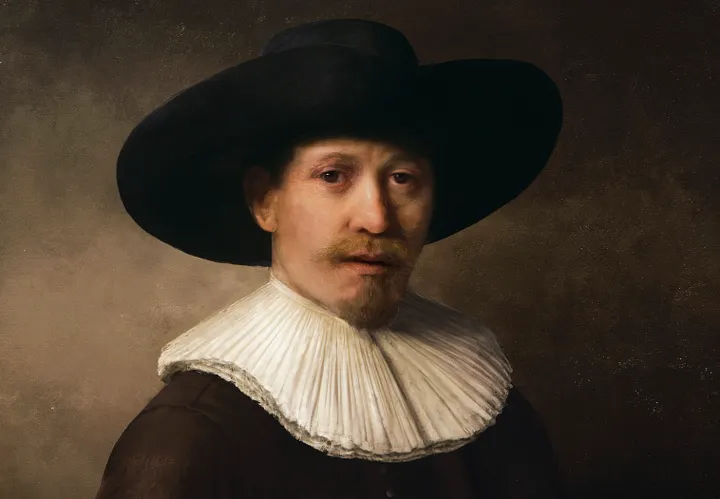
Joost recalled one early experiment where all Rembrandt’s paintings were loaded into an AI application to produce a ‘new’ Rembrandt. ‘The painting they created had all the stylistic aspects of Rembrandt, for sure, but it is a boring painting.’ He pointed out the AI Rembrandt was the common denominator of the previous paintings of Rembrandt, the opposite of what Rembrandt does: more with less. So, a real Rembrandt is ‘more with less’, and AI is ‘less with more’.
The Next Rembrandt – created by AI in 2011
These artists mastered the techniques then went beyond, capturing an essence of human experience that’s currently beyond the reach of AI.
That said, AI is making quantum leaps, and Joost highlighted the need for (human) critical thinking to combat the shadow sides of technology. A brilliant conversation on how we create collective memories and why it matters.
Original text by Josie Gibson, slightly adapted and complemented by some images by Petervan