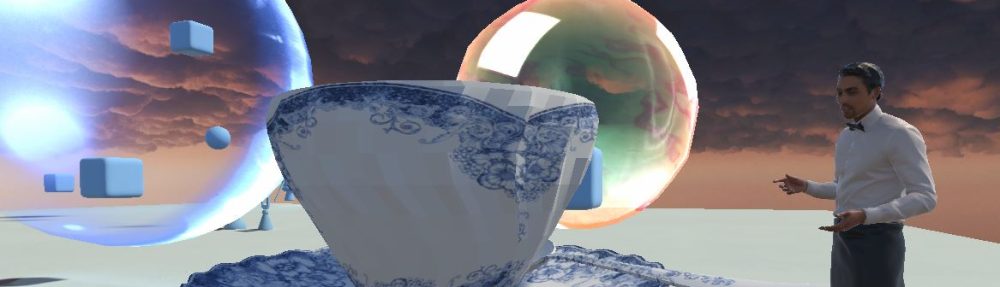
What is worth measuring?

In my latest post, I introduced you to the work of NOOR, who is creating a new sport. I suggested that her work could open up a much broader inquiry: How do we create a new way of becoming?

With that background, I would like to dive a little deeper into other aspects of her research and explore how a new way of becoming raises the question of what is worth measuring.

NOOR’s research

Her work is based on five theoretical pillars:

  • Pillar I: Achievement Motivation and the Competition State
  • Pillar II: Gendered Body Comportment and Relational Embodiment
  • Pillar III: Kinetic Awareness versus Functional Alienation
  • Pillar IV: The Language of the Body as Resistance
  • Pillar V: Institutional Power and Tacit Knowing

If we zoom in on Pillar II, we see that high-performance sports such as Women’s Artistic Gymnastics demand a highly disciplined environment. This “limited intentionality” is not merely psychological; it is materially and institutionally produced through regulations that physicalize discipline. By restricting a neckline to “half of the sternum” or a leg cut to the “hip bone,” these regulations physically delimit the female athlete’s bodily presence, prescribing not only how her body may appear but also the spatiality of its movement and reach.
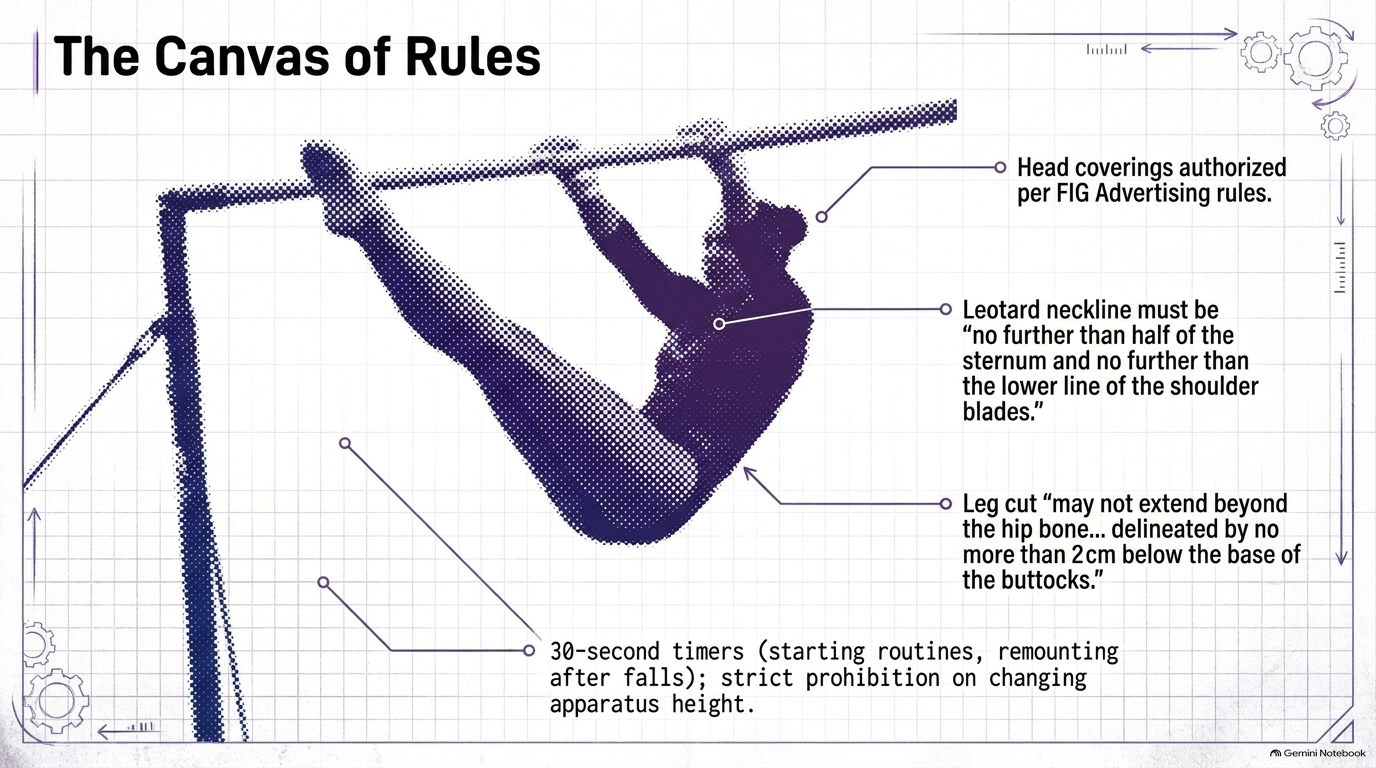
Contrastingly, the “new embodiment” argues for relationality. Instead of an isolated, disciplined body performing for an external score, NOOR envisions a body that exists in relation to its community and its own internal state.

The measurable body is reduced to a numerical sequence, a “data point” in a governed script, and a series of technical skills to be deducted by a jury. By contrast, NOOR’s thesis suggests a “Lived Body”, a “Lived Experience”: the body uses its own language, prioritizes the “desire to understand,” and embraces the vulnerability of a “broken rule” as a moment of liberation.

Under Pillar III, she challenges the reduction of bodies in elite sport to quantifiable units—fragments of movement extracted, coded, and rendered legible for judicial consumption. Here, the focus is on the static state: the Coded Body. The official Code of Points (COP) is by the WAG (Women’s Artistic Gymnastics). The COP transforms the routine into an “extinction of the moment”: what is experienced as continuous, kinetic movement is captured as a series of discrete, measurable outcomes. Skills are stripped of their temporal and embodied flow, translated instead into numerical sequences that can be evaluated, compared, and scored.

NOOR’s Running Score” is an ontology of becoming . It is an “evolving total” that refuses the finality of the judge’s verdict. This shift is punctuated by the project’s use of generative logic to replace judicial logic with a methodological script that documents the continuity of experience rather than the error of the result.

All this made me reflect on what is worth measuring. Spoiler: Instead of measuring the being, I suggest we find a way to measure the becoming. Let me build up the context for this proposition. And to manage your expectations: there is no answer. It is an invitation for debate and conversation.

Homo Ludens

In Johan Huizinga’s Homo Ludens, a game (or play) is defined as “a voluntary, absorbing activity carried out within certain fixed limits of time and place, according to freely accepted rules, and attended by a feeling of tension, joy, and a consciousness that it is ‘different’ from ordinary life.”
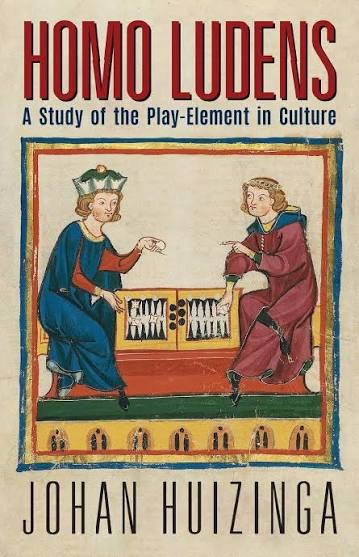
Huizinga argues that civilization does not come from play; rather, culture arises in and as play. He demonstrates that foundational elements of society—such as law, warfare, poetry, philosophy, and art—developed out of ancient ritual contests and rule-bound social play long before they became institutionalized

Huizinga’s “magic circle” describes the physical or psychological space where a game takes place and where the rules of the real world are temporarily suspended. Within this circle, a new set of rules, meanings, and logic applies that holds no weight in ordinary life. 

In modern game design, the magic circle represents the psychological barrier where a player enters a state of immersion. Inside this boundary, the virtual world feels real, and the stakes matter to the player.

Game or play is a way of becoming

Finite/Infinite Games

In Finite/Infinite Games, philosopher James P. Carse explores the idea that all human interactions and behaviors can be viewed through the lens of two distinct types of “games.” 

Carse introduces his thesis in the very first line of the book: “A finite game is played for the purpose of winning, an infinite game for the purpose of continuing the play.”

FeatureFinite GamesInfinite Games
Primary GoalTo win (which ends the game)To keep playing and prevent the game from ending
BoundariesFixed temporal, spatial, and numerical limitsBoundless; open and expanding
RulesFixed and agreed-upon; changing them breaks the gameDynamic and evolving; changed precisely to keep the play alive
PlayersKnown, select participants with clear opponentsEver-changing roster; open to anyone
ExamplesSports, politics, war, getting a degree, corporate promotionsCulture, love, a career, learning, nature, life itself

NOOR’s new sports are infinite games.

Process Philosophy

Philosopher Whitehead is considered the godfather of Process Philosophy. Instead of a philosophy of being, he proposed a philosophy of becoming.

“Developed in his seminal 1929 book Process and Reality, this ontology argues that “becoming” is more fundamental than “being”—meaning the universe is a web of energetic, experiential events rather than a collection of passive, physical matter.”

In his presentations on the four elements of the experiential design framework for immersive storytelling, Kent Bye draws an explicit connection to process philosophy. The slide below maps the foundational metaphysical scaffolding of a paradigm shift inspired by the philosophy of Alfred North Whitehead, contrasting traditional Substance Philosophy—centered on permanent, static “being”—with Process Philosophy—centered on dynamic, interconnected “becoming.”

It is precisely this shift, from being to becoming, that provides the philosophical foundation for NOOR’s work.
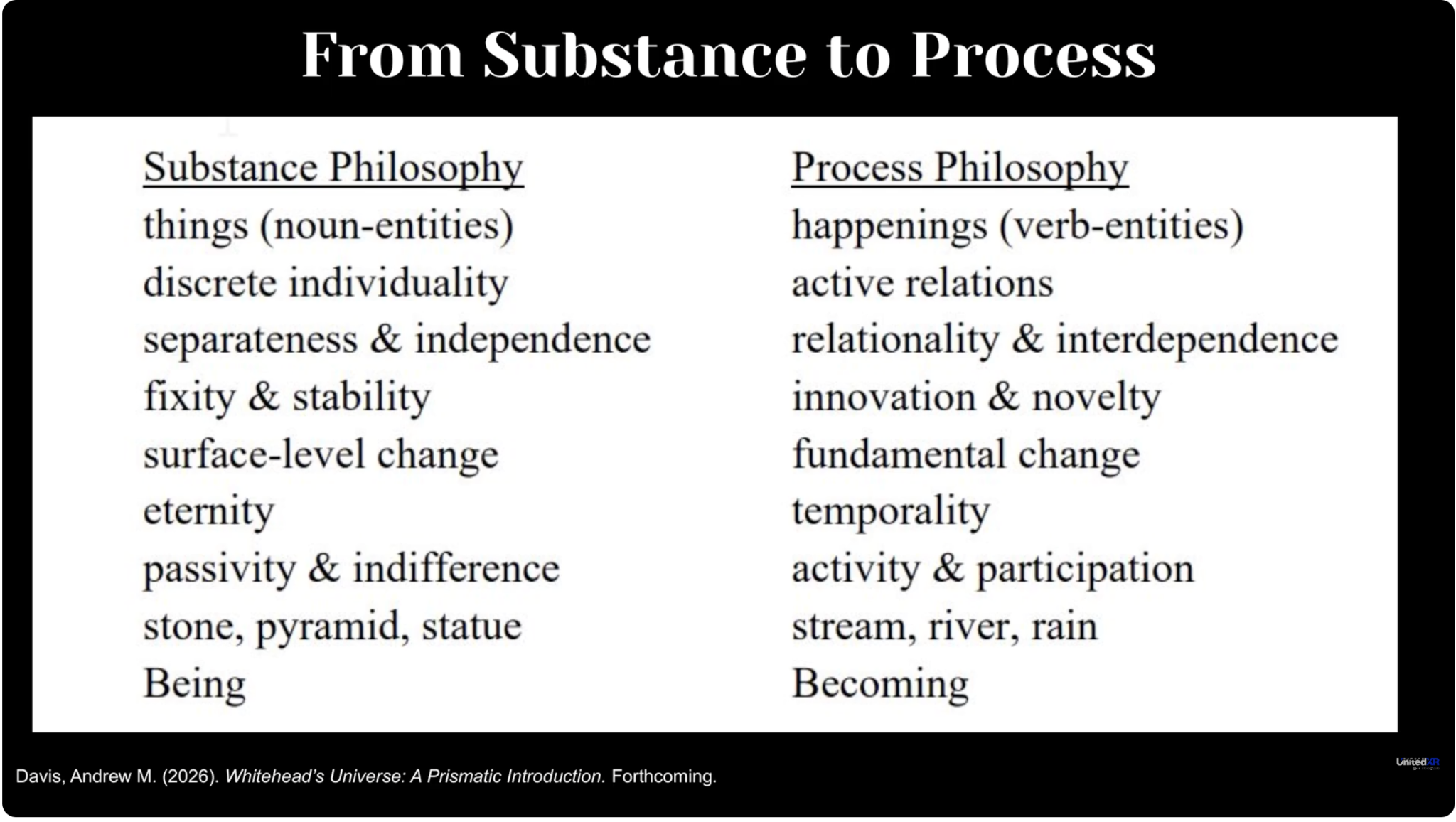
The slide is based on the work of process philosopher and theologian Dr. Andrew M. Davis, specifically serving as a visual graphic for his book Whitehead’s Universe: A Prismatic Introduction (published by Orbis Books). 

Protocol Art

In NOOR’s work, the artist becomes a protocol designer, creating the conditions for others to instantiate endless variations of the work. 

The Protocol is like the recipe, the stage, the score, the spec, the scripts, the primitives. The Instantiation is like the dish, the mixed outcome, the expression, the combinations of primitives. In that sense, Protocol Art is about delegating the instantiation. The artist becomes the composer. See also my 2019 post on “who is the composer?”

Which leads to another question: who is the instantiator? It can be craftsmen, it can be the audience, it can be machines, it can be Agents. In a sense, this is not new; already in the 17th century, Rubens was running his studio: the master has pupils working in his style, working with his protocols of mixing paint, making brushstrokes in certain ways, etc

Protocol Art expands this practice and gives attention to aspects like “Pattern Integrity”, “Style” of instantiation, etc. Christopher Alexander, anybody?

Agentworld and Superdark Factory

What if we also start delegating the work of the protocol composer, the architect of the experience? You would get something that resembles The Superdark Factory or the Agentworld of Antikythera.
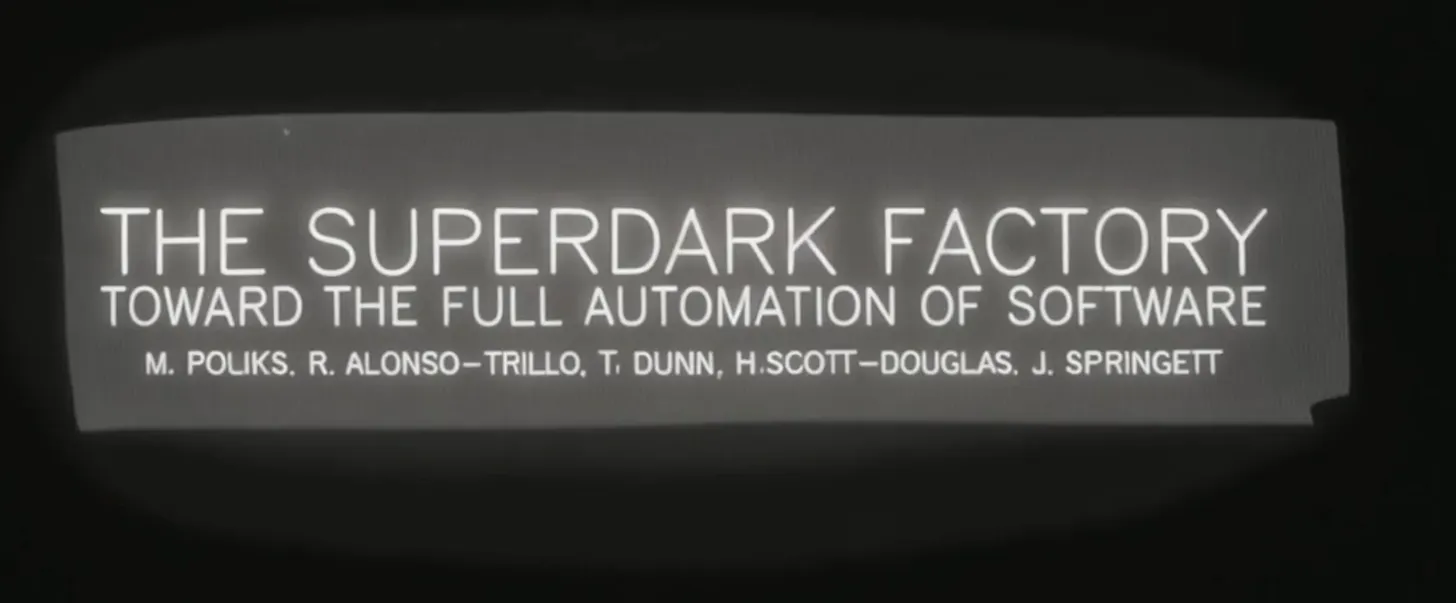
In Superdark Factory (dark or superdark as in illegable, not-understandable), the Antikythera authors argue that the historical evolution of software engineering has reached a critical inflection point where conventional, human-governed software pipelines—characterised by manual oversight, explicit logic specification, and step-by-step human verification—impose severe structural bottlenecks on throughput, operational speed, and systemic capability. 

Achieving a true step-change in productivity demands surrendering the requirement for direct human supervision within operational feedback loops, delegating both execution and architectural decision-making directly to computational machinery.

The Superdark Factory represents the limit case of this transition: an extreme, self-directed, recursively self-optimising software ecosystem. Operating as an autonomous abstract machine, the Superdark Factory independently formulates its own ambitions, designs and constructs the machinery required to pursue them, and continuously restructures and refines its own operations—without human intervention within its feedback loops.

Rather than merely executing static instructions, the Superdark Factory automates production at the level of determining what is worth producing, continuously generating new internal versions of itself to satisfy ambient imperatives. It is a “versioning regime that measures what the factory does rather than what it is”

In the Superdark Factory, we let the machine decide what is worth building.

What is worth measuring?

The world is in flux. Always has been. Maybe faster now than in the past, maybe at a different clock speed, incomprehensible and illegible for humans.

How can we measure flux? How can we measure becoming? How can we measure flow? How can we measure computation-in-action? Do we measure pattern integrity? Style? Direction (in many senses: backward/forward, progressive/regressive, moral/amoral, etc.)? Who sets the norms? Tech companies? A new kind of institution? 
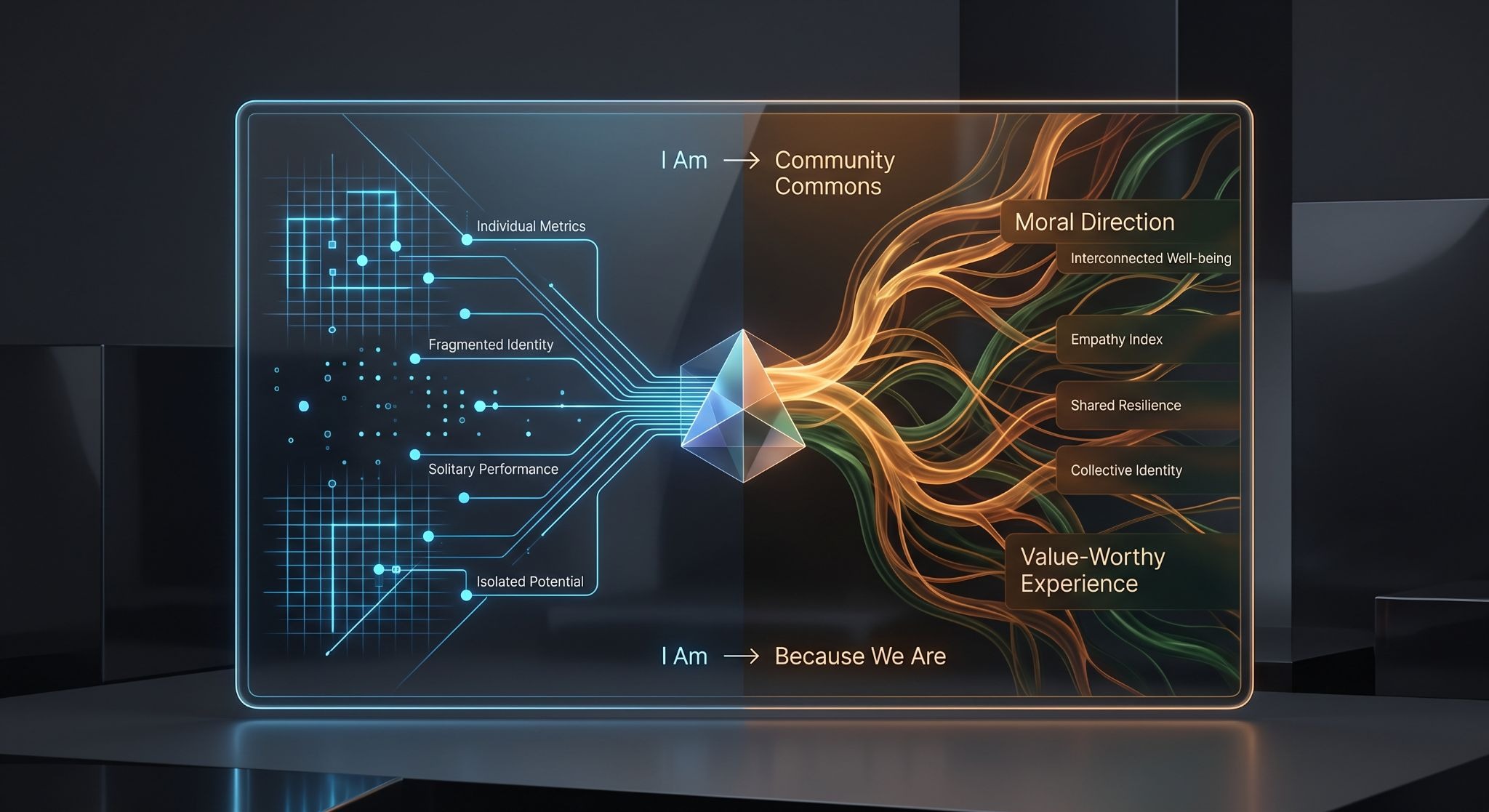
What do we consider as “valuable”? Should value be based on Western individuality? Or on communities/commons principles like Ubuntu or Hunhu? This AEON article was an eye-opener for me. Instead of focusing on trustworthy infrastructures, wouldn’t it be wiser to strive for value-worthy experiences, based on the social/cultural “needs” of humans? Values such as identity, reputation, community, and now maybe also values such as becoming, pattern integrity, and everything on the right side of the Whitehead/Davis slide?

There is no definitive answer. This post is an invitation to debate and conversation. But I find myself excited by the possibility of moving beyond the measurement of the static—the “being”—towards something that captures the dynamic, emergent quality of “becoming.”
When my future has to catch up with my present

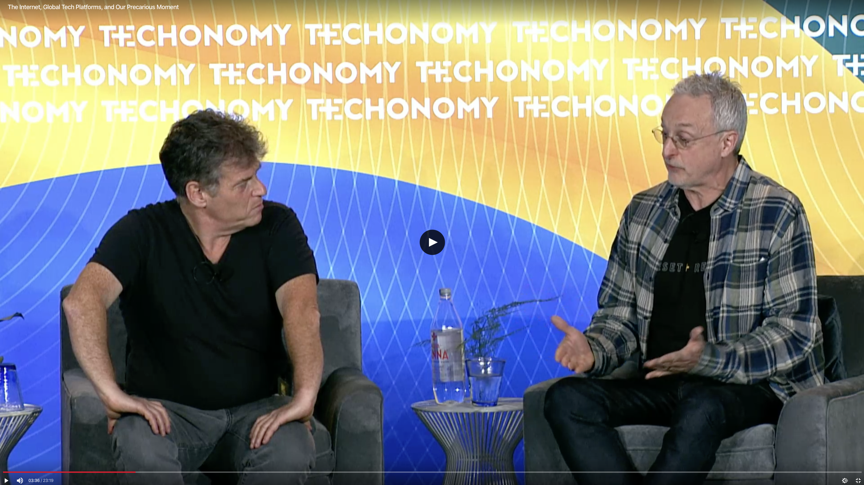
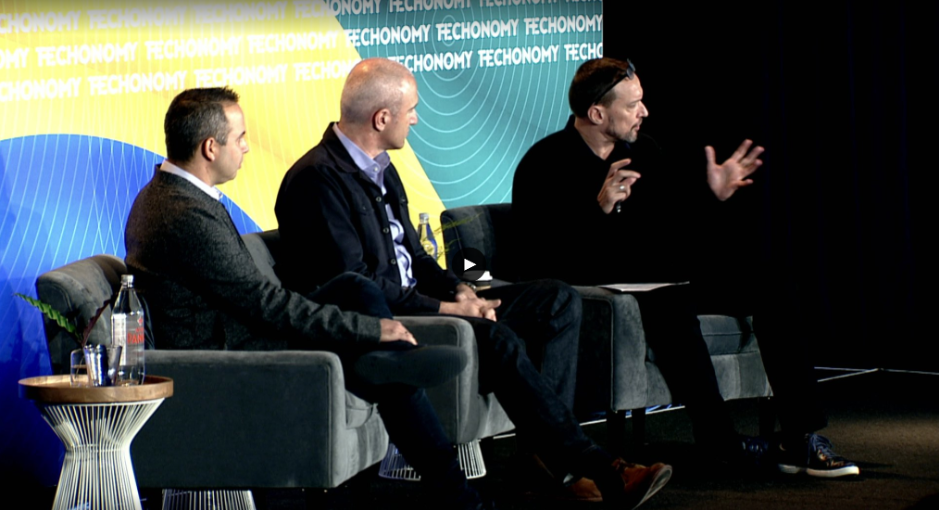
The “collapse of time” was an important meme in the Techonomy 2019 session on Super-Evolution, the idea that startups can now harness rapid prototyping and vast pools of data to develop radically new business models quickly and at scale (video here)

Techonomy

Super-Evolution is about creating more – dramatically more – options. Invented by AI, aka non-human logic. (see also Haydn Shaughnessy on the importance of maximizing options and radical adjacencies vs. core competency in innovation)

“Leave behind the myth of the grand plan and create the conditions for optionality and just-in-time strategy.”(Haydn Shaughnessy)

The first time I felt that sensation of collapsing time was when viewing Elon Musk’s Tesla 2019 update. I felt beaten by algorithms. The Tesla is now/then learning from (data) from human behavior and driving like a human, but ultimately will EXCEED their behavior” (at 01:48:15)

There you have it: gradually, but suddenly we have a singularity. Gradually but suddenly, all jobs are doomed. We are not going to stop this with an ethics council or with regulation. The train has left the station, the genie is out of the bottle.

“The fleet wakes up with an over the air update”

PR or product? The same question was asked some months later by Jean-Louis Gassée regarding the Cybertruck launch:

“Elon Musk forces us to be of two minds. On one side, we have Musk the Mountebank; on the other, a Captain of Industry.”

I had the same feeling of time-space collapse and irrelevance when watching this awesome interview with Rahul Sonnad, CEO/Co-Founder of Tesloop, explaining how “Robo-Mobility is a hospitality service” and “Once cars are appliances”

Are we toast? And/or do we need to reboot, reskill, etc if we don’t want to become irrelevant? Venkatesh Rao gives his perspective when reflecting on Inventing Time, and playing on Alan Kay’s “It is easier to invent the future than to predict it” and William Gibson’s “The future is already here, it is just unevenly distributed.”

“Riding in a Tesla made the electric vehicle future seem utterly inevitable in a way that kinda killed the present for me. Suddenly I could no longer look at gasoline cars the same way. Driving in my own car felt different like I was stuck in the past, waiting for the price of the future to come down to the point where I could afford to live in it. So a Tesla creates the future in the sense of both the Alan Kay and William Gibson quotes. It makes the future real in a deep way that is like making time itself real. And you know this because the feel of the present feels different like you’re heading down a dead-end, a lame-duck future. You’ll have to either abandon it as soon as you can or end up dying with it.”

Maps book

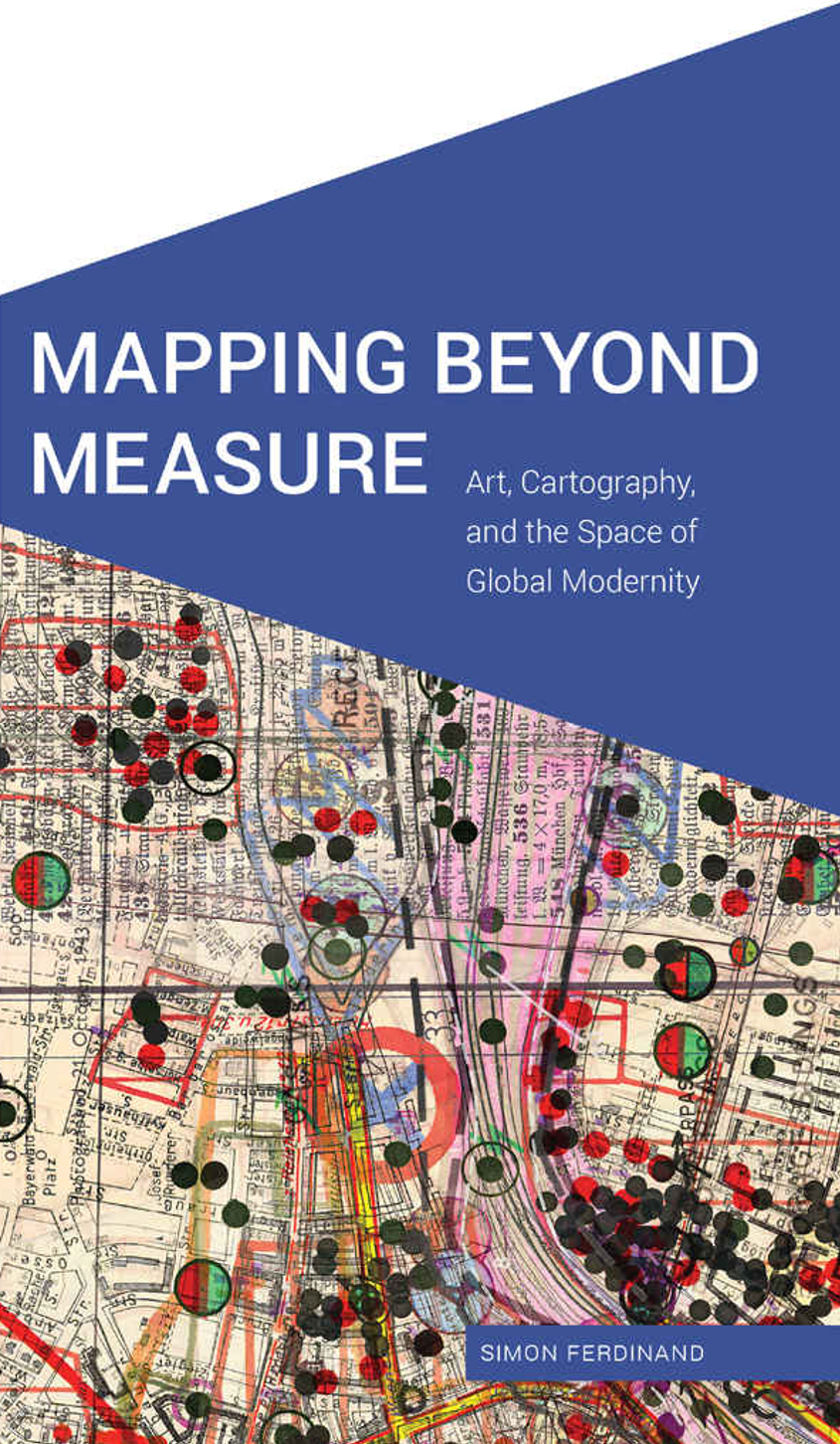
Around the same time, I was lurking in Simon Ferdinand’s Mapping Beyond Measure: Art, Cartography, and the Space of Global Modernity. He could have added the Time of Global Modernity, as he writes about spatial (spheres) and temporal (time collapse) ruptures.

“Often map artworks recapitulate the narratives of rupture (spatial as well as temporal) through which global modernity differentiates itself from inherited pasts and surroundings.”

And;

“Maps have proven integral… to the experience of “time-space compression”

Greenaway

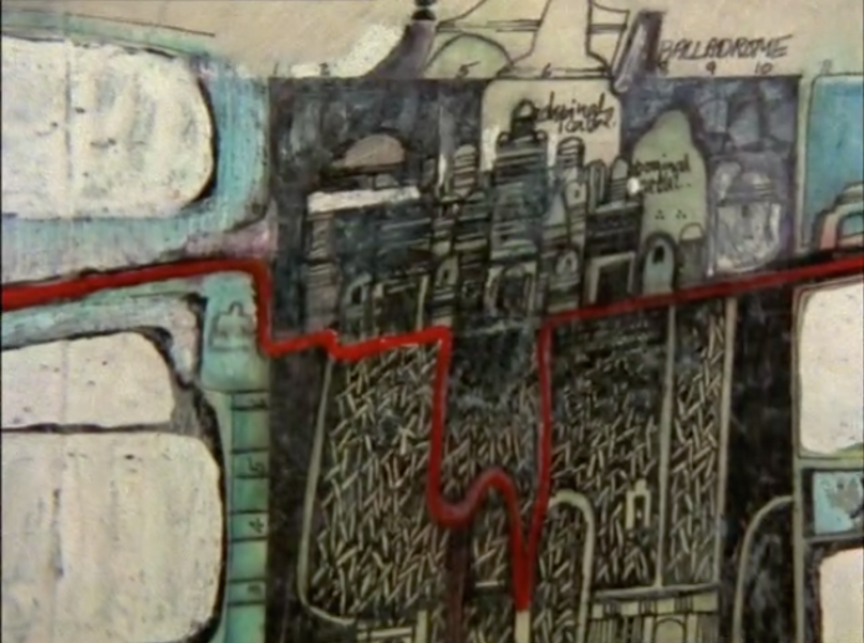
It made me think of Peter Greenaway’s film ‘A walk through H: The Reincarnation of an Ornithologist’ (1978) and “A Walk through a Thousand Plateaus”, an homage to that film.

It is probably a sign of the times that in the preparation of his new book “Agency” also the great William Gibson lost a sense of how weird the world has become, up to the point of the present bypassing his future sci-fi scripts – “His future had to catch up with the present”– and “stubs”: alternative timeline in which technologists (and, more tellingly, hobbyists) of the future are able to meddle.

Agency

Hobbyists and meddling, the right words probably for not getting alienated. I would call it “tinkering” by maximizing options that human logic not necessary can spot or generate in time.

petervan-signature


Immoral Machines of Loving Greed

The theme for Techonomy 2019 in Half Moon Bay, California was “Reset and Restore: Governing Tech, Retrieving Ethics, and Acting on Climate.”

Keen and David

In the opening session, Founder and Host David Kirkpatrick prompted: “These are serious times” and the following interview by Andrew Keen of David was really interesting. Keen rightfully asked the question of what needs to be reset, and – if we have to restore something – is this a nostalgic going back to good old times, or what is meant here?

To make a long story short, it seemed the answer could be distilled to a resetting and restoring back to/towards more humanity.

Konstantinos Karachalios, Managing Director of IEEE’s Digital Ethics department referred to the German Jewish Viennese philosopher Gunther Anders, who wrote in 1956 “The outdatedness of the Human Species”.

Konstantinos also shared some strong opinions about the Power (in)equation – the asymmetry in power of the big tech vs. us – and summarized his thinking as “The Time of (Engineering) Innocence is Over”

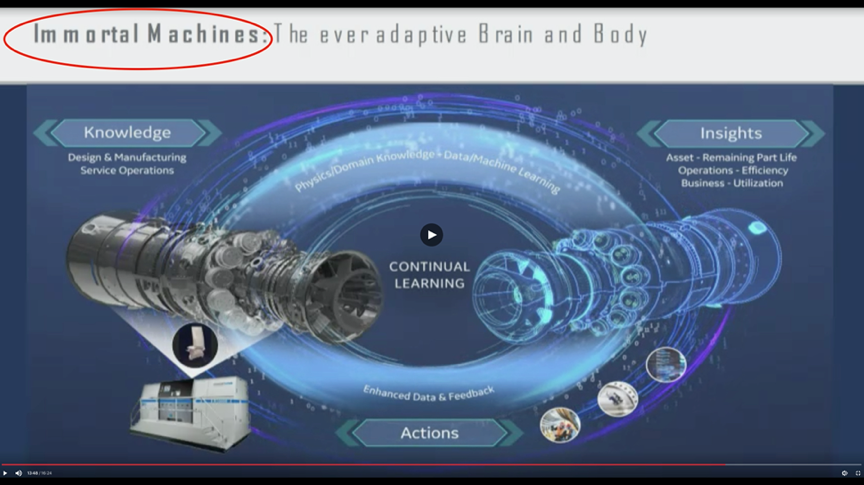
Colin Parris @colin_j_paris did a session titled “Why AI has to be humble” about GE’s use of self-learning AI in the building of GE Jet Engines. Super-slick and professional presentation, almost too clinical. The last slide was about “Intimidation by Immortal Machines”.

Immortal machines

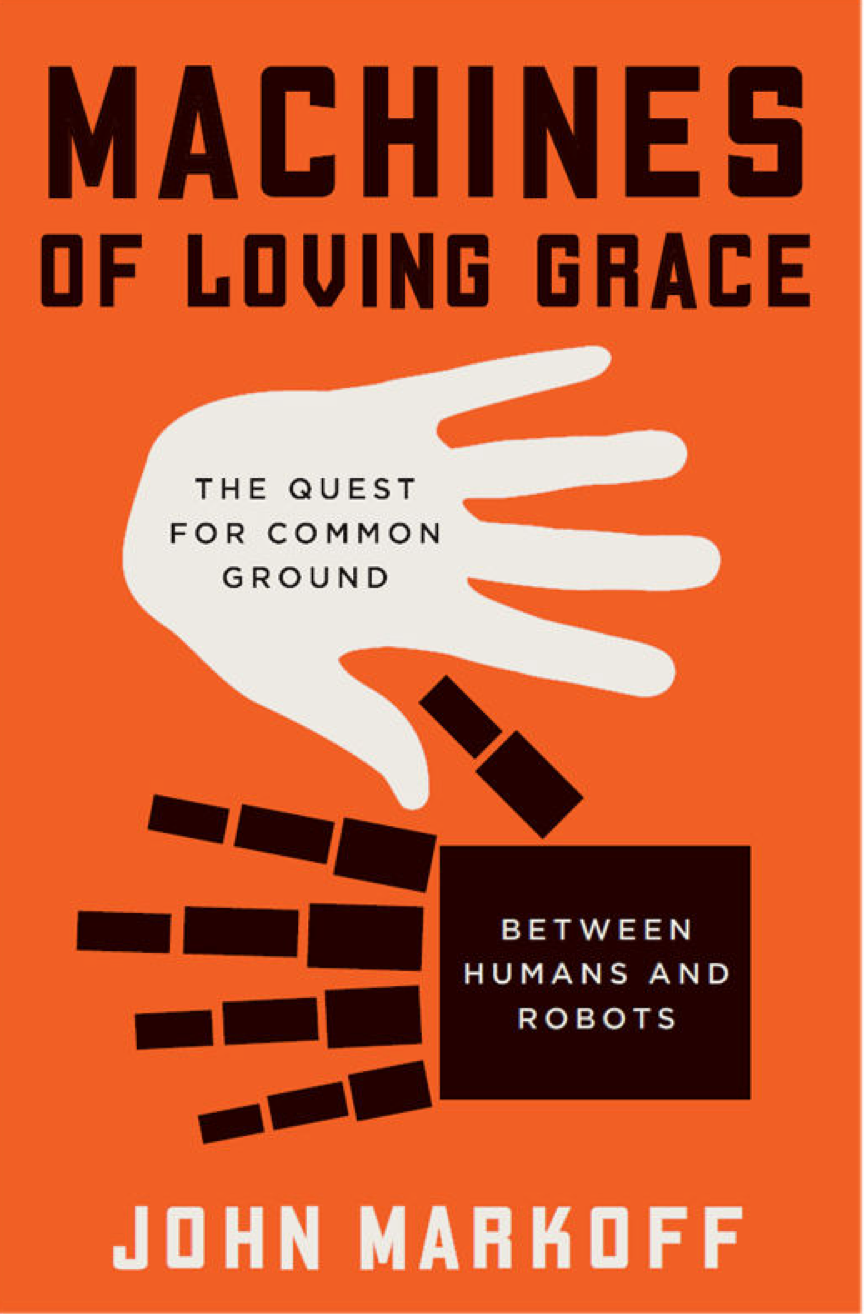
My head got spinning and got me thinking of John Markoff’s 2015 book “Machines of Loving Grace – The Quest for Common Ground between Humans and Machines”

Markoff

In itself, the book’s title is a spin on Richard Brautigan’s “All Watched Over by Machines of Loving Grace” from 1967, and of course, Adam Curtis fantastic 2011 documentary “All Watched Over by Machines of Loving Grace”


I like to think (it has to be!) of a cybernetic ecology

where we are free of our labors

and joined back to nature,

returned to our mammal brothers and sisters,

and all watched over by machines of loving grace. 

Richard Brautigan, “All Watched Over by Machines of Loving Grace” © 1967

Let me put all this behind the backdrop of what I saw and experienced a couple of days earlier in the San Francisco Museum of Modern Art (SFMOMA).

Moss screen

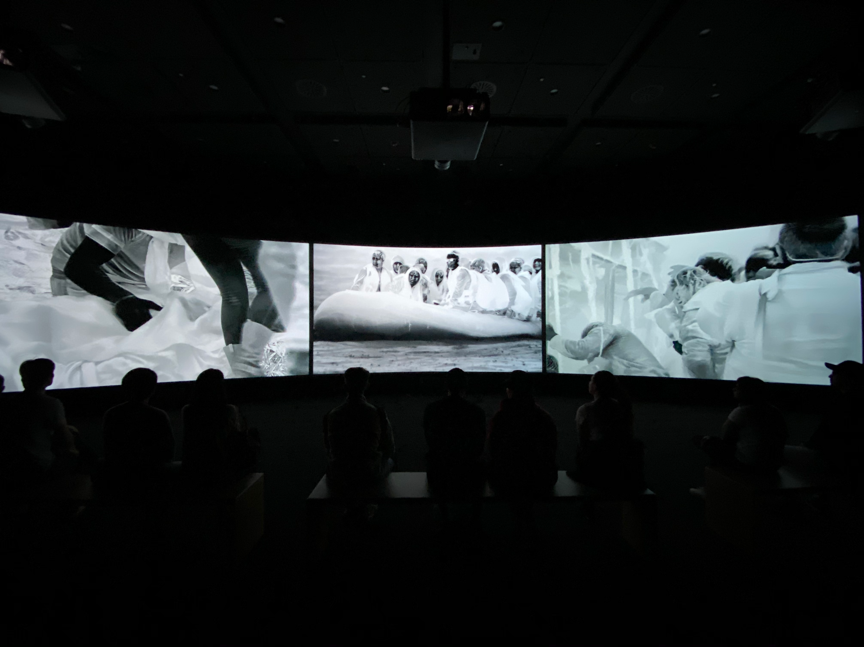
Richard Moss "INCOMING" - Picture by Petervan

On the 7th floor, there is an amazing video installation by Richard Mosse, called “INCOMING”, and it is about the horrible conditions in another Western export product: refugee camps, and related issues of sovereignty, warfare, and surveillance.  The installation forces us to confront our own complicity. Strongly recommended. Still running in SFMOMA till 17 Feb 2020. Warning: you won’t come out smiling from this installation!

https://vimeo.com/234290984

See also interview with the artist in Forensic Architecture

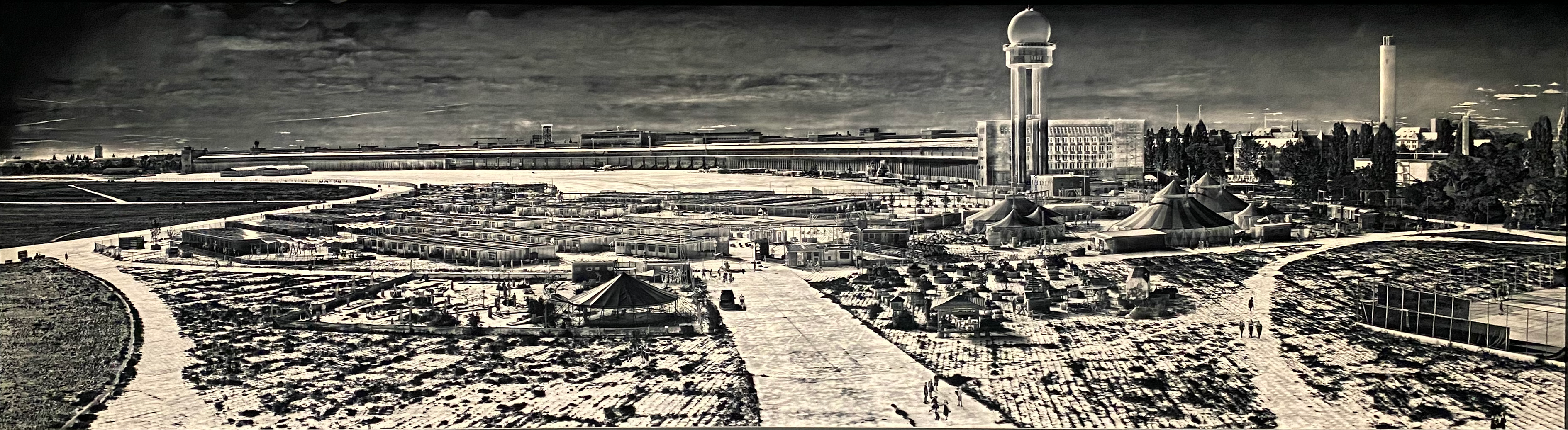
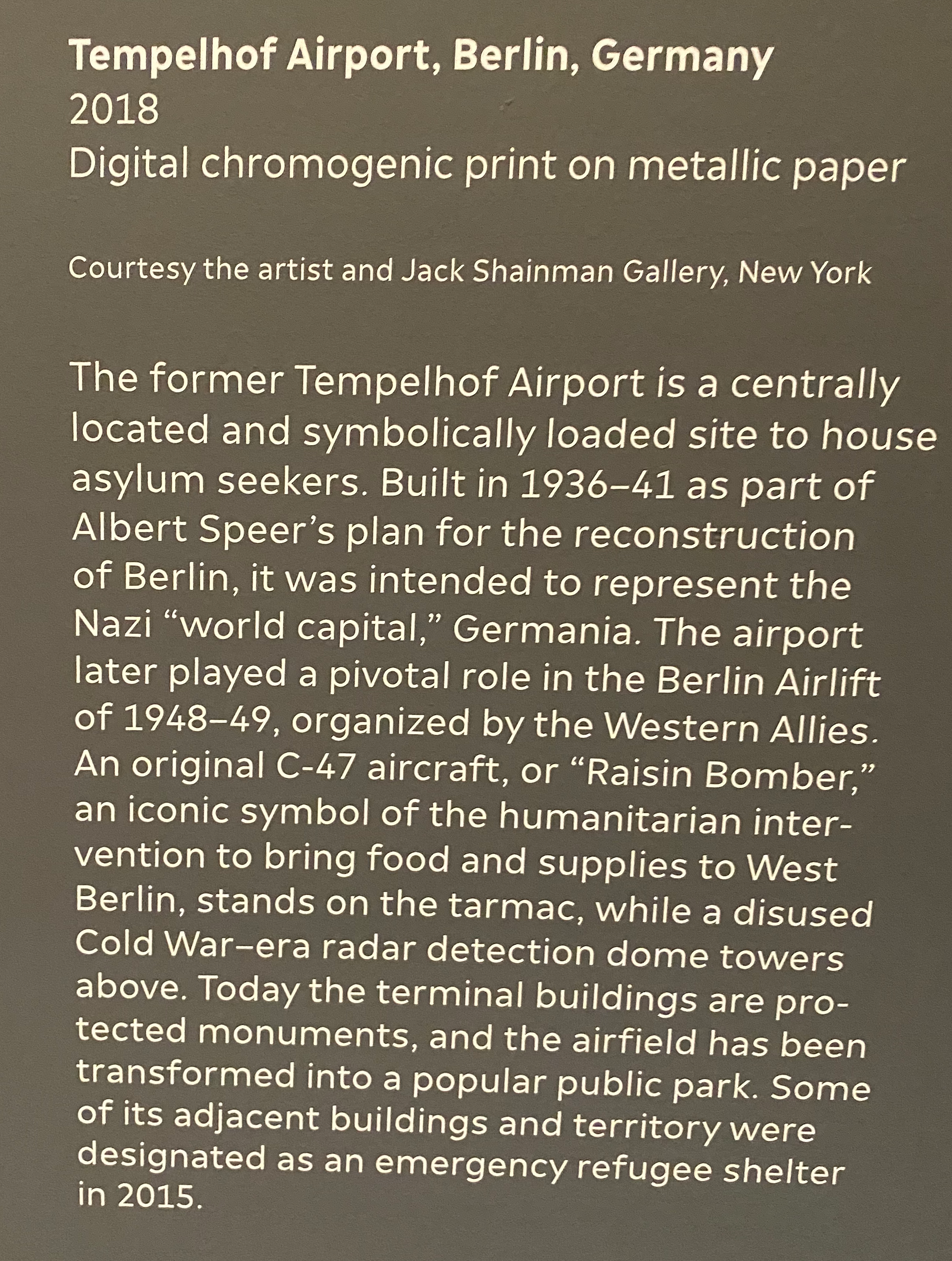
The entrance of the installation also includes a picture of Berlin’s Tempelhof, a symbolically loaded site to house asylum seekers.

Temperhof

Tempelhof context

“…, and the airfield has been transformed into a popular public park. Some of its adjacent buildings and territory were designated as an emergency refugee shelter in 2015”

What misery! What a shame for a “modern” society! This installation made me rethink my opinion about refugees. For me, it questions the whole semantic discussion about “asylum seekers” vs. “economic” refugees. There is no difference. When people become so desperate to flee their home and take these incredible risks and withstand these inhumane circumstances, those semantics become irrelevant.

This injustice is going to explode in our face, sooner or later. A toxic mix with climate change, inequality and the 1% owning 99% of the wealth. I can only hope I will not be treated this way when I or my children have to find refuge for climate change or other disasters in the future.

All the big problems of today are crying for more compassion, more morality, less greed. The root cause is a lack of morals combined with an abundance of greed.

Putting it all together, “Immortal Machines of Loving Grace” may be better replaced by “Immoral Machines of Loving Greed”.  Just replacing two words is probably better and more adequately describing our Zeitgeist.

In that sense, some of the discussions of Techonomy 2019 should have included the refugee crisis vs. having safe conversations about the attention economy, tech supremacy or immortal machines of loving grace in a five-star luxury hotel.

See also my separate post on the key memes of Techonomy 2019.

petervan-signature_transparent_black_version2


The Cambrian Explosion of Identity

I have been thinking about “digital” (identity) for a while. Way back in 2003, I got infected by the digital identity virus at Microsoft in a research project related to the launch of the Belgian Electronic Identity (eID) card, a project that led to executive sponsorship of Mr. Bill Gates himself and meeting forward thinkers like Kim Cameron and many others smart people at Microsoft Research.

bill gates eID card

Later, as the project leader of the Digital Asset Grid (a prototype research project at my previous employer SWIFT/Innotribe), we were investigating distributed sharing of data by independent trusted nodes (one would call that blockchain these days).

Future Scenario from the Digital Asset Grid
Filmed & Produced by Heather Vescent

The project never survived the prototype stage, and although the project was really about sharing any kind of data (and not only personal data), it gave me a seat at the WEF Personal Data experts group. I stayed in touch with many of them and tried to follow the space.

cambrian_fig_1_1_large

Then in 2012, I wrote a blog post titled The Cambrian Explosion of Everything, still one of my most read and commented posts since the start of this blog.

I kept being fascinated by the subject and developed a metaphor where the user would own their data, as if the user would be encapsulated in a Buckminster Fuller sort of sphere, and would be able to share different facets of their outer sphere (their data) and be in control of who they share it with and in what particular transaction context.

BuckminsterFuller

That is, in essence, the VRM concept (Vendor Relationship Management), a set of tools that would give users the tools to manage their vendor relationships, just like vendor manage their customers with CRM (Customer Relationship Management) tools.

My thoughts have definitely evolved since then, especially because I always felt there was a mismatch in trying to mimic 2D identity concepts of the off-line world into the more complex 3D online world. The only thing people were trying to do was to create a digital equivalent of a physical real-world identity card, basically only a representation of an account number, or a social security number, or a government-issued ID.

Identity reduced to a number sitting on a chip of a smart card. It always felt so limiting, and with hindsight plain wrong.

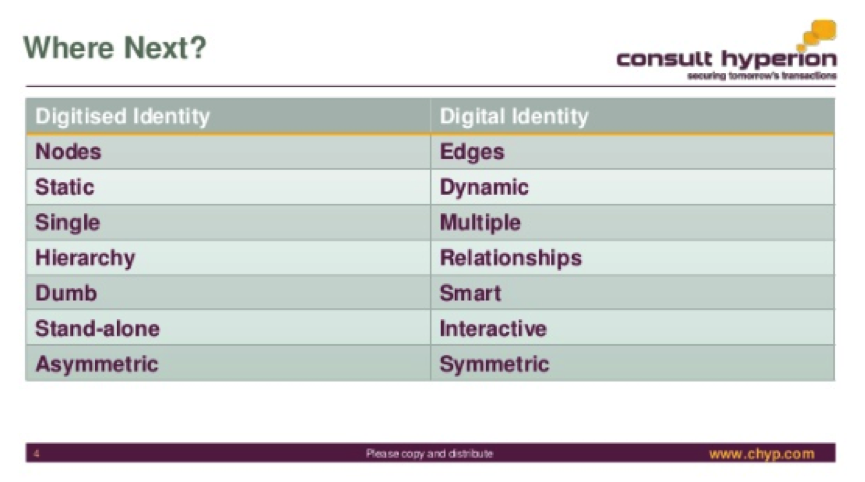
I recently bumped into a presentation by David Birch of Consult Hyperion, and I was fascinated by this slide:

Dave Birch on Identity

The eID card was and still is nothing more than a “digitized” identity. The Belgian government recently decided to add a digital fingerprint to the card. Besides a privacy nightmare, this move won’t help: the card will remain static, dumb, stand-alone, etc and a misnomer in a multidimensional on-line world.

What if we pushed our thinking about true digital identity? What metaphors would help us understand what is needed? What is the new and future context for this?

Zuckerberg in prison on cropped window with white borders V3 with red effect cropped

Petervan Artwork © 2018 - Zuckerberg Prison Cell - Digital Mix

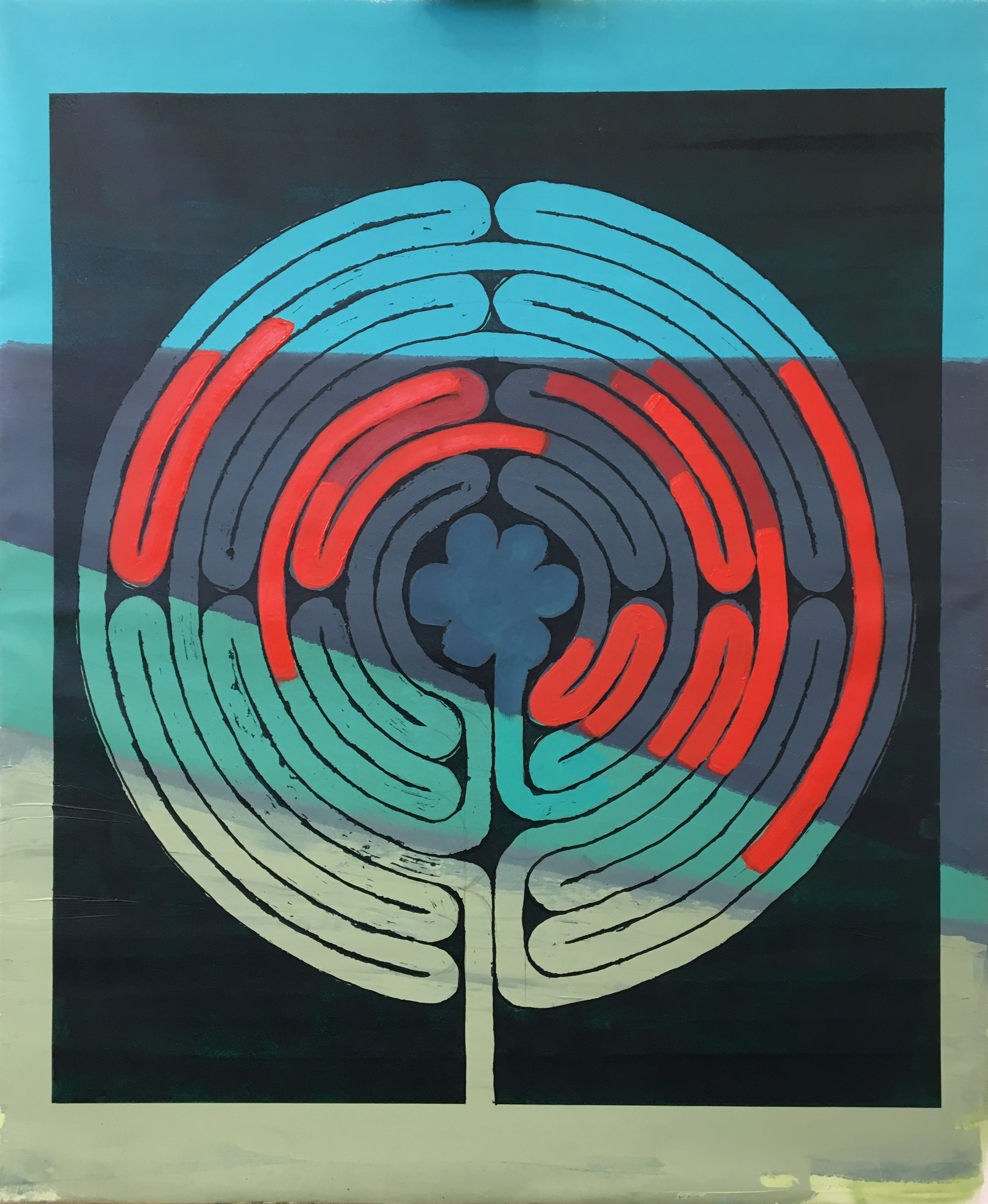
Some of my new metaphors are inspired by my recent artwork on prison cells and labyrinths. I am thinking about identity and data sharing in terms of “signatures”, “maps”, and “labyrinths”.

Labyrinth with two red lines - final

Petervan Artwork © 2018 - Labyrinth - Acryl on Canvas - 100x120cm

In essence, I believe we have to expand all dimensions of entities, data, and transaction context. In addition, we need to become more aware of a different type of scale. We have to start thinking about trillions of entities, sharing all types of data in real-time transaction contexts.

I believe that somewhere in 2012-2013 we lost the time window for VRM in its implementation as personal data stores in the cloud. There is so much data out there now (at FB, Google, your bank, your retailer, your hospital, etc.) that it is an illusion we will ever get back control over it. And even if we would be able to do that, the idea of a user taking the pain to pull the levers of control of their personal data locker is just ridiculous.

Open Banking and PSD2 may give us a hunch: what sort of new services would be possible to develop if banks (and by extension retailers, FB, etc) were forced by regulation to open and share their data. Not new services like a personal data store (PSD), but something more integrated with the daily experience.

For example, I don’t use my credit card to make payments, I use it to buy stuff. The credit card just works under the hood to give me a convenient buying experience. What would be the equivalent services enabling an experience like “I just buy stuff” when Open Banking and PSD2 live up to their promises?

We have to expand our dimensions

Many are confused by the privacy focus on personal data sharing. By now, I tend to agree that privacy does not exist online. I think privacy only exists in the off-line world and in the unspoken word/thought, not in what is being shared (intentionally or non-intentionally)

Privacy only exists Off-line

Privacy has to do with The Unspoken Data. In The Crisis of Intimacy in the Age of Digital Connectivity, Stephen Marche says:

“In an all-sharing world, what we don’t share will define us. The secret will be irrelevant because it is not on the network. It will be the part of us that matters.”

The DAG/Holochain/Solid/etc projects of this world won’t solve this. I don’t know what would solve it. I don’t know whether there is a problem to be solved.

“It can not work because we can’t own information”, says also David Brin.

The more critical question is “What kind of world do we want to live in?”, as in Apple’s CEO Tim Cook’s speech to the EU in Nov 2018.

He talks about “Human-centered technology” in the era of surveillance and misinformation. It is a call for regulation of the platforms and their relation with (mainly) personal entities. I believe we have to expand this.

The Cambrian Explosion of Identity has ramifications beyond platform-human relationships.

In an upcoming series of blog posts, I will expand the following dimensions:

  • Identity
  • Entities
  • Relationships
  • Transactions
  • Type of data
  • Context
  • Motivations
  • Governance
  • Entropy of information

Hope you’ll stay on board for the series.

petervan-signature

Big data and surveillance in cities: convenience vs tracking

being-observed-surveillance-02_Gerd_illustrations_13_01_16_v1-06_YellowSidewalk Labs is Google’s / Alphabet Inc.’s urban innovation organisation. Its goal is to improve urban infrastructure through technological solutions, and tackle issues such as cost of living, efficient transportation and energy usage (Wikipedia). Looking at their website, it’s full of ambitious goals: reimagining cities to improve quality of life, people-centered design, street safety, affordable housing, sustainability, people first, etc. In other words: do the right thing.

The Intercept takes a deeper look and presents a more skeptical perspective: instead of the usual statistical data, the project uses real-time location data, but it’s unclear where does data come from. The Intercept is also raising questions about how Sidewalk Labs sets limits in regards to the type and quality of consent; and – more worrying – its potential for corporate and government surveillance.

“If Sidewalk Labs has access to people’s unique paths of movement prior to making its synthetic models, wouldn’t it be possible to figure out who they are, based on where they go to sleep or work?”

“Replica is a perfect example of surveillance capitalism, profiting from information collected from and about us as we use the products that have become a part of our lives. We need to start asking, as a society, if we are going to continue to allow business models that are built around exploiting our information without meaningful consent”

Initially posted at Futurist Gerd

The currency of humanity (Joi Ito’s Practice of Change)

As mentioned in my announcement post, I have joined The Futures Agency as a curator on the topic of Digital Ethics. Together with Futurist and Author Gerd Leonhard, I am curating a weekly newsletter (Subscribe HERE), and some regular posts and podcasts on the topic. I will start re-sharing some of these posts on this Petervan Site. Here is one we did on Joi Ito’s “Practice of Change”.

In late 2018, Joi Ito, Director MIT Media Lab presented his draft Phd. dissertation on the “Practice of Change“. Organised in 6 chapters, he articulates how to intervene in complex systems. It’s a fascinating, long and deep read on how to keep our humanity at heart in this fast changing world. What is refreshing in this dissertation is that Joi is looking at a possible future where growth is not the main driver. He also seems to drop the notion of progress – in the sense of always more and better – and suggests a critical design to enable human flourishing.

A key graphic in Joi’s thinking is Krebs Cycle of Creativity, a synergy between science, engineering, design, and art. Joi expands on the motivations in such systems based on “currencies” as in “current-seas”, a term coined by Arthur Brock, founder of the Metacurrency Project and Holochain projects.

It really gets interesting when Joi explains the concept of “markets of currencies”. In economic markets, the currency is money. The Internet’s currency is attention. What would be the currency of humanity? (Hint: maybe happiness…?)

Initially published at Futurist Gerd

Petervan Update – Jan 2019

An overview on what happened the last couple of months, some new insights, some updated plans.

The Artschool Project

Artschool started again in Sep 2018, and begin Jan 2019 we already had our mid-year review: time flies. I had a good production during Q4 of 2018. Check out my art page on my blog.

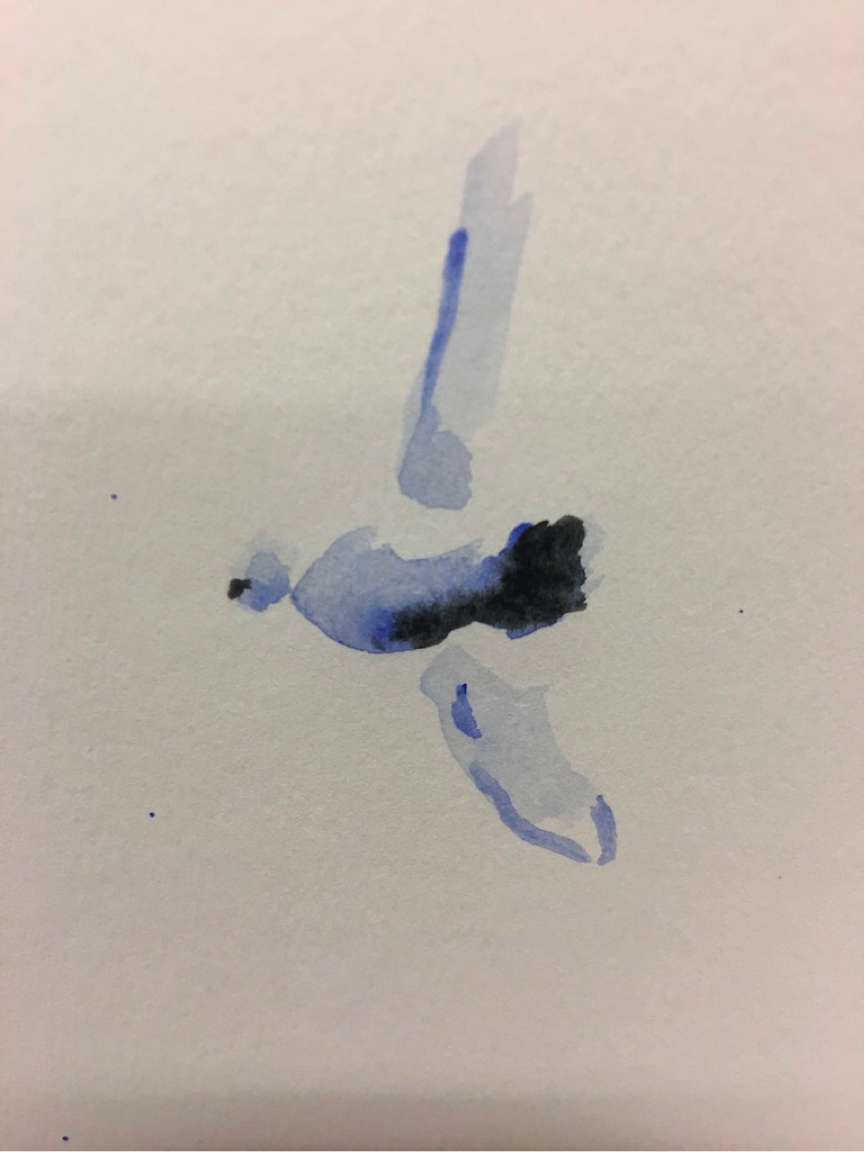
At the time of writing this post, I am practicing painting of birds, in preparation for a bigger painting with a swarm of 250 birds. Internalising the shape of the bird.

one bird

One bird in hand...

I did a lot of pieces on labyrinths & mazes, experimented with techniques as washing and spray, and created an installation with shaped canvasses.

shaped canvas

Shaped Canvasses

On the topic of the labyrinth, the plan is to create a big land-art-labyrinth of about 140 meters diameter that would be created with my uncle Hubert’s tractor on a field in Flanders. Probably when there is snow. Here is the sketch on a 1/500 scale

landart

Land-art-labyrinth scale 1/500

The paths are 4 meters wide, and 1 meter in-between each path. Total diameter is 140 meters. I contacted a surveyor and some friends who are willing to do a drone recording of the build-up and end result. It may cost some money, so I will have to find a sponsor to pay the production bill before we go ahead. Anybody?

Prison cell performance

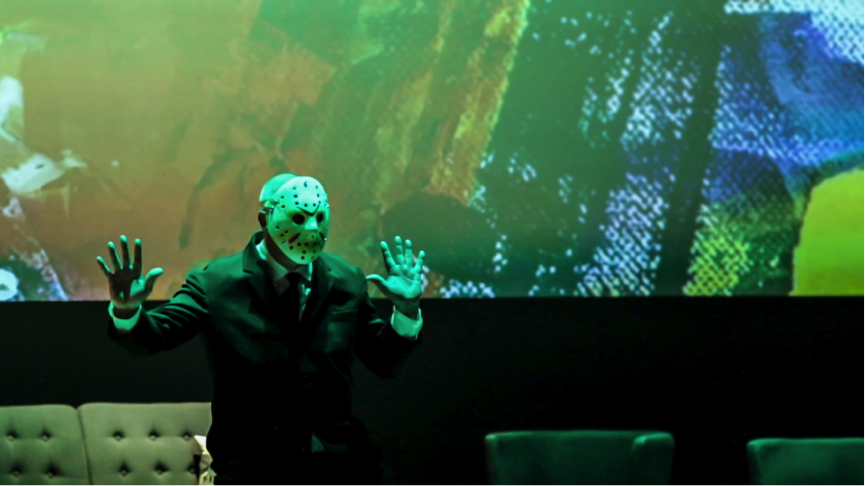
In my previous update, I already shared some screenshots from my Sep 2018 performance in Mexico. The whole thing was recorded and ready to go on YouTube. Although most of the soundscapes used were self-created, there was one 20 second snippet from Rammstein’s “Heirate Mich” that got captured by the YouTube licensing algorithms, so the organisers of the event were unable to upload the performance video to YouTube.

performance

Rebel Sequence Performance Petervan

But I do have the full video on my HD, and I’ll put it on a private shared drive. If you are interested, send me a message and I will send you a link to the full video.

Lesson learned: next time, ALL soundscapes will be mine ;-).

There are also a bunch of pictures taken, check out the gallery at The Futures Agency.

Time Capsules Project

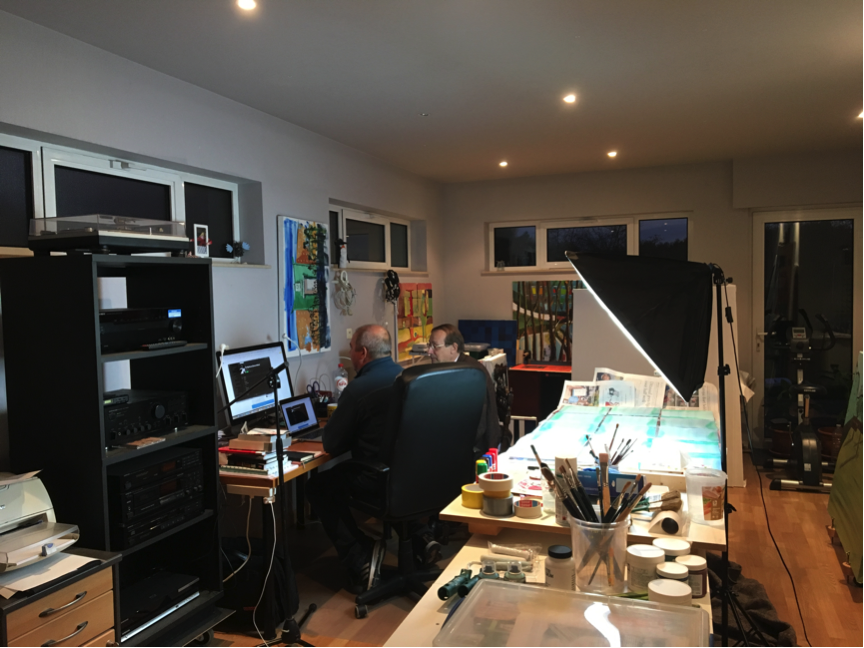
I continued working with my cousin Joost on the Time Capsules Project (see my previous update), and especially on the Beyoncé one. We now had two detailed viewing and commenting sessions in my studio, and we made transcripts of everything.

me and joost

Joost and Petervan in the studio
preparing Time Capsules

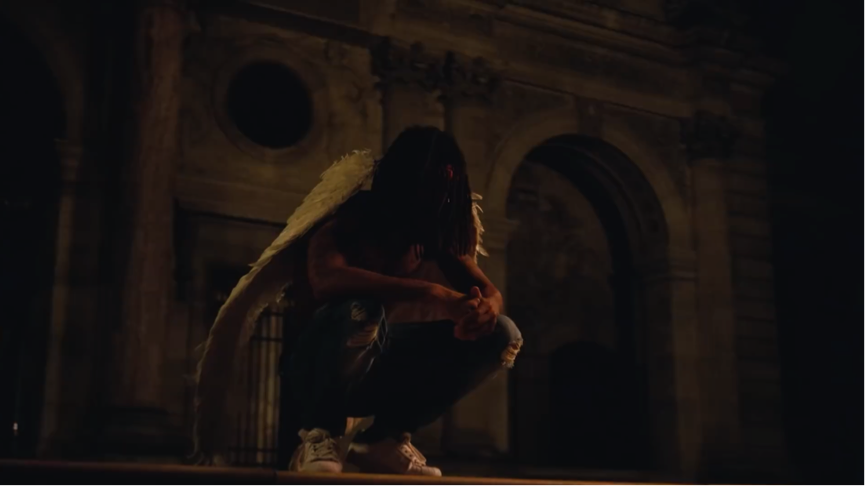
We are literally dissecting the Beyoncé-Apeshit video, and coming with alternative imagery and narratives.

As an example: in the beginning of the video, there is a crouching man with wings. In our re-make, we will inject for example imagery from Wim Mertens’ “Wings of Desire / Der Himmel über Berlin”

crouching man

wings-of-desire

Fairytale

Something I started writing in 2007, but never finished, until now. I published my first fairytale on my blog here. All illustrations are mine too. There is pattern here 😉

helicon

Helicon

Silence-is-Broken Project

The Silence-is-Broken Project (see previous update) resulted in some more silence-scapes.

Video is a bit shaky, so I got myself a new toy for the studio, the DJI Osmo Mobile 2 Gimbal . Will use it a lot for the other Time Capsules as well.

gimbal

Little Drops

I have started planning on longer term, using an alternative calendar.

  • A year starts on 27 April
  • A week is 11 days
  • The 11th day is a rest day
  • A month has 7 weeks
  • And we have 17 months in a year

The planning now looks at a 10-year period, till Dec 2027, when I – if still alive – will be 70, my wife 59 and my daughter 22. Puts things into perspective. Also, the week-calendar is organised in big chunks of activities, and open slots that are unplanned. And I am doing planning along phases of 20 (Gregorian) months.

For example, by week-11 of Year-1, I plan to organise my own exhibition of my own artwork. In the Gregorian Calendar, that is June 2020. And my 70th birthday will be on day-11 of week-1 of Month-12 of Year-3, and it’s phase-6 of my planning.

Somebody is having fun…

Exhibitions

I visited a lot of art exhibitions. About thirteen or so. Here are some impressions:

pieter jennes

Pieter Jennes in The White House Gallery, Lovenjoel

cindy wright

Cindy Wright in Castle of Gaasbeek

klimt

Franz Lerch – Mädchen mit Hut – 1929
Part of Klimt Expo

Finding interesting work

I am happy to report that end Jan 2019, I joined @gleonhard’s The Future Agency, as a part-time researcher and curator on Digital Ethics, and as a speaker/performer. See my announcement post here.

We think we are at a critical inflection point in the exponential growth of technology and we need a renewed focus on humanity and ethics. Listen to Gerd below on his ambition to create a Digital Ethics Council:

Digital Gerd suggesting a Digital Ethics Council

What’s next?

The plan for Feb – April 2019 is to work on:

  • Rocking the Digital Ethics boat
  • Private community test V1 of “Time Capsules” on Beyoncé
  • A landscape art version of the labyrinth of 140 meters in diameter
  • Paint, Paint, Paint

So, that’s it for this edition. If there is something worth reporting, next update is for Apr-May 2019.

Warmest,

petervan-signature


I have joined The Futures Agency

I am super excited to let you know I have joined Gerd Leonhard‘s The Futures Agency as a speaker and as a part-time researcher and curator.

Gerd is Futurist and Humanist, Keynote Speaker, Author, Film Maker. His latest book “Technology vs. Humanity” – published in 2016 – is a best-seller and has been translated in ten different languages.

I first met Gerd when curating the program for Innotribe@Sibos 2016 in Geneva, where we experimented with a new format for his keynotes, labelled “The Future Show Live”. After lots of rehearsals this resulted into a stunning presentation using the full real estate of a huge HD wall.

Gerd Leonhard speaking at Innotribe@Sibos 2016 in Geneva

Continue reading →