The Orphic Experience: We are all Argonauts again

In my post about Dub-Techno artist Adrian Sherwood, I referred to the book “Dub Techno – The Orphic Experience of Sound” by Bahadırhan Koçer to describe my sound experiments with dub.

As promised in that post, the most compelling part of the book appears in its opening chapters, where he introduces “The Orphic Experience.”

The short summary is in the video below, from 0:59 to 2:23. The latter part of the video is about the three key elements of dub-techno: spontaneous repetition, atmosphere, and embracing noise.

TL;DR: The orphic experience uses music to alter perception, evoke deep emotions, and influence the listener’s state of mind. It creates a unique space and time for introspection and reflection.

Let me unpack this in stages: first the “orphic” aspect, then the “experience” element, and finally a synthesis.

Orphic

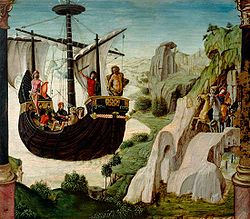
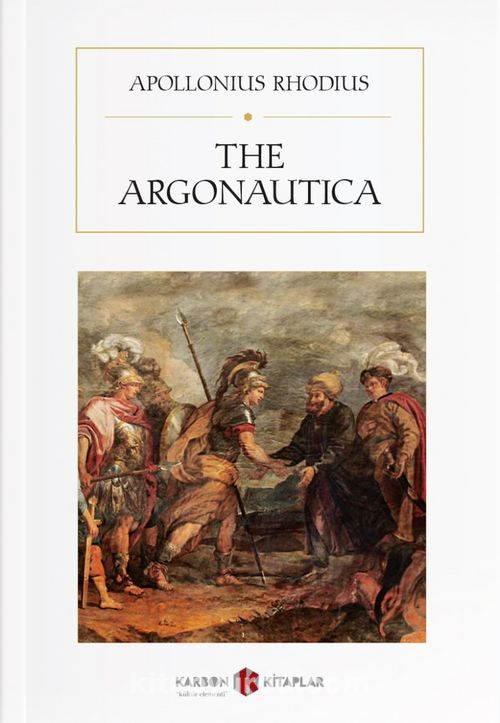
The “orphic” part originates from Orpheus, a character in the ancient Greek poem Argonautica, dating back to the 3rd century BC. The Argonauts are travellers on the boat Argo and are on a quest for the golden fleece. Somewhere along the route, sirens are trying to seduce the boatsmen. Still, Orpheus – a talented singer/musician on the boat – can shield the boatsmen from the Sirens’ temptations through his celestial, beautiful songs and voice. In other words, he was a noise canceller avant la lettre.

Some salient quotes from Bahadırhan Koçer:

The orphic experience, therefore, refers to the transformative way sound and media technologies can be used to control one’s sonic environment, creating a personalized auditory space that shields individuals from the overwhelming stimuli of modern life.

It is conceivable to argue that the nature of this transformation lies fundamentally in a shift from communal to individual listening.

The protected space needed for “sensory and emotional self-care”

In this sense, orphic experience can be seen as a way of escaping from the demands of the real world and constructing a self-contained, artificial reality.

By carefully curating their auditory environment and creating a personalized soundtrack to their lives, the individual can signal their taste and distinction to others, and distinguish themselves from those who do not possess the same level of cultural capital.

The “orphic” concerns the creation of a protected, isolated space in which the rules constraining clear thought can be suspended.

Experience

The second part is about “experience”. The words “Narrative” and “Experience” have become catch-all words. Washed-out. Weak. And they all suggest a passive audience.

Also here, a David Claerbout quote is appropriate:

I think the recent proliferation of black boxes for film and video-art is not just a practical solution to a problem of sound and light interference, but also reflects an incapability to coexist. This can become apparent in large group exhibitions, where media installations appear strong when they are shown by themselves in a small or large dark space, but they easily collapse when shown in a social space where people move about and interact. The black box is a social phenomenon, for me it is a problem.” Ulrichs, David, ‘David Claerbout. Q/A, in: Modern Painters, May 2011, pp. 64-66

“Designed Conspiracy” would be better to describe what I have in mind. With an active audience. Or even better, where there is no stage hosting the expert speaker and no passive audience just leaning back in chairs, incapable of truly internalising knowledge.

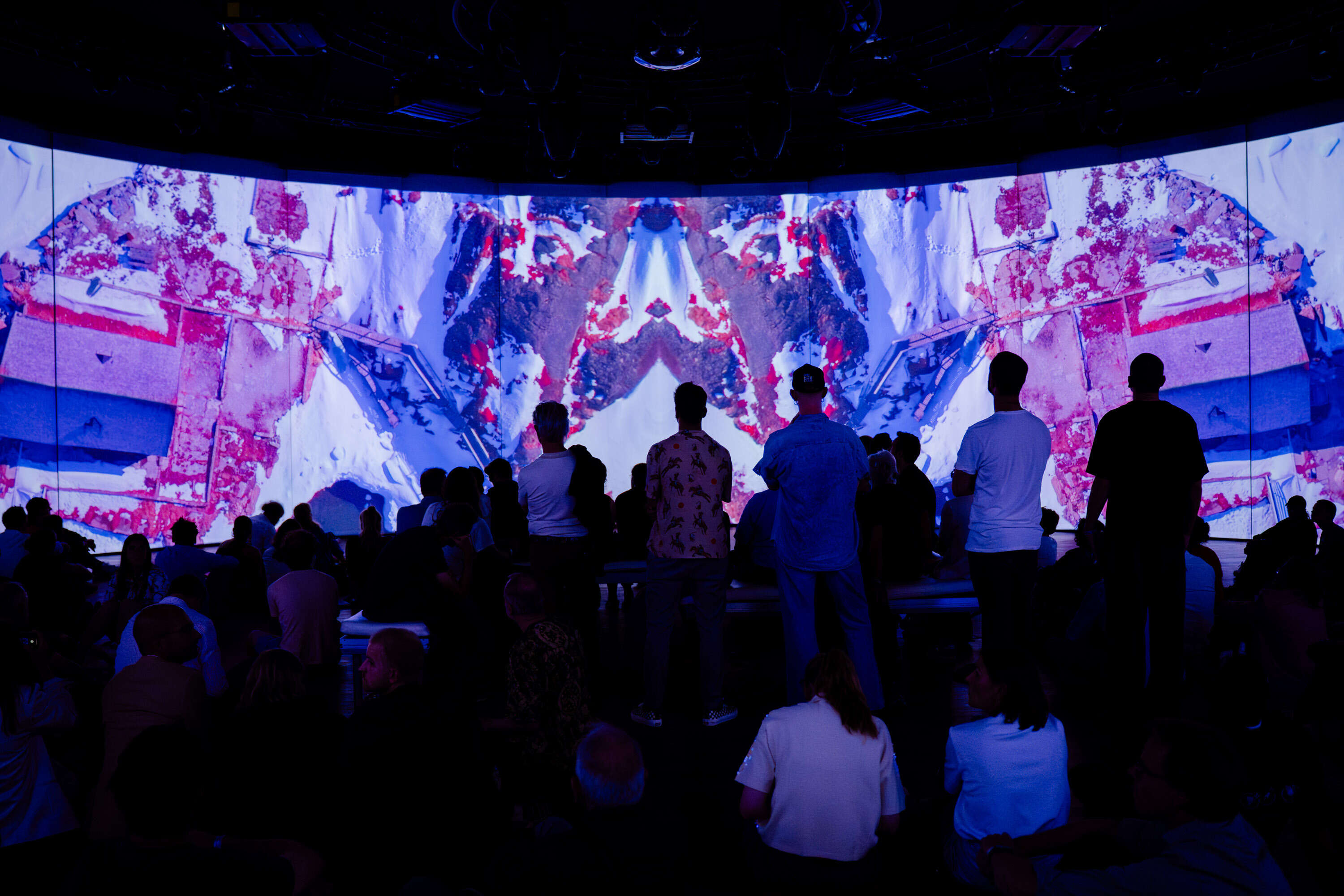
I imagine us inside a 360° immersive room: a six-metre-high LED screen, full 360 Dolby Atmos sound, LiDAR tracking, and high-definition cameras—paired with exceptional content and facilitation. A complete experience in a box, ready to tour and deploy anywhere in the world. Am I exaggerating? Maybe not. I’ve just met someone who is building exactly this.

Synthesis

Obviously, I am using all of the above as a metaphor to try to explain what I do with my artistic interventions, provocations, and interruptions. These qualities inform my work/play. Whether that is soundscapes, installations, performances, or group expeditions.

Now that we have our protected, isolated space and a designed conspiracy, it is time to play the music. Music is the content. Content is the music.

Experiencing our music – individually or as part of a group – can feel like a trip, a trance, like digital psychedelics.

The music/content is presented in the right space, with the appropriate emotional and psychological atmosphere—the backdrop, if you will—inviting and sustaining safety, interest, curiosity, awe, and growth.

The rhythm is softer, slower, quieter vs. harder, faster, louder.

We embrace – and even design – flaws and imperfections, spontaneous repetition, and noise, inviting the participants to connect with being human, and to internalise the content at an embodied level of sensory experience.

We design with fifty shades of sophistication: avant-garde activism shaped by counterculture, driven by intention and direction. We build a relational infrastructure capable of holding shared ambitions, carrying a map as a symbol of movement, of becoming. These are maps that make meaning—shifting the question from the adolescent “Where are we going?” to the more deliberate “What direction do we want?”

We are all Argonauts again. We are experiens-explorers. We want to create the right spaces and conditions for debating the new rules and the associated structures of reality, then acting them out as if those rules were in place. As explorers, we want to play with new rules to dream, new rules to hope, but also – not to sound too cheesy or utopian – new rules to suffer and cope with what is evil and sin. In that sense, we become all part of a shared conspiracy.

We are not in the business of homo sapiens, ludens, or faber, but in the business of homo experiens.

Inspiration: Stefan Vanfleteren

Sometimes, the silence of the sacred and the touch of chance awaken something deep within.

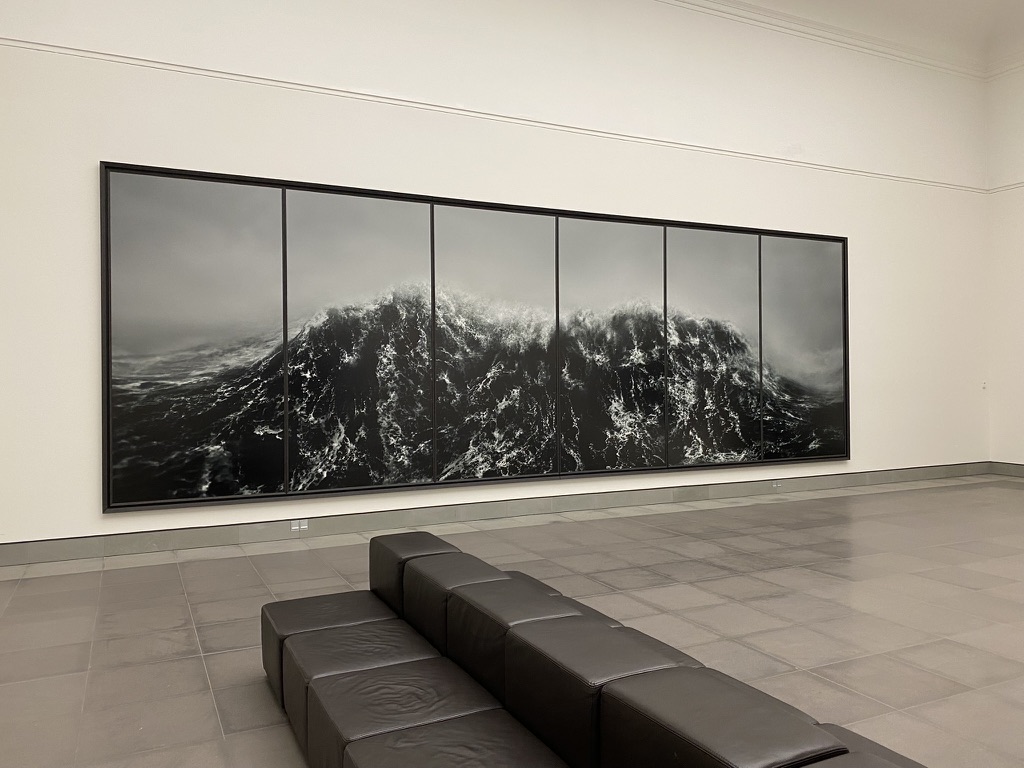
This is what happened to me when I once again found myself confused by beauty, when visiting the Stefan Vanfleteren exhibition “Transcripts of a Sea” in the Museum of Fine Arts in Ghent.

“In 2020, photographer Stephan Vanfleteren embarked on a challenging project that culminates in the exhibition Stephan Vanfleteren. Transcripts of a Sea at the MSK Ghent, during autumn and winter 2025. The exhibition is the conclusion of a long quest, not only into the depths of a body of water, but also into the essence of artistry – Vanfleteren’s answer to what complete artistic freedom can mean.”

You can find good-quality pictures on Stefan Vanfleteren’s website. That page also includes some paragraphs about Vanfleteren’s practice and his approach to this project. But the experience in the museum is way superior.

First, there is the silence. When you close the door between the entrance hall and the exhibition space, the noise of the city is cancelled, and it feels like you are entering a sacred space. The silence also slows you down. Your steps are more measured, respectful. Your breathing adapts.

Second, there are the artworks. Huge, super high-quality photographs of the North Sea. Most black and white. They radiate the same sacredness as the paintings of Gerhard Richter. They incentivize introspection. The artworks are positioned in conversation with actual sea paintings of famous painters. The difference between painting and photography blurs completely.

I begin to wonder, leaning in to scan some of the photographs up close. It feels as if I’m standing in the sea. It’s something I have done before, with paintings, sculptures, and bodies. This close-by scanning is a different eye-set that adds a new aspect to my artistic practice. Here is a “scan” of one of the paintings…

Third, there are the information panels—their texts are as beautiful and inspiring as the paintings themselves.

Here is an example of the panel poetry:

The North Sea is not azure blue, but rather a medley of grey, green, and brown hues, shifting with the mood of the weather. Through those muted, muddied, and sullied reflections, the white foam crashes in the surf – boiling with fury or dripping with desire between land and water. Even the tallest wave eventually lands flat on its stomach. The surf as a postscript of a long journey.

At first, I sought to capture the sea as faithfully as possible. But gradually, I realized it could never be truly reproduced. It is precisely the art of letting go that has led to fascinating and challenging results. Chance, failure, and experiment became ever more important. embraced the unexpected quirks of my camera: motion blur, miscalculations in focus distance, and unforeseen colour casts.

The absolute freedom found in a confused autofocus, incorrect exposure, or unintended framing became a blessing. And I allowed the scratches, mist, droplets, and salt stains on the camera’s protective glass to remain, trusting in the unexpected. In fact, I chased my own delightful failure.

I am reminded by this Gerhard Richter quote:

When I walk out, I am overwhelmed by the sheer effort and attention to detail it took the artist to land an exhibition like this. Just watch the logbooks at the end of the expo.

Picture by author

There is also a film screening of “The Tide Will Bring You Home” by Basile Rabaey, who followed Vanfleteren during his five-year sea expedition. But the small film Black Box was too crowded to make this a joyful experience. So, I skipped that, hoping the film will appear sooner or later on the Internet.

Basile Rabaey

A tapestry of slowness, silence, and chance. “Transcripts of a Sea” runs till 4 January 2026 at the MSK in Ghent.

In Limbo or Not? – A Timeless Day at the Castle of Gaasbeek

Picture @petervan

I went to the premiere exhibition of David Claerbout’s The Woodcarver and the Forest at the Castle of Gaasbeek. I went by bike, for me, a two-hour ride each way, on a warm sunny day through the Pajottenland, the region southwest of Brussels where I spent the first 25 years of my life. Cycling up and down its rolling hills stirred deep emotions and memories of my youth. This is the land of Bruegel, of Geuze and Lambic beer, of Remco Evenepoel. It is also, unmistakably, my land.

Before arriving at the castle, visitors walk about 15 minutes from the entrance through a carefully tended, forest-like domain. The path itself already feels like part of the experience, drawing you gradually into a slower, quieter, almost meditative state.

There is also a 2-hectare Museum Garden.

Picture © Fabrice Debatty

A top-level garden modelled on castle gardens from the 18th and 19th centuries. A strong example of living cultural heritage. Take a stroll through this magnificent Garden of Eden, with the old-model fruit repository, the beehives, and a wonderful view of Gaasbeek Castle and the Pajottenland.

I lingered in the garden for some time, sitting on a bench and gazing at another bench across the way, the two connected by a loofgang—a leafy tunnel formed by pear trees. I simply sat in silence, doing nothing. Eventually, I walked through the shaded passage to the other side, before making my way to the castle. In hindsight, the video I captured carries an unintended sense of suspense.

Once inside the castle, visitors are guided along a signposted route. Along the way, I captured this video of sunlight filtering through stained glass, casting vibrant patterns onto the wooden, carpeted floor.

The Claerbout installation awaits at the very end, rising three stories high beneath the roof.

From the brochure:

This work is Claerbout’s latest creation and presents itself as an intimate portrait of a reclusive young man. Do you feel the meditative effect of the slow, repetitive movements and their sound?

Specific audiovisual stimuli – such as soft sounds or rhythmic movements – can evoke feelings of relaxation and inner calm. This phenomenon is known as ASMR (Autonomous Sensory Meridian Response) and forms the foundation of this work

The Woodcarver and the Forest is an open film, which is completed using generative artificial intelligence. As a spectator, our experience also remains open and unfinished, partly due to the long duration of the work.

This reveals the dual nature of the film: an interplay between pleasure and sorrow, beauty and destruction.

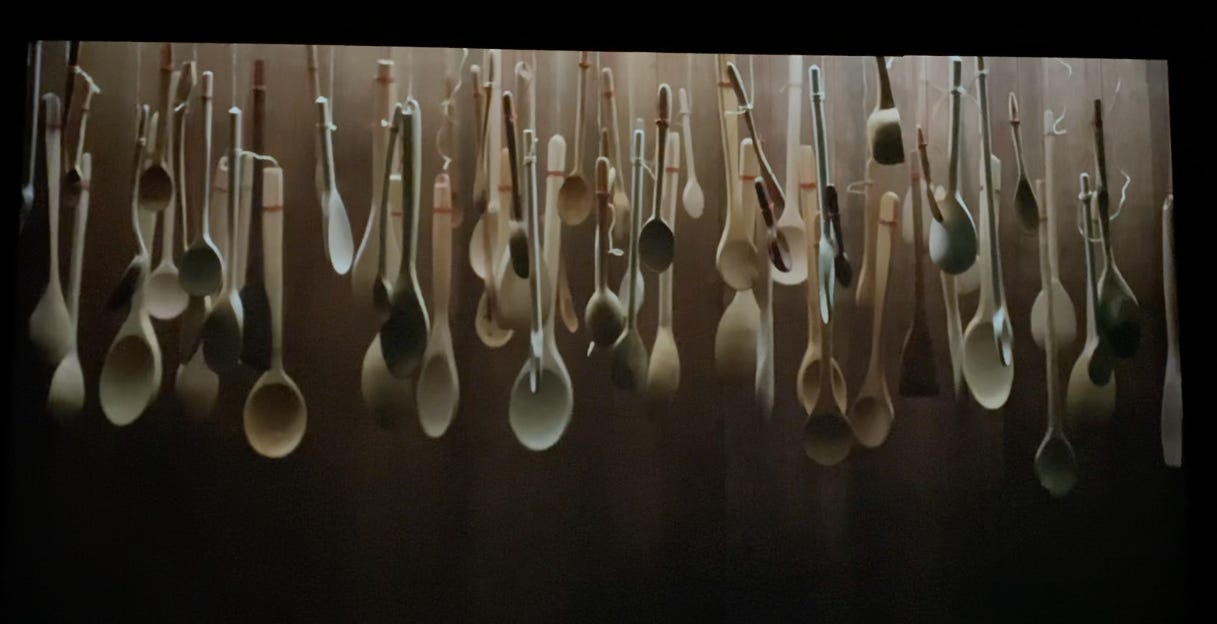
Still from Claerbout’s video installation – picture by @petervan

I sat in there for more than one hour. It put me in some state of limbo about my own work and where I want to go next. Following Google’s Gemini AI, it means “to be in an uncertain, undecided, or forgotten state where nothing can progress or be resolved, similar to being caught between two stages or places.”

I am a big fan of David Claerbout. See previous entries on this blog here. The Woodcarver gave me the chance to revisit some of Claerbout’s earlier works and conversations, while also helping me reconnect with the artistic drive within myself.

Here is a more recent talk by David Claerbout

Some interesting quotes

Change your mind-set ànd your eye-set, from inquisitive to open-ended

The Brain does not choose sides; it does not know how to

And around minute 18, he gets into a very interesting schema of “former” AI technologies. He really got me when he says “the camera is a profoundly liberal invention” and later “around the 2000s, we start to think of visual culture as a assemblage, the coordinate system is back, and a coordinate system knows exactly where you are it has exact points in space it can find you back and instead of a liberal body in a world that could be anything anywhere it changes into a pinpointing in a space that so we we get a gathering of coordinates and we’re no longer free” 

In closing, he shares reflections on recent readings that explore AI, vision, and the language of thought.

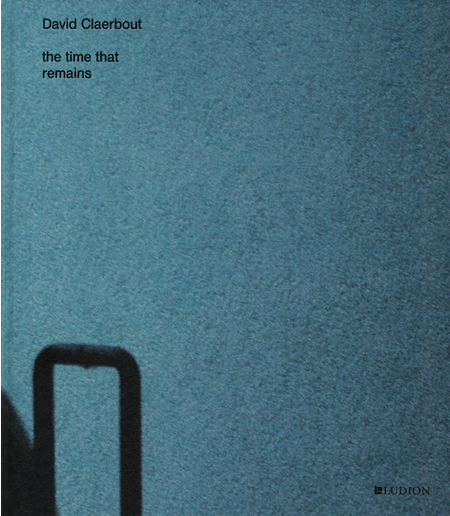
After watching the video, I visited the University of Ghent library—you can get a visitor’s pass as a non-student for €15 per year, granting access to all of the university’s libraries! There, I picked up the book The Time That Remains, a title that resonated with me on two levels: first, the concept of time, so ever-present in Claerbout’s work; and second, the realization that I am approaching my seventieth birthday, prompting me to reflect increasingly on the time I have left and how I want to spend it—especially in my artistic practice, if I can even call my tinkering that.

From the intro:

This publication marks the welcome collaboration between internationally acclaimed Belgian artist David Claerbout and two European institutions: Wiels, Brussels and Parasol unit, in London. The publication accompanies Claerbout’s exhibition opening at Parasol unit, on 30 May 2012; but it also provides a highly appreciated documentation for Wiels, which held a solo exhibition of Claerbout’s work, The Time that Remains, in 2011.

It’s from 2012, but the content is, well, timeless.

Some quotes/insights from that book.

I think the recent proliferation of black boxes for film and video-art is not just a practical solution to a problem of sound and light interference, but also reflects an incapability to coexist. This can become apparent in large group exhibitions, where media installations appear strong when they are shown by themselves in a small or large dark space, but they easily collapse when shown in a social space where people move about and interact. The black box is a social phenomenon, for me it is a problem.” Ulrichs, David, ‘David Claerbout. Q/A, in: Modern Painters, May 2011, pp. 64-66

+++

Time is invested into something that will prove to be valuable and productive. By consequence duration’ becomes increasingly expensive. But duration can only be free if it is unproductive.”

+++

Cinema, YouTube and film-festivals demand the prolonged physical immobility of the viewer. Music, exhibitions or a walk in the park don’t.

My sense of being in limbo stems from a hesitation: to move further into abstraction rather than figuration, toward longer forms rather than shorter ones, toward meditative sound and video landscapes rather than straightforward documentary. It also comes from my struggle to resist the banality of social media—where time is squandered on addictive, bite-sized fragments of content that ultimately feel useless.

I believe I know the answer, yet I dare not leap just yet.

Who will be the one to give me a gentle nudge?

Is this still needed?

Petervan Studios – April 2025 Update

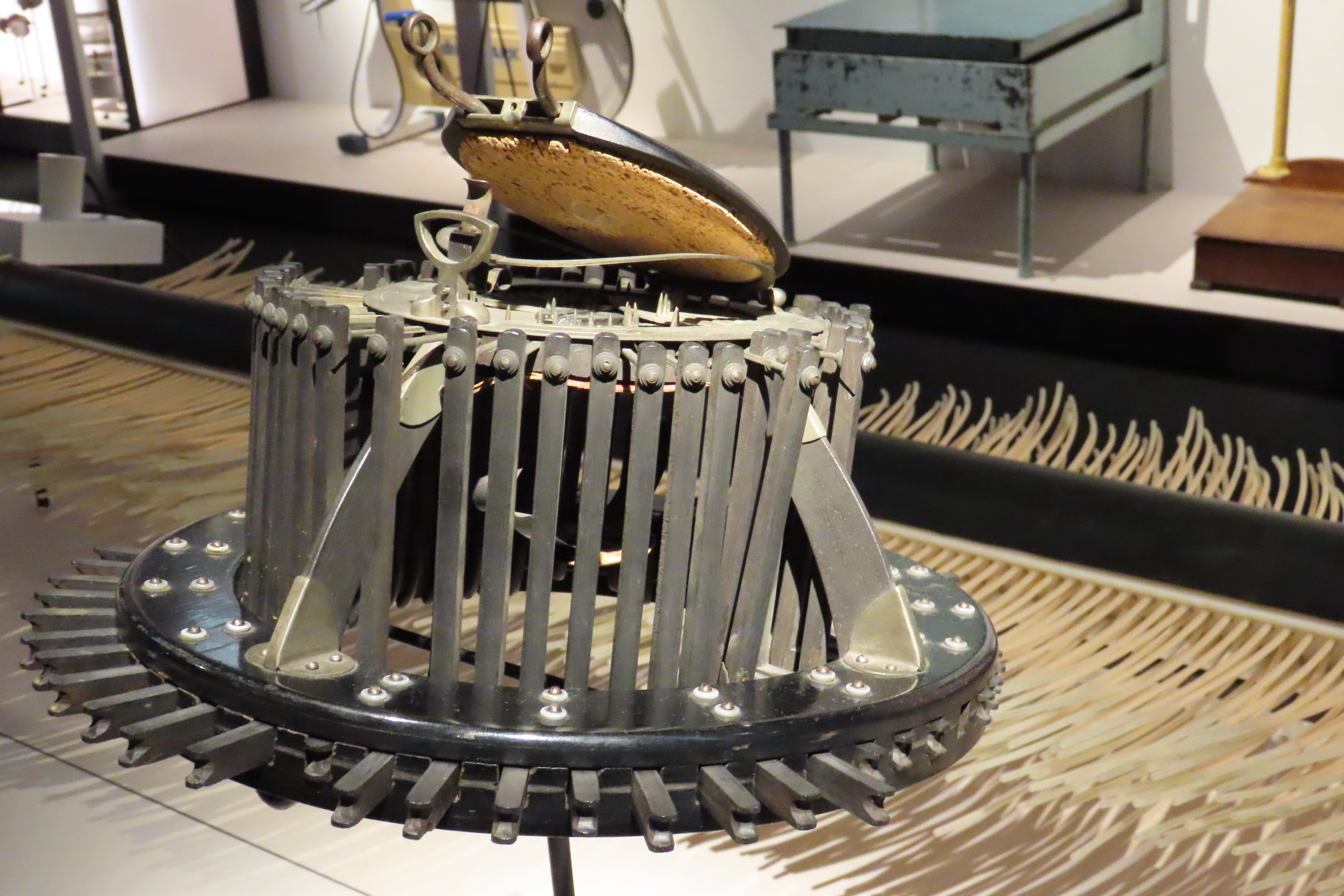
Head measuring device – seen in GUM Science Museum – Wunderkammer of Truth

General Status

Green Green Grass of Hope – Bicycle ride 26 Oct 2024

The Art Studio

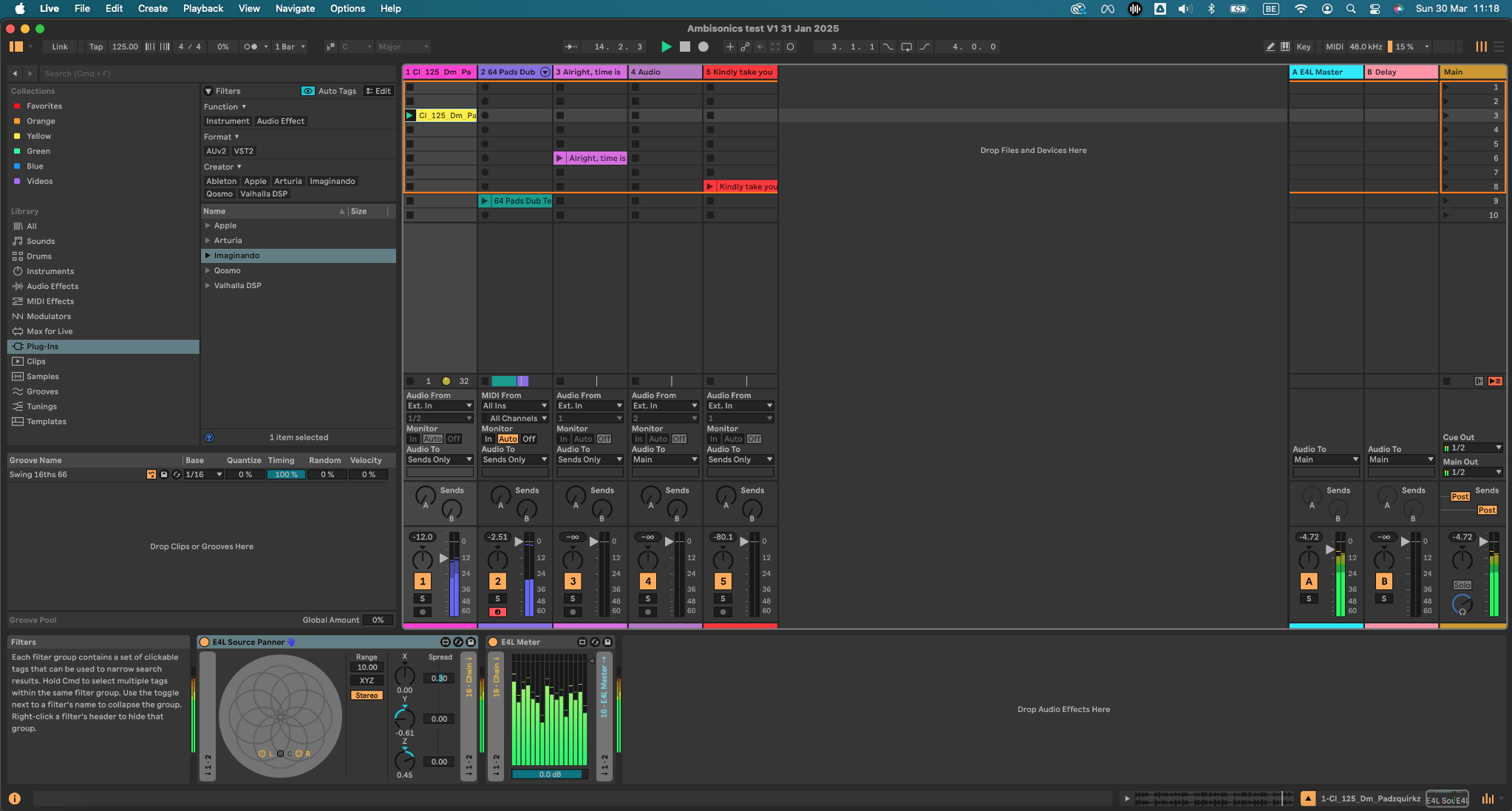
Example of Ableton Live with Envelop for Live 3D Source Panner

An example of a simple VCV Rack set-up

Static example from Wave Unstable rule in CAPOW software by Rudy Rucker

Petervan Studios © 2025 – Seaside – Acryl on Canvas – 80x100cm

Crop from Curves work Anni Albers – Gouache on paper – ca 1955

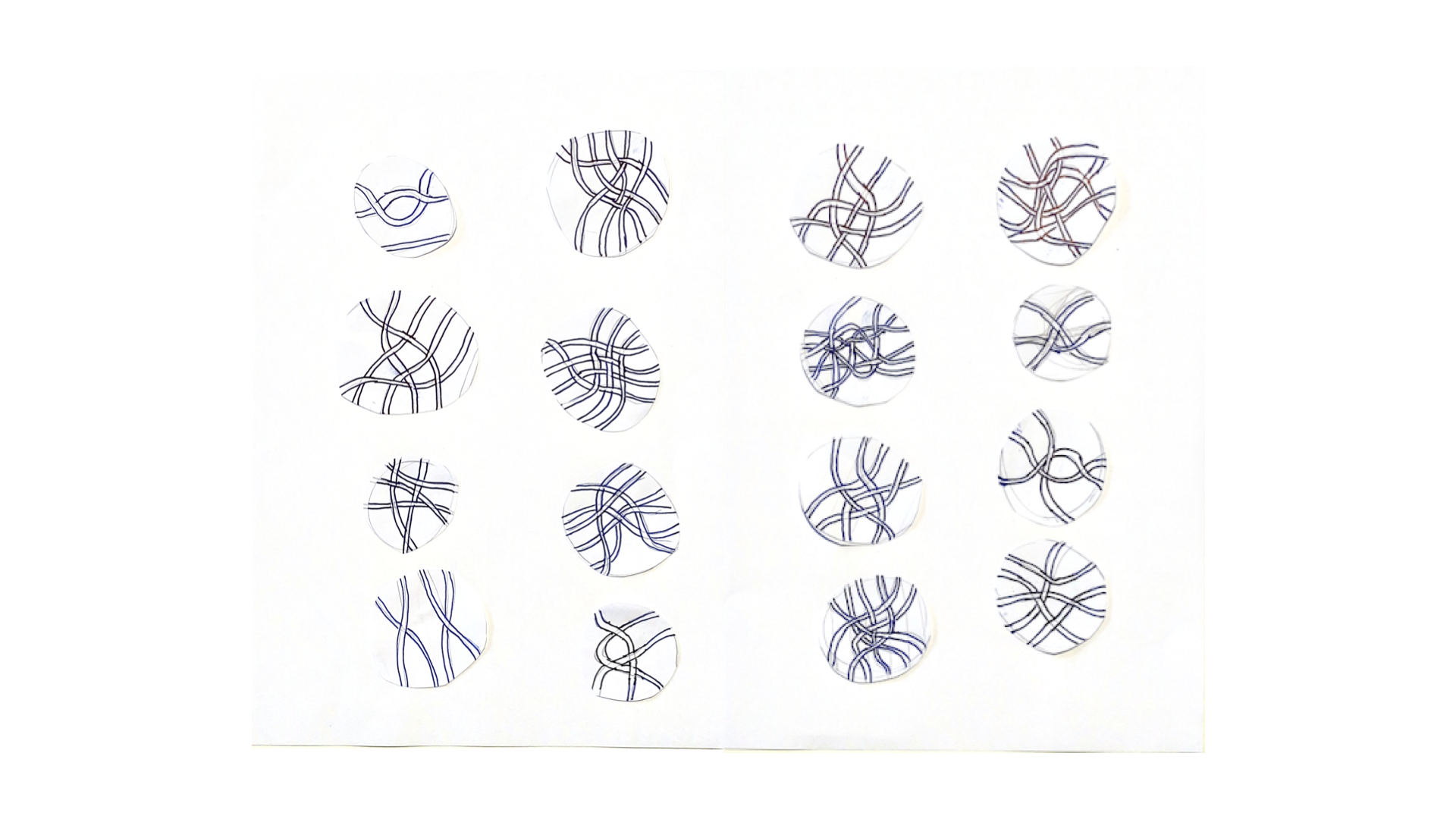
Petervan Studios © 2025 – Braid Amulets – Chinese Ink on A4 printer paper

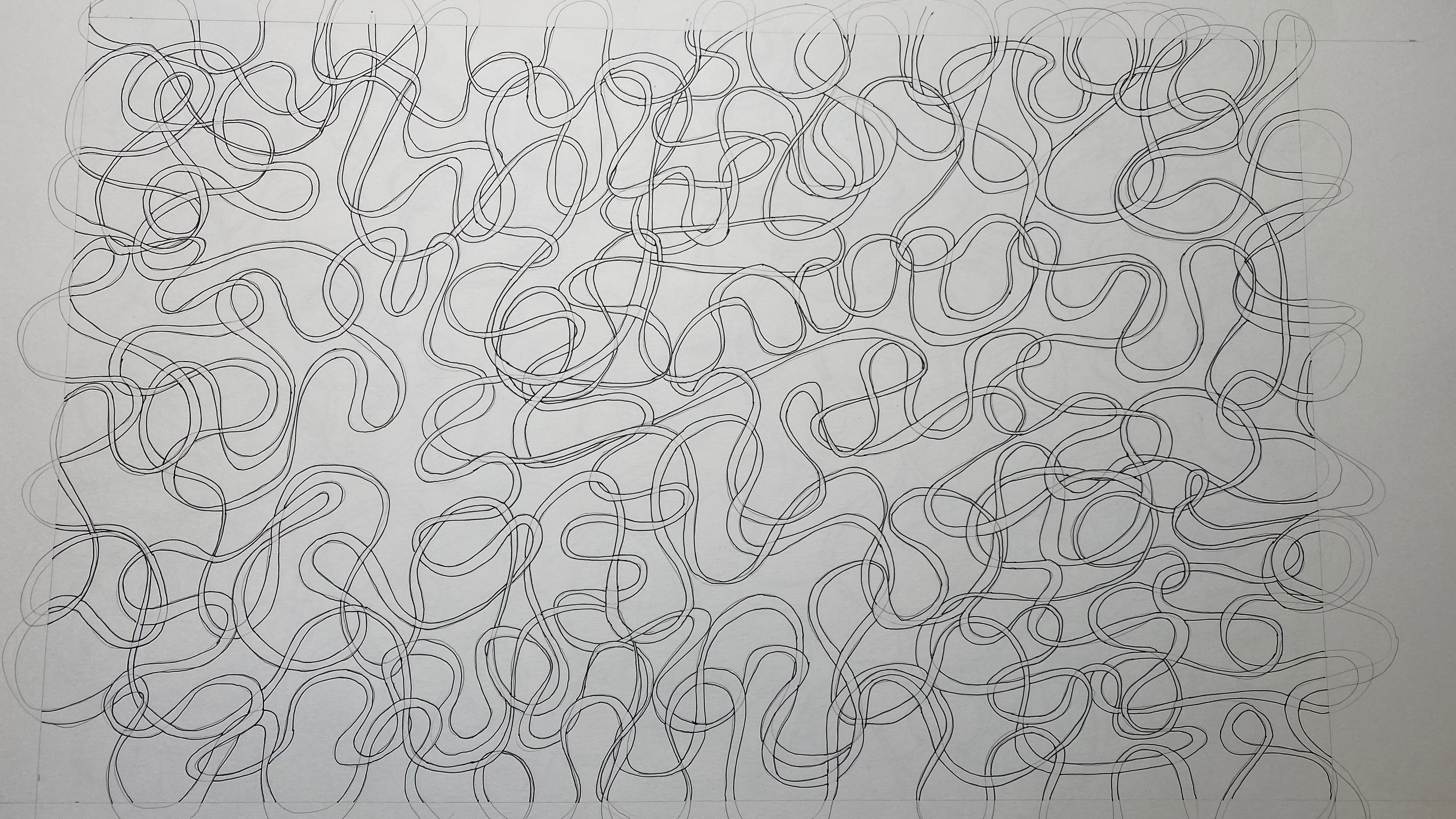
Petervan Studios © 2025 – Gnarly Curves – Chinese Ink on Steinbach A1 paper

Petervan Studios © 2025 – Gnarly Curves – Digital in Procreate iPad

Back to School

Summer of Protocols 2024 (SoP24)

Toolmaking for Spatial Intelligence

Masterclass XR in Industry

1) Unity Essentials

2) Enhanced reality use cases

3) Enabling remote expertise (remote assistance)

4) Augmented inspection (BIM/3D concept visualization)

5) Visualizing the unseen (IOT data visualization/digital twin)

6) Virtual control (interaction with machines/robots via XR)

Performances

Performance: Claim Your Cybernetic Word – 17 June 2024

Resulting world cloud

Performance: What Makes Us Human? – 28 August 2024

Trailer: 

Performance: New New Babylon

Performance Dream My Dream

Trailer

17 Minute Video simulation of the performance

Artistic Research Project: New New Babylon

  • A beta version of an Urbanistic Artistic Rendering VR Environment, inspired by an existing or planned City or Real Estate project
  • Artistic Performance (minimum Online, ideally IRL), see above
  • Art Book

Stealth

A theory of space/time dimensions

Concept drawing by Petervan Studios © 2025

Image generated by Gemini 2.0

Delicacies

Books

  • Geometry, Relativity and the 4th Dimension – by Rudy Rucker (1977)
  • Love & Math – by Edward Frenkl (2013)
  • Behave – by Robert Sapolsky (2017)
  • Mind in Motion – by Barbara Tversky (2019)
  • Soft City – by David Sim (2019)
  • and re-reading The Lifebox, the Seashell, and the Soul – by Rudy Rucker (second edition 2016)

For other books I am reading, see my GoodReads.

Exhibitions

SMAK – Ghent – Tarek Atoui

Sarah De Vos – detail – Galerie Sofie Van de Velde

What’s next?

  • The “Dream My Dream” performance 
  • The New New Babylon project
  • The Stealth Project
  • XR in the Industry Masterclass

Petervan Studios – Update Dec 2023

As we close the year, here is the latest update on Petervan Studios.

The previous update was in March 2023. In a sense, this update is an update on the whole year. A lot has happened since then. A lot did not happen. An overview.

Quick catch-up

I studied architecture (art school), never practiced (dropped out), and stumbled into a nice corporate career. In 2017 I took a sabbatical and never went back. I left the corporate world. I am now officially “retired”

Family

On 18 Dec 2023, Astrid became 18 years, officially “of age”, driving our car (good driver, final exam in Feb 2024), and started higher studies (a four years bachelor nursery), and horses, of course. And in May, we celebrated our 30th wedding anniversary. Time flies. Happy times.

Cosy Birthday Breakfast for Astrid

The Art Studio

The Art Studio is nicely rippling along. I did not have the feeling that I accomplished much, but with hindsight, it’s not too bad, and there are a lot of good foundations for the year to come.

Some of the new projects include:

Hexagrams

Claim your word

Something has dissipated

New paintings

New digital artworks

New soundscapes

Experimenting with interfaces for IRL and VR installations

You can find most of them via the “Artworks” tab on my website

© Petervan Artworks 2023 – Pears – Acryl on Canvas

The “Something has Dissipated” project got some traction. There are now about 20 spoken language versions by real humans, including Mongolian and Chinese. But also some synthetic non-human avatar versions like this one:

I registered for the Stability.AI residency by the HUG Innovation Laboratory, participating online between 8 Jan and 18 Feb 2024.

In the planning is a personal solo art exhibition in VR coming and maybe IRL. Some installation concepts will try-out first in VR, and maybe later IRL.

A new performance lecture “City of Play” is in the making, about the New New Babylon (and the power of imagination). No specific target date. I have time, and it has to be right.

New New Babylon – City of Play

I am kind of obsessed with the New Babylon project of artist Constant Nieuwenhuys, who co-founded the avant-garde COBRA art movement in the 1950s. 

For 25 years he worked on New Babylon, an imagined city for the playful and creative human being. The oeuvre consists of hundreds of drawings, sketches, and maquettes. His work was inspired by the book Homo Ludens by Johan Huizinga.

The NEW New Babylon is an artistic research project where we use 2023 technologies.

At the time of writing, we are trying to set up a team/consortium to overlay an existing city (district) with a VR environment for A/B Testing of the urbanistic, economic, and governance aspects of the city.

It probably will involve expertise from worlding experts, interactive fiction, procedural games, autonomous worlds, protocol language patterns, etc

More high-level info here: https://petervanstudios.com/new-new-babylon-city-of-play/ .

I have more details, so if you are really interested in putting skin in this game, DM me.

Performance

The script is more or less done now. Starting to make the first soundscapes for this. 

This trailer of Hilma af Klint’s “The Temple” experience keeps haunting me. 

As well as this painting by Léon Spilliaert from 1908 called “De Duizeling” aka “The Dizziness/Vertigo”

At this moment I am exploring a whole slew of tools: videosync, BEAM, BAM, Procreate Dreams, Capture for scene design, and spending lots of time on learning/trying to understand Blender, Unity, Unreal Engine, new Ableton packs, the new version of Apple Logic Pro X, and hopefully soon Apple Vision Pro.

Timing slips. No problem, I have time. And it has to be right. And not sloppy.

Delicacies

Delicacies are back! This time on Substack

Writings

Loads of notes, draft blogs, reflections, etc in the pipeline. When I look at some of the material, it feels like I am in a different reality.

The next one is probably about wormholes.

No idea when and if I will publish what when.

It’s probably going to come in bursts.

Books

Highlights:

Making Meaning with Machines: Somatic Strategies, Choreographic Technologies, and Notational Abstractions through a Laban/Bartenieff Lens

The Entanglement: How Art and Philosophy Make Us What We Are

Other books I am reading: See my GoodReads:

https://www.goodreads.com/goodreadscompetervan

Exhibitions

Since March 2023, I visited many art exhibitions and galleries. If I had to pick one or two highlights, it would be Jan De Vlieger at Mudel and the Inspired By Love expo at Belfius Art Gallery. Picture below is work by Emilie Terlinden.

Detail Jan De Vlieger’s San Marco People – picture by Petervan

Detail of Emilie Verlinden’s The Farm 2023 – Picture by Petervan

Also, the works of David Claerbout and his practice are a continuous inspiration for my own work. Here is a great talk by David at Schaulager Basel as part of the Out of the Box exhibition.

David Claerbout discusses a range of artworks, among them Nightscape Lightboxes (2002-2003), Wildfire (meditation on fire) (2001), and Backwards Growing Tree and Birdcage (both from 2023), the latter two on show at the Gallerie Greta Meert in Brussels till 3 Feb 2024.

What’s next?

I don’t know. Focus areas are:

The New New Babylon project

The upcoming solo exhibition in VR

The Performance

But some promising smoldering sparks deep in the campfire may suddenly light up. Life is full of surprises. Only the fool don’t change their mind.

So, that’s it for this edition. 

Happy New Year to all of you!

If there is something worth reporting, the next update is for April 2024. 

Warmest, 

When Architects Swim

Many of my readers know I was trained as an architect. Some of the rhythms, insights and passions of that profession continue to weave into my work and my sense making.

Just over the weekend, I completely randomly bumped into a very well done interview with star-architect Rem Koolhaas in Flanders’ business newspaper “De Tijd”. It’s in Dutch, but I found it so inspiring that I translated the juiciest chunks of that interview, with some personal context around that.

Rem Koolhaas (70) founded the Office for Metropolitan Architecture (OMA) in 1975. Besides its headquarters in Rotterdam, the agency has offices in New York, Beijing, Hong Kong, Doha and Dubai. He is also a professor at the Harvard Graduate School of Design and wrote important publications on architecture, such as ‘Delirious New York’ (1978), “S, M, L, XL (1995) and ‘Content’ (2004). In 2000 he was awarded the Pritzker Architecture Prize, the Nobel Prize for architecture.

322_1rem_koolhaas_oma__portret_portrait__copy

Portrait Rem Koolhaas O.M.A. Office for Metropolitain Architecture shoot for Andy Warhols INTERVIEW, Russia © Ronald Tilleman all right reserved

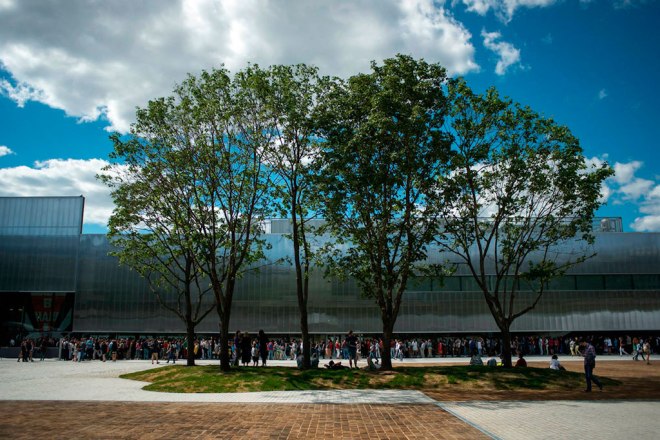
The interview was made in the context of the opening of the Garage Museum in Gorki Park.

Garage Museum

It was Dasha Zhukova, the 34-jarige spouse of Russian multi-billionaire Roman Abramovich who approached Koolhaas to build “her” museum. Thanks to the deep pockets of her husband, she ensured herself this way of her own name and fame in the international jetset and art scene.

I really encourage you to watch this great promo-video of the museum. It is so inspiring when you start thinking about musea as educational spaces. Look at the wondering faces of the kids in that video. Think on how educational immersive experiences are becoming so key to our understanding and sense making. The Garage Museum is run by the Post-Soviet generation and that is so refreshing. And – surprise – it includes fragments by performance artist Marina Abramovic.

Her work explores the relationship between performer and audience, the limits of the body, and the possibilities of the mind. Active for over three decades, Abramović has been described as the “grandmother of performance art.” She pioneered a new notion of identity by bringing in the participation of observers, focusing on “confronting pain, blood, and physical limits of the body.” (from Wikipedia).

It is a coincidence – or probably not – that performance, improvisation and new notions of identity cross my path again, and makes me reflect again of my work as event-creator evolving gradually into experience, romanticism and mystery.

But back to the interview. The journalist kicks off with an observation about the label of “star-architect” and how that is associated with neoliberal money-grubber who designs antisocial icons for the private super rich.

Rem Koolhaas reacts:

“Since the beginning of the 21st century, there is increasing attention to an ever smaller group of architects, of whom one expected to produce ever more spectacular buildings. Especially in high-rise commercial noticeable increasing pressure to make extravagant, rare designs. “

“Since the triumph of the market economy, the relationship between the public and the architect is cut. The takeover of the market economy in the architecture was harmful. The architect can no longer identify as someone who serves the public interest. Previously our inventions benefited humanity. Now that’s gone, like a tablecloth is suddenly pulled away.”

“While architecture previously revolved around the creation of community, to live together, the emphasis on selfish icons wipes that away. Cities can no longer exert as much influence as before, when they had enough money to build projects.”

It makes me think about the work of Christopher Alexander – my all time favourite – who protests against efficiency in architecture and the loss of appreciation for patterns, beauty, and the “quality without a name – QWAN”. See elsewhere on my blog, like here on “The battle for beauty”Like Alexander, Rem Koolhaas is at least as famous as a thinker and writer on architecture.

I think an architect must be a change expert, because you have to shape change. Therefore, you must know what is happening in the world. Before I became an architect, I was a journalist. And actually I’m still investigative journalist. I observe. My life is one big string of anthropological and sociological explorations. I’ve always had a particular attention to what is neglected. So I wrote my book about New York in the late seventies, when everyone had written off the city.”

He also confirms some of the insights that digitization of architecture – but I would expand that to any form of making great work – creates some fundamental flaws in creativity.

“I think some architects have a very simplistic look at the digitisation. For instance, they believe that 3D printing will provide free creativity. That is a myth. Therein lies a fundamental fallacy about architecture. Architecture is not at all about letting your imagination go. You must confront your imagination again and again with the request and desire of your customer.”

And then on privacy, something that becomes most tangible when you are at home, in your house, in your bedroom.

nest

“It dawned on me last year when I was curator of the Venice Architecture Biennale. We have reconstructed the history of building elements, such as wall, floor, heating, and so on. We realized that all of them are on the verge of changing status. Take the thermostat. That used to be a thing that you checked. Now that gives your data to the energy supplier. Such a smart thermostat knows when you leave the house and when you come home again. Before you know it, sensors that follow you anywhere in your home surround you”

“We live in a world which is so addicted to comfort it as undermining our freedom. The dividing line between comfort and repression is thin. We submit ourselves to a huge monitoring system that records all of our movements in a building. We seem almost happy that we have no privacy anymore. For someone of my generation is that strange because we were still in the streets in the seventies to defend our privacy. “

lonely swimmer by Sterling67

Picture of Lone Swimmer by Sterling67

“I travel a lot, and I find that very inspiring. And above all gives me a great deal of privacy. Like swimming, though. I swim every day one kilometer, wherever in the world I am. “