Some years ago, I discovered the magical art world of Flemish artist Nick Ervinck.
I subscribed to his newsletter and was inspired by his ongoing progress.
If you want to get a good sense of what drives Nick and what his artwork is all about, here is a great video:
Nick has a church (The Dutch word for church is “kerk”).
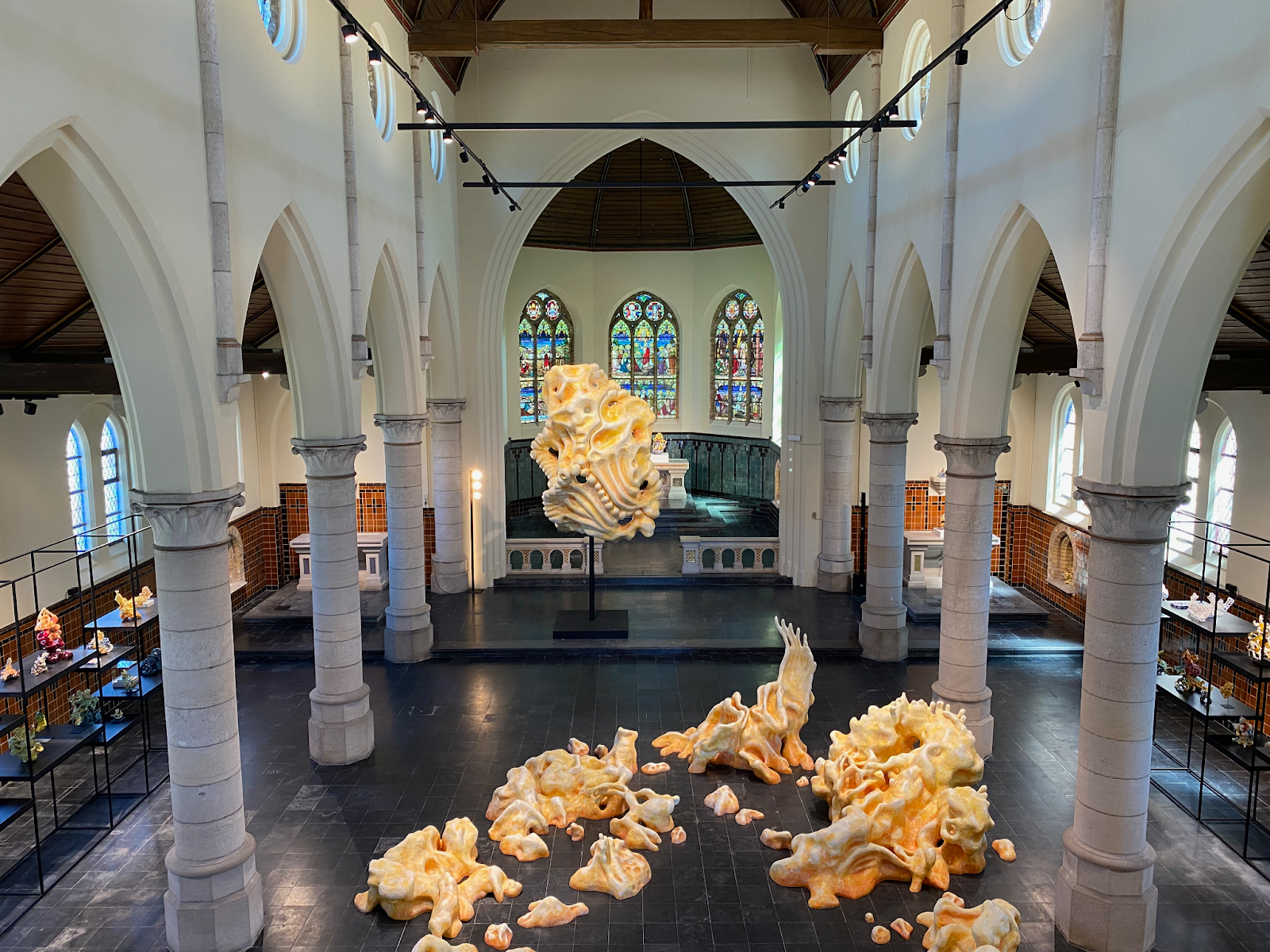
Nick’s church is branded “K.E.R.K.” standing for Kunsthalle ERvickK” and is located in the tiny village of Sint-Pieters-Kapelle, a township part of Middelkerke, a mall town at the Belgian North Sea coast. Last summer, I combined a bike ride with a visit to K.E.R.K. on a very hot 10 July 2022. The exhibition “SKIN WORKS” displayed recent work by Nick Ervinck.
I was impressed and inspired. I wanted to meet Nick one day, and if possible visit his studio. At the reception, there was a young student, and I asked whether the artist was present in the church. He was not, but she gave me a business card with his email address and phone number, suggesting that I would ask for a studio visit.
Here is the mail that I wrote to Nick:
Hello Nick,
I’ve been following you for a while and I’m a fan. Yesterday I visited K.E.R.K. (GNI-RI JUL2022 SKIN WORKS) and the friendly young woman at the entrance said it was possible to visit your studio.
I do a number of artistic experiments myself, and I recently hired Kurt Vanbelleghem to help me professionalize my practice. Besides the art, I work on a project “The Scaffold”, where I bring artists, entrepreneurs, and engineers together in residencies for corporate clients.
I would love to have a conversation with you, preferably in your studio, or else in K.E.R.K. or any other location of your choice.
Interested?
Here is Nick’s answer:
Hey peter,
Nice to hear from you.
It is not possible to receive each person individually.
I normally only open the studio for group visits.
But your email has caught my interest. What you are doing is of course not clear to me.
Bringing artists, entrepreneurs, engineers, and companies together sounds like music to my ears.
I am someone who likes to work goal and result oriented. And many of these initiatives do not succeed in this.
I will be happy to receive you in my studio/atelier to exchange thoughts.
Fits for you possibly Tuesday evening August 9 or Wednesday evening August 10.
Or feel free to make some suggestions and I’ll check my agenda.
Artistic greetings
Nick
We settled for 9 August, also a very hot summer day.
There I stood in front of his studio, with no agenda, but with a quite detailed concept of what The Scaffold had to become.
I did not know what to expect. Maybe he would kick me out after ½ hour? No worries: I got a really warm welcome. Nick was very approachable, and as would show quickly, a real professional in all senses. There was a click: we spent 4 hours together.
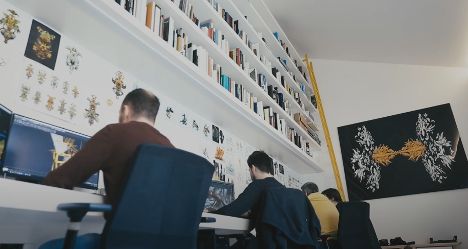
Above the working desk was a huge library of more than a thousand artbooks.
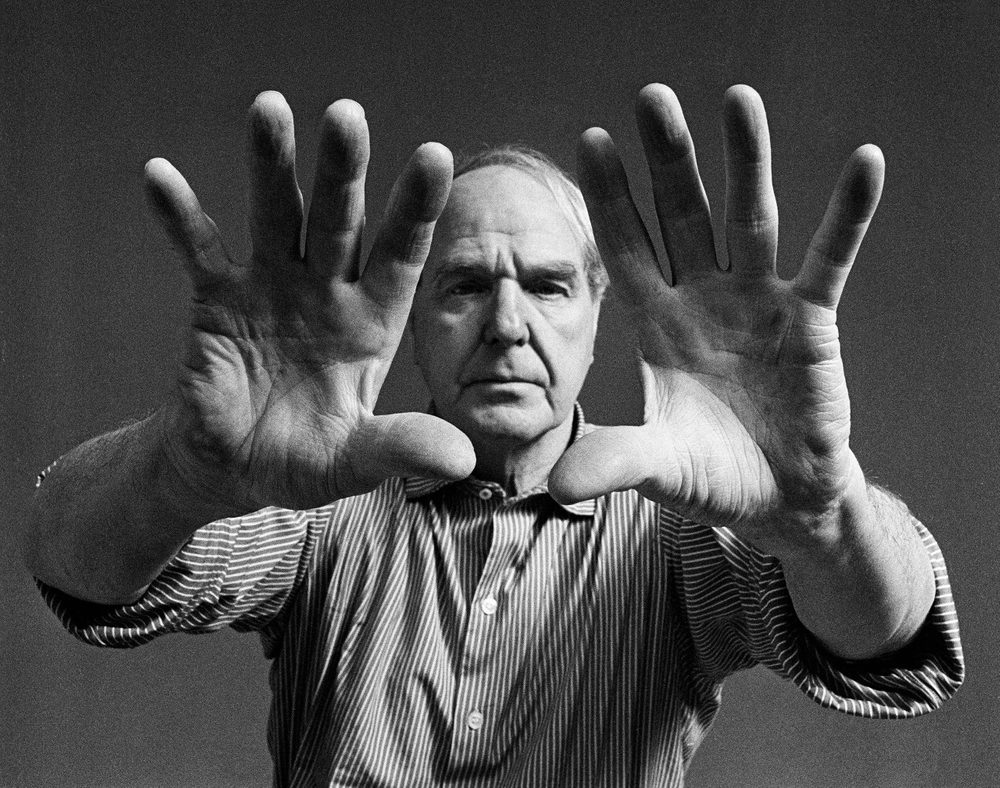
Nick is also a big fan of Henry Moore, a British artist mainly known for his sculptures. Moore can be said to have caused a British sculptural renaissance. Nick’s Henry Moore book collection encompasses more than 300 books! The biggest private collection in the world: the only place in the world where you can find more is in the Henry Moore Foundation itself!
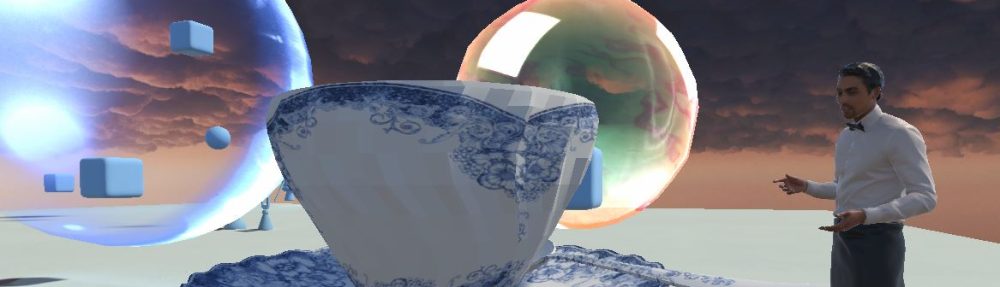
Nick also built his own virtual museum “MOUSEION” and his own “NIKIPEDIA” landing page:
The visit and the conversation were super inspiring for me. His work and attitude influence me in many ways:
His Focus
He is an artist entrepreneur and focuses exclusively on that
His Professionalism
Both as an artist and as an entrepreneur.
Everything exudes attention to detail and perfectionism in everything:
Archiving and documenting
High-quality printing, framing, book printing
Business cards
Website
Respect for own work
Cleanness and order in the studio
His Sharing
Links to books, his own manuals for art photography, bookbinding, framing, transport boxes, software, high-quality art print shops, etc, etc
His Erudition
He is very well-read, has a pluralistic view of things, and is able to express himself very well orally and in writing
I invited Nick to be part of the non-conformist tribes I am curating for The Scaffold learning experiences.
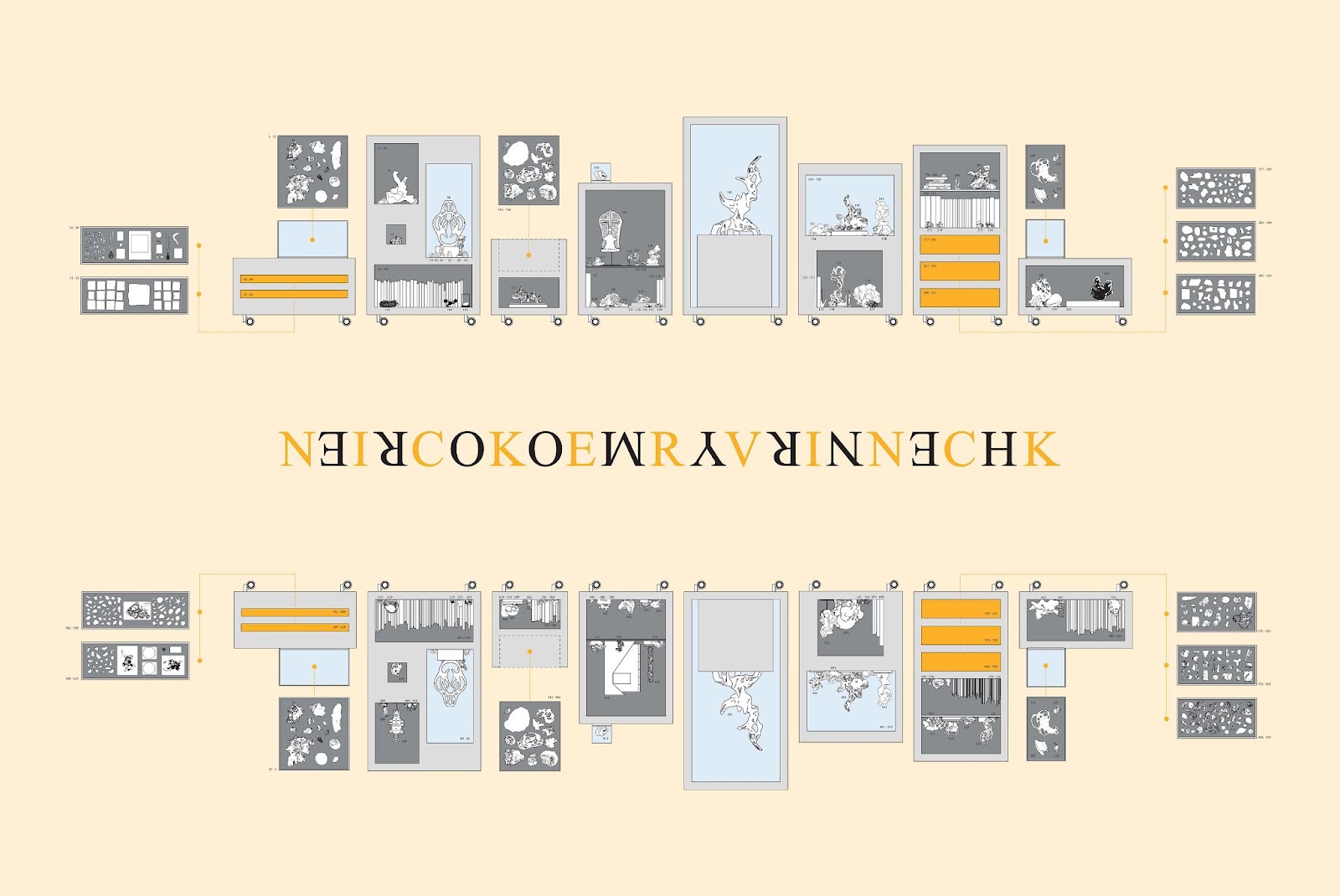
When leaving the studio, he left me with some of his own art books as a present, a poster of his Henry Moore cabinet show (see the above picture, where Nick Ervinck and Henry Moore are interwoven), and a recommendation for the book “On Being An Artist” by Michael Craig-Martin.
He must have read my mind, as the book proved to be another big inspiration for my practice (and the subject of my next blog post).
When I walked towards my car in the warm evening sun, I felt like coming out of a movie.
This is the thank you letter I sent:
Dear Nick
Do you recognize the feeling when you’ve been to a good movie, and you come out, and the world feels different? That’s the feeling I had yesterday when I came out of your studio and on my ride back home.
Thank you very much for the generosity of time (more than three hours!) and the quality of your input and feedback. Thanks also for the MOUSEION book, the poster, the flyers, and the book suggestions. The poster is now right in front of me.
Thank you also for the confidence in showing your management software, the guided tour in your studio, and sharing successful projects, but also projects that just didn’t make it.
It all started with Vankatesh Rao’s “Future Tables” post last week, with the subtitle “We don’t want future visions, we want future tables”. Venkat introduced the concept of “temporal potential groove”.
I added the following comment to his post:
“I enjoyed this one very much. You have written so much about time that my feedback may sound trivial. Anyway. I felt attracted to “temporal potential groove”. It made me think about grooves in vinyl records. About remastering to improve the dynamics of output. Music in general as a scheme of bars, tempo, etc. About the grid and snapping to the grid in music and other software. Also about furrows on land, and riverbeds. And how we could learn to unsnap from the grid, groove, riverbed, etc to find new paths that are not defined by the “table”.”
Just a couple of days later, I had my monthly catch-up call with Josie Gibson, and we started a lovely conversation about vinyl records.
Yes, for those who remember, vinyl records “sound” different. It is an analog sound. It has a warmer, more human touch to it. We are so used to listening to compressed, streamed, digital music that listening to really high quality sound/music is an experience that many of us don’t have any real experience with. Neil Young wrote a whole book about it and the lack of HD sound was the reason for him starting the Neil Young Archives.
But besides the sound quality, there is also quite a difference in the experience of consuming music.
Sometimes, the pickup stylus jumped out of the groove, jumping to an unexpected part of the song or even the album. There was some sort of enjoyable unpredictability.
You were also supposed to listen to the whole album (or at least one “side” of the vinyl disc) in one non-interrupted session.
Also, we lost the patience to wait, to be comfortable with the in-betweens, the no-groove areas between the songs.
There was at some time the notion of a “concept album”, where all the songs of the album belong to a coherent concept/narrative, instead of a compilation or sequence of greatest hits or unrelated “singles”
As we discussed, we made parallels to the way I curate learning experiences, where the value is in the coherence of the narrative and associated speakers, and not just a list of individuals taking the stage for their standard pre-canned talk. My ambition is to take people out of the groove, to discover parallel worlds and options.
Josie coined the term “Parallel Grooves”, obviously T-shirt material! I should seriously consider hiring Josie as my copywriter 😉
Mock-up T-Shirt with image from DALL-E
The vinyl groove is one metaphor.
We could also consider the riverbed: by putting obstacles in the riverbed, we can change the flow of the water, we can divert the flow.
Or waterfalls. Josie spoke about “the language of waterfalls” and what happens when you put a big rock at the top of the waterfall and how the language of the waterfall changes.
Image generated by DALL-E
Serendipity is my companion these days, and as I was writing this post, I bumped into this image of Cameron Falls in Alberta, Canada:
Cameron Falls in Alberta, Canada has crystal clear water on normal days, but when abnormally heavy rainfall hits the region, a phenomenon happens. Sediments called agrolites are released into the water and make the river look pink or red when light hits it. Seen on Facebook https://www.facebook.com/auckee
Or the metaphor of furrows in a field.
Here is my uncle Hubert plowing a fresh field with his tractor. Ask him how difficult it is to steer the tractor out of the furrow.
But what if he could plow not only the land but also a river or a waterfall or all of them? You would get a very nice metaphorical representation of my idea of curation.
Image generated by DALL-E
People think they are in the groove, but they aren’t. Or they don’t know what else exists out of the groove.
“They don’t know what they need, but they know what they yearn for”
(another copy by Josie)
What seems more interesting to me is to surf that yearning and go to a place in a different dimension you don’t even know existed.
“You were looking for “X” and but I let you discover “Y”
(Josie)
Parallel Grooves in other words.
Guess what?
Parallel Grooves will be part of “Studio Interventions”, one of the three studios I am launching after the summer together with a brand new Petervan Studios website
The time that we could organise our companies without acting too much on global evolutions lies long behind us. Leaders understand more than ever that tackling world challenges not only creates a better context for all of us to live in but also presents fantastic business opportunities. It’s why am thrilled to be one of the curators of nexxworks’ Mission NXT program, designed to help leaders turn global trends into opportunities.
For those who are truly passionate about fostering this type of outside in vision, here are five (zero bullshit) books that fundamentally changed and formed my thinking in the matter over the years.
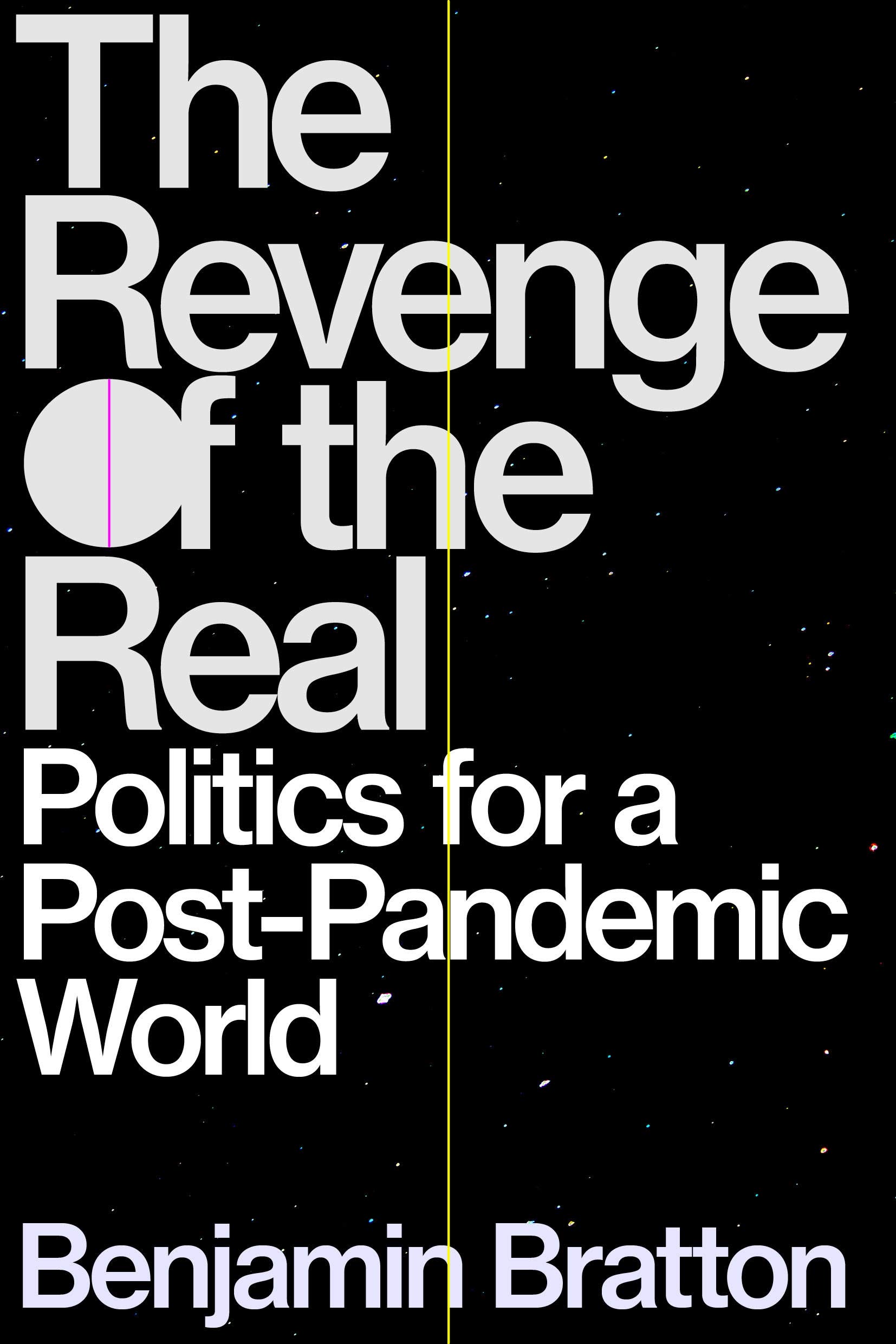
The pandemic showed us that we are completely unprepared to cope with our current deeply entangled world. According to Bratton, we need a “positive biopolitics” and an AI-based instrumentation of the world. He offers a refreshing way of thinking about sensors which is quite different from the worn out song about the surveillance state.
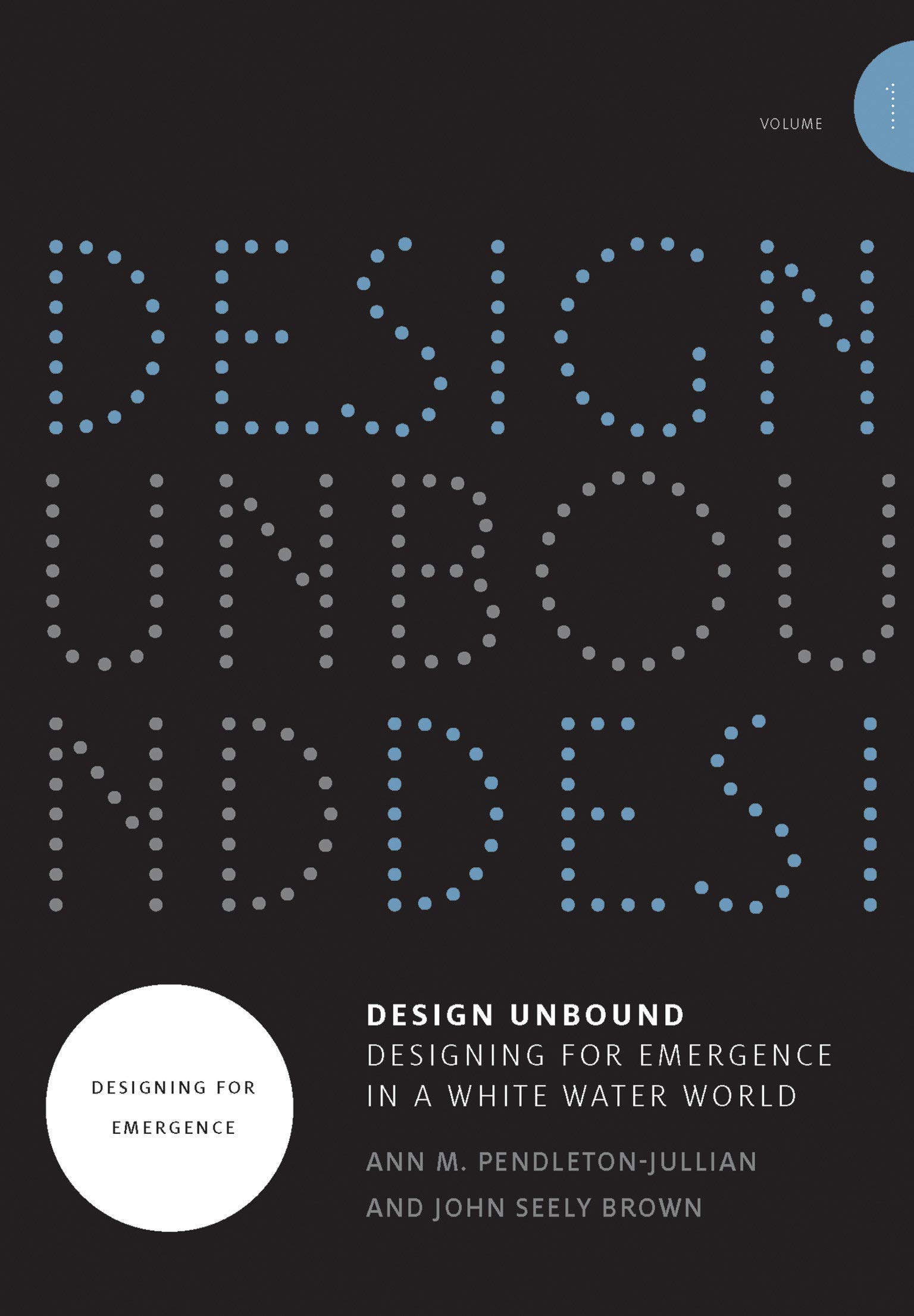
Ann Pendleton Jullian and John Seely Brown – Design Unbound (2018)
Read this if you want to understand how you can design for emergence in the Never Normal. You’ll need your full attention (it’s not a ‘light reading’ project), but in return you’ll receive two volumes of unique and well researched insights to help you better see what is and what can become. This is truly one of the most important business books I ever read.
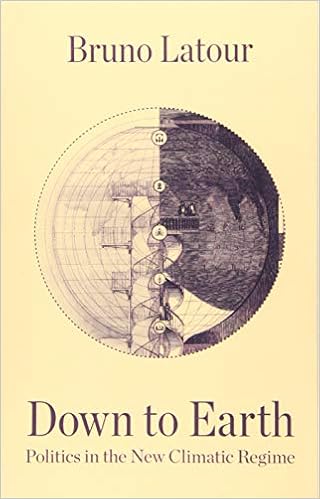
Latour calls for a third way in climate politics which is left nor right: a path between libertarian globalism, and leftist localism. One that is anchored in planet earth. Read this if you want to get to know one of the most important philosophers of the 21st century.
Jenny E. Sabin and Peter Lloyd Jones – LabStudio (2017)
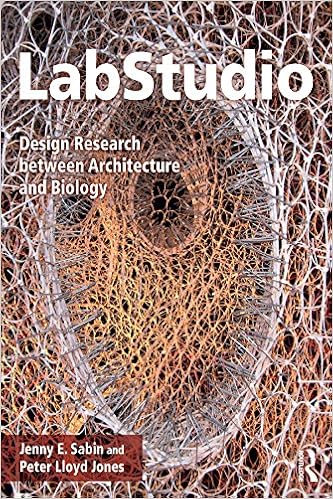
Sabin and Lloyd Jones tackle the concept of the research design laboratory in which funded research and trans-disciplinary participants achieve radical advances in science, design, and applied architectural practice. The book demonstrates new approaches to more traditional design studio and hypothesis-led research that are complementary, iterative, experimental, and reciprocal.
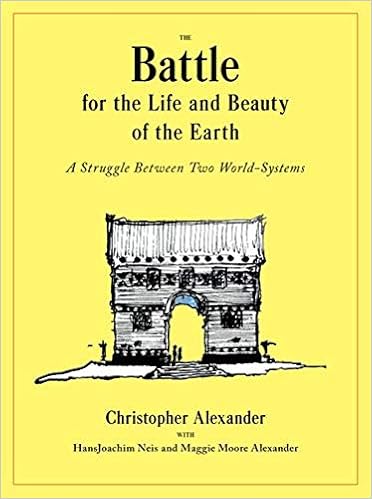
This real life story of American architect Christopher Alexander designing and building the Eishin university campus in Japan serves as an analogy for the battle between two fundamentally different ways of shaping our world. One system places emphasis beauty, on subtleties, on finesse, on the structure of adaptation that makes each tiny part fit into the larger context. The other system is concerned with efficiency, with money, power and control, stressing the more gross aspects of size, speed, and profit. This second, “business-as-usual” system is incapable of enabling the emotional, whole-making side of human life, according to Alexander, who then goes on to present a new architecture.
After the Inappropriate post of begin June 2021 we continue with “Studios”, a way of collaborating together as a practice of practices.
In my previous life (2009-2016), I architected several immersive learning experiences for SWIFT’s annual conference Sibos. It was called Innotribe @ Sibos. Already then, I was convinced that learning should be more than the transfer of knowledge by a speaker on a stage (or in a Zoom window) talking to a passive audience. I wanted to resonate with the audience at a level beyond the pure cognitive. I wanted the experts to talk with the audience in immersive settings. We got quiet far in that ambition during the 2016 edition, where physical and mental space formed a coherent and harmonious backdrop and context for several creative learning sessions.
Innotribe human-artistic space 2016
In 2016, I sensed there was an untapped potential for building cognitive and non-cognitive equity by integrating artists into the mix. Not as entertainment, but in support of the content by creating a multidisciplinary mix of left and right brain dispositions. “A bridge too far” was the harsh judgement. I took a one-year sabbatical, never went back, and started Petervan’s Studios.
I now had plenty of room to experiment with real and virtual paint, sound- and video-production tools, animation, collaboration with artists, etc. And was invited as a lead experience designer for a couple of high-touch leadership experiences.
The plural “S” and the end of Petervan StudioS was inspired by Nelly Ben Hayoun StudioS, a weird mix of interrogations and provocations using different studio disciplines from writing, to painting, through video and soundscape, film productions, theatre, drama, experiences, etc. Multiple studios under one – albeit often virtual – roof.
With Petervan StudioS, my ambition is to design and architect creative interventions, interruptions, and provocations. Formats can be curations, events, group experiences, expeditions, immersions, exhibitions, analog and digital artwork and productions, performances, writings, poems, blogs, installations, soundscapes, recordings, documentaries, and time capsules.
Studios are more than a glorified term for artworks, workshops, or events.
A studio is a practice of practices.
This is a good moment to consider FOUR (+1) STUDIOS (PDF), Ann Pendleton-Jullian’s take on StudioS, a 254-page long articulation and inquiry of the subject.
“Written from the perspective of an architect, these papers talk about design and design thinking, the social environment of practice of the studio, and how the architectural design studio and its methodologies have evolved over time to respond to evolving social environments and practices”
What follows is my personal interpretation of Ann’s insights, based on extensive reading and studying of her writings and transcribing many of her video vignettes.
Four (+1) Studios is about applying the principles, work methods and ethics of an architecture studio to the domain of system and organizational design.
Studios are where the practice takes place and where a practice of practices is forged and then evolves in a space.
A practice is a way of doing. It usually has a very strong task component, but critically it has to do with being embodied in a context.
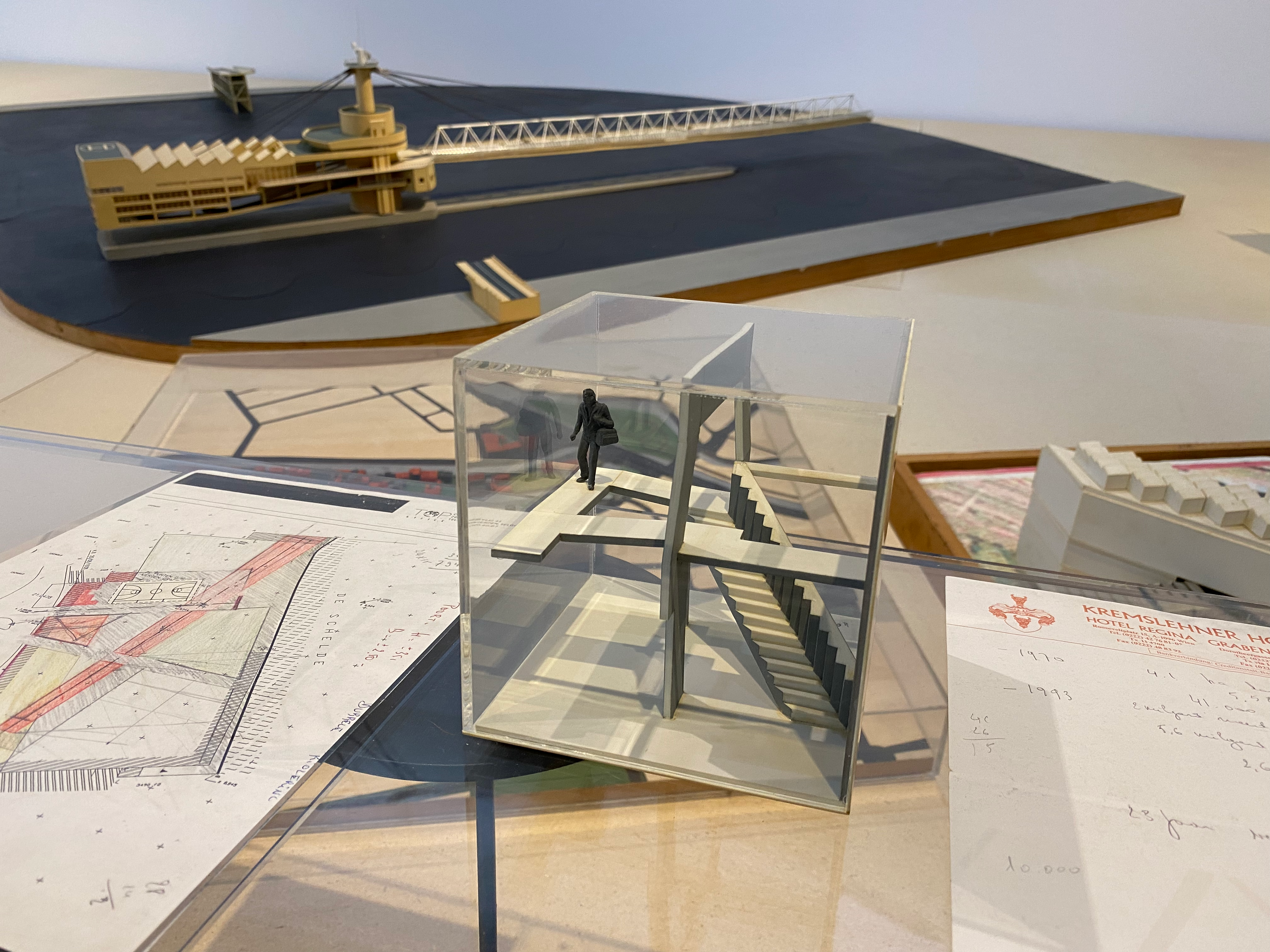
Future Plans 1970-2020 – Luc Delue and T.O.P. Office – De Singel, Antwerp
The learning of a practice involves becoming a member of a community of practice. Think of guilds in the Middle Ages.
But it is more than a community of specialized skills or artisans.
For example, if you consider the handling of a pipette in a lab, and you want to work with a Petri dish low and behold, each lab may train their folks to hold their pipette in a certain way, the way you hold that pipette influences the visual that’s never been recorded.
In other words, the community of practice develops his own signaling, that create the community and amplify kind of tacit communication in very powerful ways that makes that community a practice.
The studio combines different practices. An architecture studio is multi-disciplinary: a combination of aesthetic, ethical, engineering, scientific, societal, political, philosophical, and anthropological skills. A combination of material, societal, and mental ecologies. In the end, architecture is about designing spaces for messy human beings to grow and develop at their best.
We can architect buildings, spaces, things. But we can also architect contexts, less tangible artifacts that let a project emerge and evolve into preferred and desired futures.
There are five key aspects of studio, which make it unique from other teaching and learning environments.
The studio is initiated by and formulated around problems, yet it is not specifically about solving problems.
It is profoundly social in nature and structured.
It is a highly critical and discursive environment using critiques – not criticism
It’s deeply synthetic in nature in contrast to teaching and learning environments that operate as compartmentalized, a specialized knowledge basis.
and five, it operates through the integration of knowledge with skills.
Design studio and the student apprentice’s journey (courtesy Ann Pendleton-Jullian)
Studios are a proven way of failing and recovering together, a repurposing of the architecture studio practice of practices.
There are three kinds of studios.
The teaching studios, where you’re trying to teach something. It is about the didactic transfer of knowledge.
The mentoring studios, where you now are giving a project and helping a student move through that project.
The inquiry-based or research studios; these can be real-world projects, and real world, richly networked experiences.
Illustration courtesy Ann Pendleton-Jullian
Combining these different types of studios has become a key component of my client work in 2019-2021.
For one client we developed a leadership studio around the topic of ambiguity. For another client, we are creating an online expedition based on conversation moments and thinking experiences, using different types of “Guides”. Some guides have a more didactical role of transferring knowledge (teaching studios), other guides have an enabling/mentoring role (mentoring studios), and yet other participants inject new ways of thinking about the future, other than scenario planning (inquiry based studios).
Other clients ask us to design learning experiments: multiple parallel lines of inquiry, keeping multiple options open, resisting the urge to come to quick resolutions, and building up cognitive equity, together. These online sessions are designed as facilitated studios: a proven way of failing and recovering together, as an embodied learning.
Doing projects like these require my 100% focus and attention.
They require me too deeply immersive myself in the client’s problem and project space.
I am human, and my quality attention is scarce, not unlimited, and I need pauses for reflection and recalibration.
It is why I only can accept one such project per year.
Because I want to keep the balance and attention right.
Next time in Travelling Without Moving, we’ll talk about “Genres”, a set of different practices to weave content and engagement into video learning experiences.
A couple of weeks ago, I discovered by accident a way to get myself in a zen-state of total peace and relaxation. Not that I feel super hectic or nervous, or something like that. Not that I need it. Not that I was in search for it. I just stumbled upon it and I really liked it.
It is the very simple – highly repetitive – practice of drawing many many little bricks, black ink on white paper. I am doing this when I am completely alone in my studio, with some repetitive music in the background (see later), and the sound of a ticking clock.
The only other things I hear/notice is the sound of the pen softly scratching the paper, the sound of my breath, a motorcycle or car or plane passing by in a soft distance, a door opening/closing somewhere in the house, sometimes a dog barking, or a dove crying.
“As in Zen, the trick is to become one with the activity, to engage in it fully, to see and appreciate all details–be it hiking in the woods, penning an essay, or tightening the chain on a motorcycle.”
It made me think about the repetive art of Roman Opalka who spent a big part of his life drawing numbers from one to infinity.
Roman Opalka by Lothar Wolleh – Sep 2002
But I don’t talk nor record my words while drawing my bricks. I am silent. And listen to repetitive soundscapes. I was looking for some “non-intrusive music”, music without meaning, music without noise, something that did not distract from the content (aka the bricks), but was rather amplifying it. I tried several ambients from Brian Eno, or songs from Robert Frip’s Music for Quiet Moments series and many more.
Until I discovered this AI-auto-generated music library by @alex_bainter.
The “song” that I have used most so far is called “Lullaby”.
Ann Pendleton-Jullian pointed me in the direction of Lu Qing’s work. Ly Qing is the spouse of Ai Weiwei, but she is always in background, not looking for press attention. When browsing her work, I stumbled upon this repetitive work, acrylic blocks on a silk roll of about 20 meters long and 83 cm wide.
This ink painting on a bolt of silk is partially unrolled and drapes over a table. Small dark-grey squares in acrylic paint almost fill the fabric and create a grid. Departing from her early abstract oil paintings, beginning in 2000, Lu Qing has painted on a twenty-five-metre bolt of silk that she buys each year. Small geometric shapes are painstakingly painted on the fabric over the course of the year. Regardless of how much of the cloth is painted, Lu considers the painting complete at the end of the year and begins with a new bolt the next year. The varying shades of dark grey in the work indicate changes in Lu’s emotional state and in the pressure she exerted, and also recall the different shades of black in traditional Chinese painting. The work is a meditative practice in which the process is valued over the end product, and it functions as an abstract record of emotion and time. (from https://collections.mplus.org.hk/en/objects/untitled-2012687)
I ran to my attic, found a roll of cheap white paper of 1 meter wide and 5 meter long, and started drawing. What you see in the video above are the first 5,000 bricks of a “long” work.
Josie Gibson from The Catalyst Network pointed out that my work was multilayered, with the layers being Peace, Mind Wandering, Kairos, Repetitive work, Musical memory anchors.
In my opinion, it also has layers of different types of attention.
Attention to the drawing itself: getting the pattern right, working without no or a minimum of grid/supporting lines, drawing “perfect” bricks, made in one line-flow, for each of them.
Attention to the mind-wandering: making small (at times only mental) notes, reflections about a project, my daughter, my spouse etc.
It’s useless, I know. But it brings me in contact with an unexplored part of myself. It brings me in a Zen state, a state of deep calm and happiness. I am literately and metaphorically losing my time, my-self. Or am I re-finding my-self?
Doing something. Doing the work. Getting lost. In time and space that is. Being one with my practice: it is more important than end product.
After the Unbound-post of begin March 2021, we continue with “Foam”, a way of looking at and reflecting about the world as suggested by German philosopher Peter Sloterdijk.
I will not even attempt at claiming to understand Sloterdijk and/or to summarize his magnus opus trilogy “Spheres, Bubbles and Foam”.
I just want to share some tangential thoughts that “bubbled-up” when reading about it.
Foam is organic as in relating to or derived from living matter.
As opposed to inorganic.
Organic/Inorganic is similar but still different than the Analog/Digital or Kairos/Chronos.
It is tangential to human/non-human.
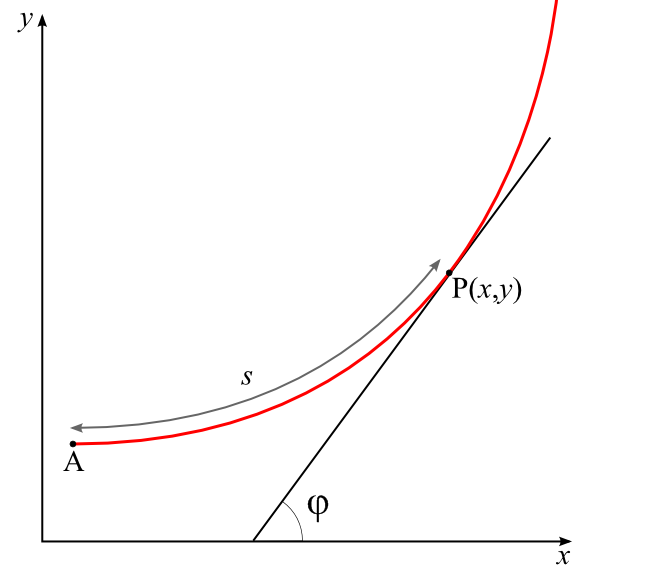
“In geometry, a tangent is a straight line that touches a curve at a single point. So we say that someone who starts talking about one thing and gets sidetracked has gone off on a tangent. The new subject is tangential to the first subject—it touches it and moves off in a different direction.(Merriam Webster)”
Following foam is like driving a road that is not road, emerging continuously.
Foam is about relations.
Between people.
Foam-mates
From general relativity to relativity of relations.
The quality of the relation depends on the viewpoint.
The quality depends on the dispositions and emergent potentials of relations
Foam is an emergence of dispositions and potentials
For a life of play is no genuine human life;
But is it really?
We now have affluence and surplus, for the first time in human history.
Hueneman
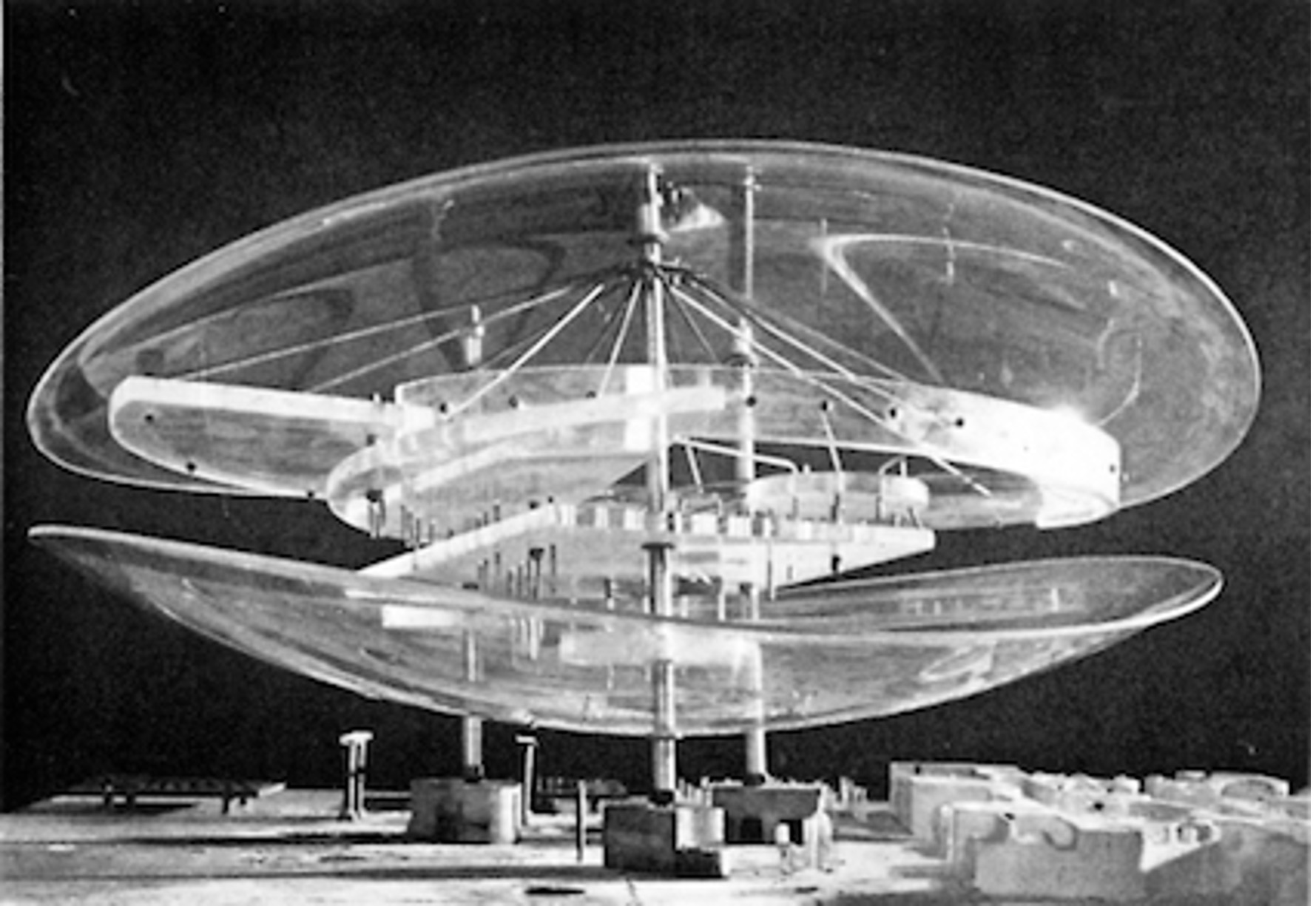
Constant’s New Babylon or the Biosphere 2 project come to mind.
You are part of multiple spheres: the bigger ones like “world”, or “earth”, or “continent”, or the smaller “bubbles” like “province”, or “institution”, or “corporation”, and the smaller foam bubbles, as “communities” of influence, attraction, care, intimacy and attention.
It is a fragmentation, but one with soft borders/membranes.
Not splintered like broken glass, but organic and lubricous and smooth like the soap bubbles in the hot tub.
And the assemblage of all this is dynamic, changing and interacting all the time, like a complex adaptive system.
In her 2021 Tech Report, Amy Webb identified more that 100 new signals.
A fragmentation of signals.
A fragmentation of everything, entangled like foam.
Abundance.
Wealth has come to us like a thief in the night
Sloterdijk
How would one design for and in such a system?
Designing space and context for 1000 flowers to blossom, for 1000 bubbles to co-exist…
I have a hunch that Ann Pendleton-Jullian and John Seely Brown may have some suggestions in Design Unbound.
Or check-out “Medium Design” by Keller Easterling, who writes about dispositions of interdependent objects and spaces; or should I say “spheres”?
“Disposition is a latent agency or immanent potential—a property or propensity within a context that unfolds over time and in the absence of a reifying event or an executive mental order.” Keller Easterling
Dispositions and propensities are becoming part of roaring 20’ies thinking.
So are spheres, bubbles and foam.
Because we are hungry for new communities of intimacy and connection.
Next time we’ll talk about “Inappropriateness”, as a badge-of-honor that is.
I am blown away and intrigued by the insights: this is about having agency in a world that is constantly shifting under you. It is so refreshing after all those business-, management-, leadership-, and self-help-books. It has become a healthy addiction: I am basically reading and re-reading and deeply internalizing everything that Ann Pendleton has written in the last couple of years. I have been haunted by this book. Ann and John put a spell on me.
This book is a game-changer. I highly recommend it.
After a first read/scan of the two volumes, and after a kind introduction by Jerry Michalski and John Hagel, I had my first (online) conversation with Ann and John on 27 May 2021. I wanted to explore a partnership for building a workshop on BANI and work with Ann and John on the response to Anxious, which was related to having agency on a world that is in constant change.
Ann initially very politely declined, but I insisted, and since then we have worked and are still working together on some NDA projects. We now have several calls per month.
How naïve I was at that time. I thought I understood, but Ann very kindly let me discover my own mind-bugs. She also pointed out my reductionist thinking around BANI. She also let me discover other resources and deep-dives to let me internalize what this was all about. The last couple of months have been a humbling experience.
I will not even attempt at summarizing the book.
I just would like to spend some time on the “Unbound” aspect of the title.
The initial title of the book, I learned, was “Architecture Unbound”.
Ann is a practicing architect.
You may discover that she co-designed the house of Carl Sagan. He hired Atelier Jullian and Pendleton, whose principal, Guillermo Jullian de la Fuente, had been a student of Le Corbusier.
The architects designed a new, separate residence for Sagan in Cayuga Heights, and prepared an extensive, two-stage redesign plan for the tomb to turn it into a study for him and his wife.
Carl Sagan house – Cayuga Heights – Picture Durston Saylor in OfHouses
In the book, Ann is applying the practice of an architecture studio to other things than buildings.
Tod Williams Billie Tsien Architects Studio
In the video above, you see how architects work together as a family. Where working and failing together – almost as a practice of group-vulnerability – thrives on experimenting and rigorous critique.
Ann describes similar practices of architecture studios and applies them to unboundedness.
Unbound from buildings.
Unbound from things.
The architect as a context designer.
The role of critique in an architecture studio.
The role of Game Play and Game Design
We’ll look into some of these aspects in some subsequent posts in this Travelling without Moving series.
If you want a quick intro (two times 90 minutes) to the work of APJ and JSB, here are two video-vignettes that Ann and John recorded for the IFTF Foresight Talk Series
The main points covered in these two videos are: white water world, pragmatic imagination, from Newton to Darwin to Ecologies, Design for Emergence, Systems of Action, and World Building.
But there is so much more in the book, and the material is so rich, so nuanced, so dense, that I very much invite you to read it, not once, but twice, ever three times.
This is just pure-gold material for anybody who is active in corporate innovation initiatives.
It helps you reset and forget and go way beyond your tactical thinking about startup bootcamps, corporate venture funds, MVPs, Lean, Agile, platforms, ecosystems, and other blah.
You don’t need a head of innovation.
You don’t need an innovation team.
You need a squad that is trained to design for emergence and to tackle wicked problems.
This is about seeing the world differently – a world in constant change – and about seeing the dispositions of the system and designing the contexts for emergence and agency in these complex systems.
Together with Ann, I am working with Hamilton Ray from Collective Next and Amber Case on a Pirate TV episode on Design Unbound.
We plan to release the video before summer. We aim to condense the key insights of the book into a 45 min, a sort of non-commercial trailer for a learning journey that is being put together. The video will be provocative enough to stand on its own as a coherent learning opportunity.
Next time we’ll talk about “Foam”, a way of looking at and reflecting about the world as suggested by German philosopher Peter Sloterdijk.
For the past years, I have been on a quest to discover what is required to enable change. I try to avoid glorifying terms like “deep”, or “meaningful” change. What we are after in the end is just “good” change, right? In my opinion, good change is change that leads to ethical, moral and spiritual advancement. All the rest follows: profit, happiness, communities, and networks of returning customers.
Deeply influenced by the work of Robert Fritz on structural conflict and structural tension, and that structure drives everything – especially behavior – I became dissatisfied by the responsive reaction in many organizations that can be summarized as “what problem are you trying to solve?” It is too solutionist, reductionist to my tasting, and I prefer Robert’s suggestion of the creative orientation of the artist/creator who is not solving a problem but develops mastery to create what she really wants.
So, the key starting point is to know what you want. Let that sink in for a moment. To know what you want.
Once you know what you want, you can create and change the structure that will at least be helpful – not working against you – in letting emerge and amplify the behavior that leads to what you want.
Structure is broader here than hierarchy or reporting lines. Structure includes contexts, vision, vehicles, mechanisms, and networks. Like an architect, you design spaces and structures to enable certain preferred – at time messy – human behaviors. In a corporate environment, you don’t architect buildings, but you architect contexts. You become a context designer. As an architect, you are not only responsible for the imaginative part, but also for seeing through the execution ànd adaptation needed as the context changes throughout time. Structure and contexts drive flows of information. Like water in a riverbed, if you change the course of the riverbed, the water will behave differently.
Structure drives flow drives behavior.
Let’s add Leandro Herrero in the mix. He wrote “Viral Change” and “Homo Imitans”. Key insights: people copy behavior and behaviors drive culture. If you plant people with the desired behavior into your organization, there is a good chance others will start copying that behavior. Hence “Imitans”. Like viruses infecting others – in a positive way. Do I need to make a drawing in this Covid-19 era?
Leandro’s bottom-line: behavior drives change and not the other way. And you can design for certain preferred behaviors. It’s bottom-up. It is not because an executive team defines culture that everybody will start behaving like it. It is because you have seeded infectious behavior that a culture will emerge through imitation.
Like changing and influencing the structure of a building or a riverbed, we can influence the information flows in organizations. These changed flows lead to different behaviors that on their term drive culture. In the end culture drives change and advancement
That the disposition of a culture is already embedded in the play preceding it.
“By this we do not mean that play turns into culture, rather that in its earliest phases culture has the play-character, that it proceeds in the shape and the mood of play (Huizinga)”
“There is a third function, however, applicable to both human and animal life, and just as important as reasoning and making—namely, playing. (Huizinga)”
This brings me to the insights of John Seely Brown in “A New Culture of Learning”, who quotes Huizinga extensively.
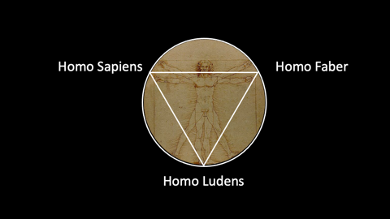
Visual/Insight inspired by John Seely Brown (JSB)
JSB talks about a “21st Century Augmented Imagination”, with a better balance between Homo Sapiens (Man as a Thinker), Homo Faber (Man as a Maker), and Homo Ludens (Man as a Player). Where imagination is triggered, tested, and augmented by play. And discovering the rules of the (future) game to play by playing it.
“In a world of near-constant flux, play becomes a strategy for embracing change, rather than a way for growing out of it (JSB)”
After the Silence post of last week, we continue with Pause.
In “Silence”, I mentioned “Stop the clocks – Manifesto for a Slow Future”, Joke Hermsen’s book about Silencing the Time. Minutes after I published that post, I got a notification of a new book by Joke Hermsen
“Ogenblik & Eeuwigheid” or “Moment & Eternity” opens with Joke’s reflections on a Kairos/Chronos exhibition she curated in 2017 in the Gaasbeek Castle south of Brussels. Coincidence or not, but I happened to be there, and here is a video of one of the installations exhibited then.
“This is about that mysterious moment when our soul is unguarded and spreads out its wings. Kairos manoeuvres virtuoso between two worlds: the measurable and the immeasurable, the known and the un-known, backing out of our knowledge, covertly showing us a glimpse of the possible”
Her new book is once again about Chronos and Kairos and the potential of art to move us into the surplus of Kairos
Het surplus aan tijdservaring die de kunst voor ons in petto heeft verschilt aanzienlijk van het louter meten van tijd op de klok.
The surplus of time experience made available by art is quite different from the pure measurement of time
Together with Josie Gibson from The Catalyst Network, we started some 1-1 calls to share what these books trigger for us and our communities. We decided to start a small experiment: we read a chapter of the book, schedule a 1-1 call to let flow our minds, record it, and share it with our communities.
Very down to earth, no tricks, no gimmicks, just a gentle and calm wandering and meandering of minds from two opposite sides of this earth. One person from Melbourne, Australia and one from Aalst, Belgium; one person in autumn, one in spring.
These are very calm conversations; so best is to take a pause, install yourself in a quiet corner and enjoy!
It is an invitation to calm and tranquility as powerful sources of vitality ànd relaxation.
Yes! They can go together.
But sometimes the rhythms of an ordinary day offer stillness as well.
Even the ticking of the Chronos clock as a background soundscape can bring me in a state of calm and stillness.
Like monks doing their miniatures.
I found this online clock that ticks for 12 hours.
It’s the only thing it does.
And in the meantime, I am drawing thousands of little bricks in brick bonds.
It’s useless, I know.
But it brings me in a Zen state, a state of deep calm and happiness.
I am literately and metaphorically losing my time.
In a recent newsletter update about “pottering” in his garden, Robert wrote:
“When I do what I am drawn to, I am absorbed by my surroundings – by what I see, or hear, or smell. My attention is open, soft, pliable. This stills something inside me and I find a kind of quiet calm.”
“This stillness is something that is given to me, not something I create. It is a gift; and one I cherish. It is settling, if not nourishing to be reminded that the worries and concerns that bother me so, are mostly of my own invention. And that moving around can help me to be still.”
I am attracted by Robert’s pause, his stillness as a gift.
A place where I want to hang-out, where I can lose my Chronos time.
In the meantime, I got many conversations with Robert. I shared with him my ideas on creating better gatherings, beyond “conferences” as entertainment, but more as learning experiences, resonating beyond the cognitive, and how we can do much better than just copying the analog.
(Not) to my surprise, Robert spent a lot of time as well on how learning can be done better, differently. And together with Alex Carabi, he created Yellow Learning. I mention it quickly here, as Yellow is one of the other keywords in this series Traveling without Moving.
I was part of the second cohort ending next week. Yellow is fee based. But worth its money, trust me. If you are interested, the call for the next groups Jan-June 2021 is open now.
This post is part of a series of essays bundled under “Travelling without moving”. Intro of that series can be found here.
My 2020 journey started with a Direct Message via Twitter from Mark Storm on Feb 8, 2020 a couple of weeks before the first formal lockdown in Belgium on 13 Mar 2020
Mark says “Maybe you will find this an interesting essay about Mark Rothko. Have a great Sunday, Mark”
Thanks for sharing, Mark! And yes, I found it interesting, in as much that I choose it as the start of this series 😉
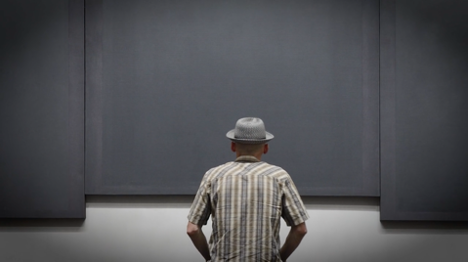
Here is the direct link (Dutch only) to the Rothko essay (PDF) by Dutch philosopher Joke J. Hermsen. The essay is about the effect of stillness on an audience in front of a Rothko painting. It is an ode to Kairos (time as experience) as opposed to Chronos (time as clock-time).
Mark Rothko – Yellow Over Purple (1956).
Some highlight from the essay:
Het onmenselijke geweld van de oorlog bracht hem ertoe een laatste zoektocht naar de kern van menselijkheid te ondernemen: ‘Ik wil mensen daarheen brengen waar ze hun menselijkheid weer kunnen ervaren.’ En dat kan volgens hem alleen als een kunstwerk ‘tijdloze momenten schept’, die de mens tot een nieuwe ervaring van zichzelf en vervolgens tot een nieuw inzicht over de wereld kan inspireren.
The inhumane violence of the war had induced him into a last quest for the essence of humanity: “I want to lead people to a place where they can experience their humanity again”. And he believes that is only possible when a piece of art “creates timeless moments”, inspiring men to a new experience of himself and subsequently new insights about the world.
Er bestaan geen goede schilderijen die over niets gaan
There are no good painting that are about nothing
Om ‘te kunnen worden die je bent’, dienen de oude waarheden en inzichten als het ware opgeschort te worden. Het is een ervaring die door Nietzsche ook wel extatisch wordt genoemd, omdat het letterlijk een uitstaan naar is, kortom een zich openstellen voor en zich overgeven aan het onbekende. Rothko spreekt in dit geval van ‘transcendentale ervaringen’
In order “to be able to become who you are”, old truths and insights need to be postponed. Nietzsche labelled such experiences as ecstatic – literally standing-out – opening up to and surrendering to the unknown. Rothko speaks in this case of “transcendental experiences”
Deze ‘transcendentale ervaring’ wordt door Rothko een ‘tijdloos moment’ genoemd, omdat deze niet aan de klok gebonden tijd als het ware haaks staat op of inbreekt in de as van de lineaire tijd.
This “transcendental experience” is called a “timeless moment” by Rothko, because this non-clocked time is at odds with or breaks into the axis of linear time.
De identiteit van de toeschouwer wordt voor een moment doorbroken, waardoor hij de indruk heeft niet langer tegenover het werk te staan, maar er door omringd of opgezogen te worden
The spectator’s identity is momentarily broken, giving him the impression that he is no longer facing the work, but is surrounded or absorbed by it
The suggested translation for the title is “Stop the clocks – Manifesto for a Slow Future”, although I feel that “plea” is probably a better translation than “manifesto”, and I would have translated “Stil De Tijd” as “Silence the clocks”. I wrote about time in the past, and in this post from May 2018, I already mentioned Joke Hermsen.
Here are some of my notes/highlights/moods from the book.
Tijd schept ruimte
Time shapes space
Verlangen te realiseren wat er nog niet is.
Desire to realise what is not
Opnieuw zien we hier hoe zowel het wachten als het openlaten van de tijd en het opschorten van betekenisgeving aan de oorsprong staan van de creativiteit en het denken.
Again, we see how waiting as well as leaving space for time and the suspension of giving meaning are at the source of creativity and thinking
Het wachten (attente) is voor Blanchot dan ook het vrijleggen van een ander soort aandacht (attention), die zich niet op het reeds bekende van de verwachting richt, maar op het onbekende, het onverwachte, het nog niet ingevulde.
The waiting (attente) is for Blanchot the release of another sort of attention (attention), not pointing towards the known knows of the expectation, but towards the unknown, the unexpected, what has not yet been filled in.
Picasso: ‘Ik zoek niet – ik vind.’ Over dat onderscheid tussen zoeken en vinden, zegt Picasso: ‘Zoeken, dat is uitgaan van het oude in een willen vinden van het reeds bekende in het nieuwe. Vinden, dat is het volledig nieuwe. Alle wegen zijn open, en wat gevonden wordt, is onbekend. Het is een waagstuk, een avontuur.’
Picasso: “I don’t search – I find”. About that difference between searching and finding, Picasso says: “Searching is starting from the past, in an effort to find the already known in the future. Finding, that’s what’s completely new. Alle options are open, and what is being found, is unknown. It is a venture, an adventure”
Belangeloze aandacht
Disinterested attention
Last highlight:
Die creativiteit wordt aangewakkerd als we ons bij tijd en wijle aan het regime van de klok kunnen onttrekken en ons durven overgeven aan ervaringen die haaks staan op het gestaag voorttikken van de wijzers. Wachten, vervelen, luieren, mijmeren, nadenken en nietsdoen, zijn vormen van ontvankelijke passiviteit waarmee men in deze rusteloze, door de economie opgedreven tijden misschien weinig applaus zal oogsten, maar die in vrijwel alle hier opgenomen essays noodzakelijk bleken voor de mens en voor de wereld om niet te verstarren en te verharden.
That creativity is encouraged when we can detach us from time to time from the regime of the clock and dare to surrender to the experiences that are orthogonal to the ongoing ticking of the moving clock-hands. Waiting, being bored, idle, musing, reflecting and doing nothing, are all forms of receptive passivity that are not really appreciated by the inflated time of the economy, but that are essential in all essays of this publication, essential for the humans and the world in order not to fossilize, become rigid, petrify and harden.
I make similar reflections during my bike tours in nature, asking myself who is the real me, what is my original rhythm, finding my own rhythm, re-finding myself.
During one of those tours, I spotted a path to my right, with no signage, leading into some small woods and boskets. A small hesitation, but in a blink, I decided to turn right, right into the unknown.
Only a couple of minutes later, I found myself in an open space, in the middle of the green, in almost complete silence, and saw this snail sunbathing under a parasol of green leave.
The silence and nature had made me soft, with indeed a disinterested attention, but active attention anyway, not passive.
After years of – at times – hectic corporate life, and after a semi-pause of about four years, I realized it was only now that I started to cool down, to wind down. It was only now that I started to enjoy that state of detachment from Chronos time, detachment from anything, actually.
It should therefore not come as a surprise that my next essay in this series will be about… pause.

















 Petervan Studios