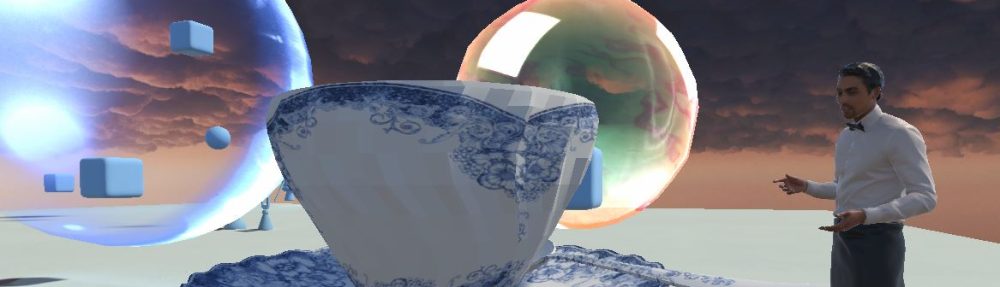
In my post about Dub-Techno artist Adrian Sherwood, I referred to the book “Dub Techno – The Orphic Experience of Sound” by Bahadırhan Koçer to describe my sound experiments with dub.
As promised in that post, the most compelling part of the book appears in its opening chapters, where he introduces “The Orphic Experience.”

The short summary is in the video below, from 0:59 to 2:23. The latter part of the video is about the three key elements of dub-techno: spontaneous repetition, atmosphere, and embracing noise.
TL;DR: The orphic experience uses music to alter perception, evoke deep emotions, and influence the listener’s state of mind. It creates a unique space and time for introspection and reflection.
Let me unpack this in stages: first the “orphic” aspect, then the “experience” element, and finally a synthesis.
Orphic
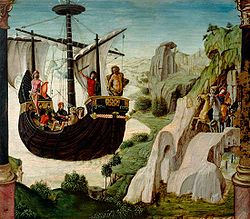
The “orphic” part originates from Orpheus, a character in the ancient Greek poem Argonautica, dating back to the 3rd century BC. The Argonauts are travellers on the boat Argo and are on a quest for the golden fleece. Somewhere along the route, sirens are trying to seduce the boatsmen. Still, Orpheus – a talented singer/musician on the boat – can shield the boatsmen from the Sirens’ temptations through his celestial, beautiful songs and voice. In other words, he was a noise canceller avant la lettre.
Some salient quotes from Bahadırhan Koçer:
The orphic experience, therefore, refers to the transformative way sound and media technologies can be used to control one’s sonic environment, creating a personalized auditory space that shields individuals from the overwhelming stimuli of modern life.
It is conceivable to argue that the nature of this transformation lies fundamentally in a shift from communal to individual listening.
The protected space needed for “sensory and emotional self-care”
In this sense, orphic experience can be seen as a way of escaping from the demands of the real world and constructing a self-contained, artificial reality.
By carefully curating their auditory environment and creating a personalized soundtrack to their lives, the individual can signal their taste and distinction to others, and distinguish themselves from those who do not possess the same level of cultural capital.
The “orphic” concerns the creation of a protected, isolated space in which the rules constraining clear thought can be suspended.
Experience
The second part is about “experience”. The words “Narrative” and “Experience” have become catch-all words. Washed-out. Weak. And they all suggest a passive audience.
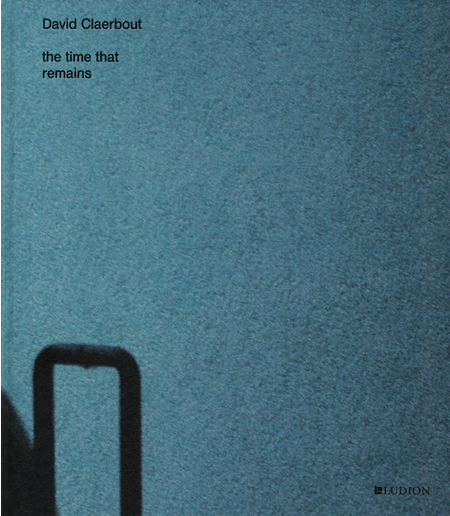
Also here, a David Claerbout quote is appropriate:
“I think the recent proliferation of black boxes for film and video-art is not just a practical solution to a problem of sound and light interference, but also reflects an incapability to coexist. This can become apparent in large group exhibitions, where media installations appear strong when they are shown by themselves in a small or large dark space, but they easily collapse when shown in a social space where people move about and interact. The black box is a social phenomenon, for me it is a problem.” Ulrichs, David, ‘David Claerbout. Q/A, in: Modern Painters, May 2011, pp. 64-66
“Designed Conspiracy” would be better to describe what I have in mind. With an active audience. Or even better, where there is no stage hosting the expert speaker and no passive audience just leaning back in chairs, incapable of truly internalising knowledge.
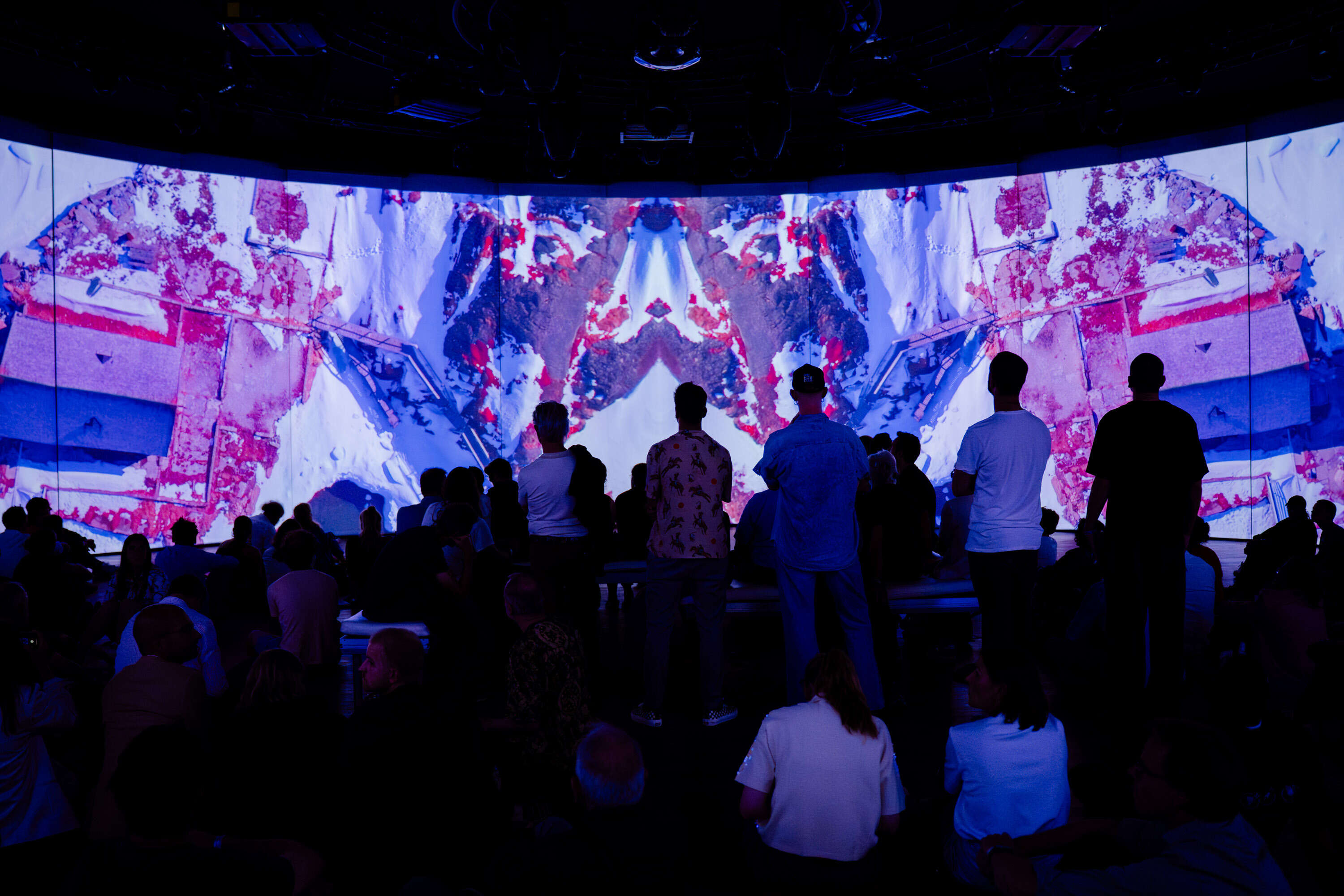
I imagine us inside a 360° immersive room: a six-metre-high LED screen, full 360 Dolby Atmos sound, LiDAR tracking, and high-definition cameras—paired with exceptional content and facilitation. A complete experience in a box, ready to tour and deploy anywhere in the world. Am I exaggerating? Maybe not. I’ve just met someone who is building exactly this.
Synthesis
Obviously, I am using all of the above as a metaphor to try to explain what I do with my artistic interventions, provocations, and interruptions. These qualities inform my work/play. Whether that is soundscapes, installations, performances, or group expeditions.
Now that we have our protected, isolated space and a designed conspiracy, it is time to play the music. Music is the content. Content is the music.
Experiencing our music – individually or as part of a group – can feel like a trip, a trance, like digital psychedelics.
The music/content is presented in the right space, with the appropriate emotional and psychological atmosphere—the backdrop, if you will—inviting and sustaining safety, interest, curiosity, awe, and growth.
The rhythm is softer, slower, quieter vs. harder, faster, louder.
We embrace – and even design – flaws and imperfections, spontaneous repetition, and noise, inviting the participants to connect with being human, and to internalise the content at an embodied level of sensory experience.
We design with fifty shades of sophistication: avant-garde activism shaped by counterculture, driven by intention and direction. We build a relational infrastructure capable of holding shared ambitions, carrying a map as a symbol of movement, of becoming. These are maps that make meaning—shifting the question from the adolescent “Where are we going?” to the more deliberate “What direction do we want?”
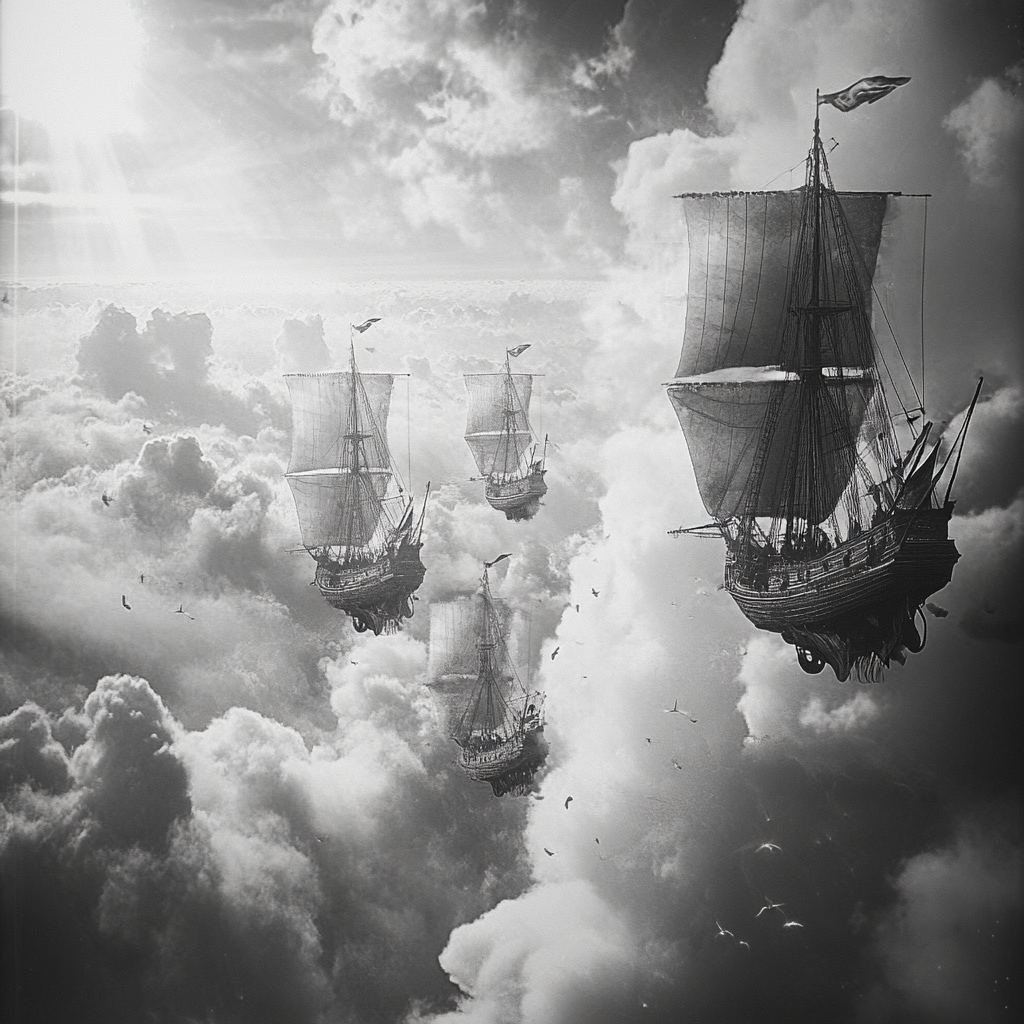
We are all Argonauts again. We are experiens-explorers. We want to create the right spaces and conditions for debating the new rules and the associated structures of reality, then acting them out as if those rules were in place. As explorers, we want to play with new rules to dream, new rules to hope, but also – not to sound too cheesy or utopian – new rules to suffer and cope with what is evil and sin. In that sense, we become all part of a shared conspiracy.
We are not in the business of homo sapiens, ludens, or faber, but in the business of homo experiens.
With thanks to my co-conspirators Josie and Andreea, for challenging me over and over again





 Petervan Studios