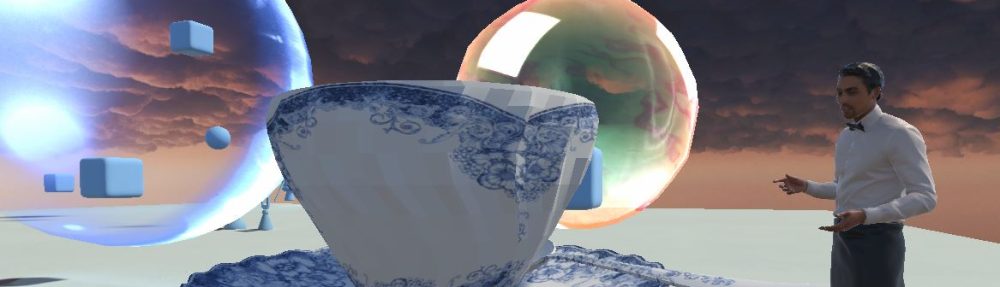
This post is part of a series of essays bundled under “Travelling without moving”.
Intro of that series can be found here.

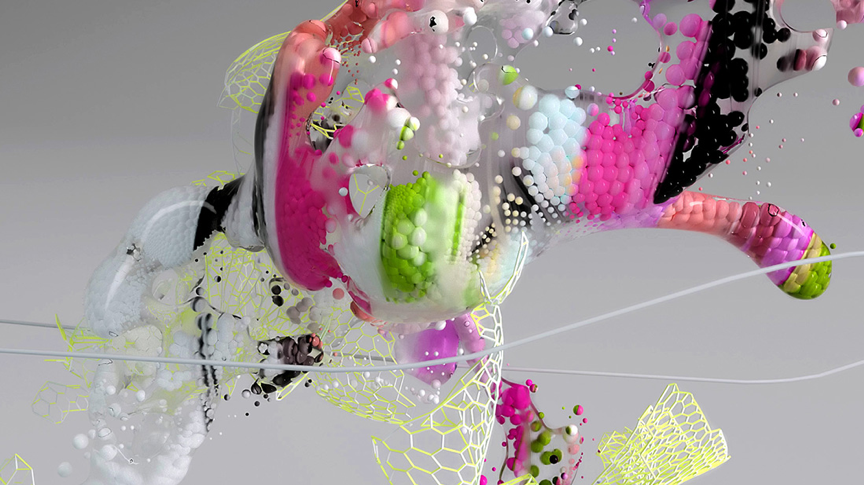
After the Unbound-post of begin March 2021, we continue with “Foam”, a way of looking at and reflecting about the world as suggested by German philosopher Peter Sloterdijk.
I will not even attempt at claiming to understand Sloterdijk and/or to summarize his magnus opus trilogy “Spheres, Bubbles and Foam”.
I just want to share some tangential thoughts that “bubbled-up” when reading about it.
See also my 2019 post “The Foamy Explosion of Everything” and this good introduction by Charlie Hueneman
Foam is organic as in relating to or derived from living matter.
As opposed to inorganic.
Organic/Inorganic is similar but still different than the Analog/Digital or Kairos/Chronos.
It is tangential to human/non-human.
“In geometry, a tangent is a straight line that touches a curve at a single point. So we say that someone who starts talking about one thing and gets sidetracked has gone off on a tangent. The new subject is tangential to the first subject—it touches it and moves off in a different direction.(Merriam Webster)”
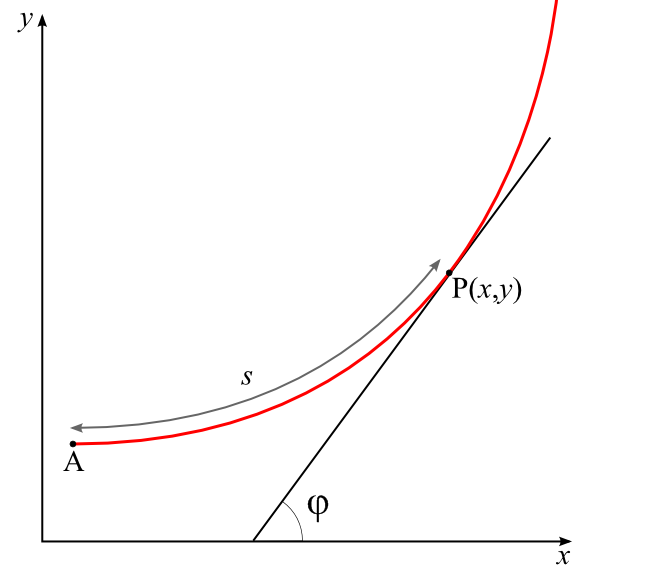
Consider the curved line as the outer shell of the foam bubble, its membrane.
What the tangent is doing is snapping to the grid.
Foaming is about snapping without a grid.
Freewheeling and unpredictable.
Uncomfortable if a grid is the only thing you know, but full of potential and dispositions if you let the foam emerge.
Foam as “unsnapped from the grid”
Foam has no direction.
Following foam is like driving a road that is not road, emerging continuously.
Foam is about relations.
Between people.
Foam-mates
From general relativity to relativity of relations.
The quality of the relation depends on the viewpoint.
The quality depends on the dispositions and emergent potentials of relations
Foam is an emergence of dispositions and potentials
For a life of play is no genuine human life;
But is it really?
We now have affluence and surplus, for the first time in human history.
Hueneman
Constant’s New Babylon or the Biosphere 2 project come to mind.
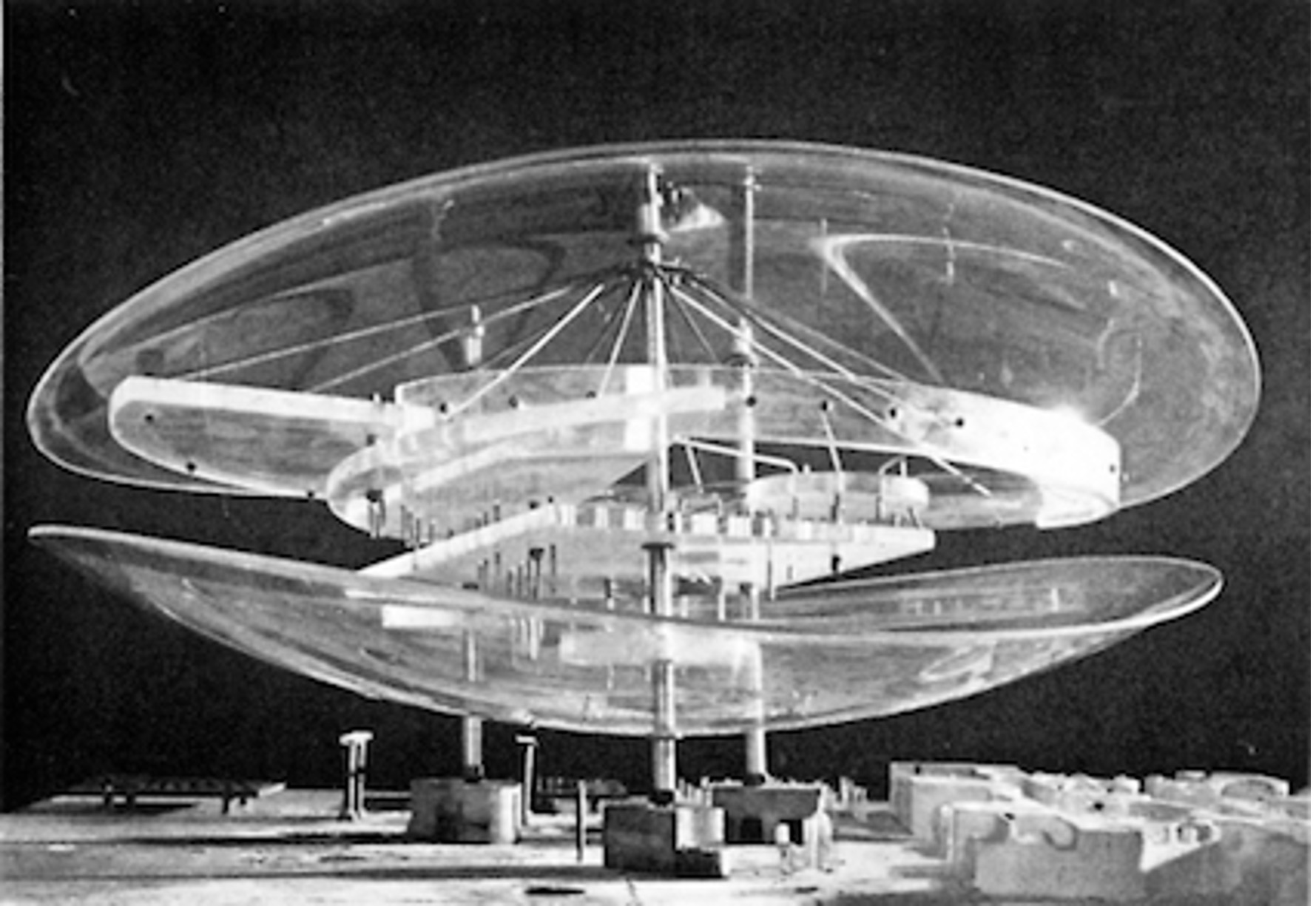

You are part of multiple spheres: the bigger ones like “world”, or “earth”, or “continent”, or the smaller “bubbles” like “province”, or “institution”, or “corporation”, and the smaller foam bubbles, as “communities” of influence, attraction, care, intimacy and attention.
It is a fragmentation, but one with soft borders/membranes.
Not splintered like broken glass, but organic and lubricous and smooth like the soap bubbles in the hot tub.
And the assemblage of all this is dynamic, changing and interacting all the time, like a complex adaptive system.
In her 2021 Tech Report, Amy Webb identified more that 100 new signals.
A fragmentation of signals.
A fragmentation of everything, entangled like foam.
Abundance.
Wealth has come to us like a thief in the night
Sloterdijk
How would one design for and in such a system?
Designing space and context for 1000 flowers to blossom, for 1000 bubbles to co-exist…
I have a hunch that Ann Pendleton-Jullian and John Seely Brown may have some suggestions in Design Unbound.
Or check-out “Medium Design” by Keller Easterling, who writes about dispositions of interdependent objects and spaces; or should I say “spheres”?
“Disposition is a latent agency or immanent potential—a property or propensity within a context that unfolds over time and in the absence of a reifying event or an executive mental order.” Keller Easterling
Dispositions and propensities are becoming part of roaring 20’ies thinking.
So are spheres, bubbles and foam.
Because we are hungry for new communities of intimacy and connection.
Next time we’ll talk about “Inappropriateness”, as a badge-of-honor that is.
Hope you stay on board.
Warmest,





 Petervan Studios