Last Ride of 2021. Not so many new releases this month. But still a good list. Try it out. Play in shuffle mode to improve the surprise experience. Enjoy and happy new year!
Petervan’s Ride – December 2021
Reply
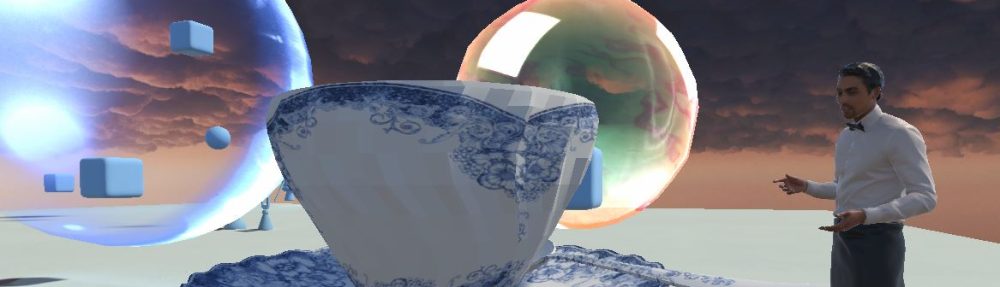
Last Ride of 2021. Not so many new releases this month. But still a good list. Try it out. Play in shuffle mode to improve the surprise experience. Enjoy and happy new year!
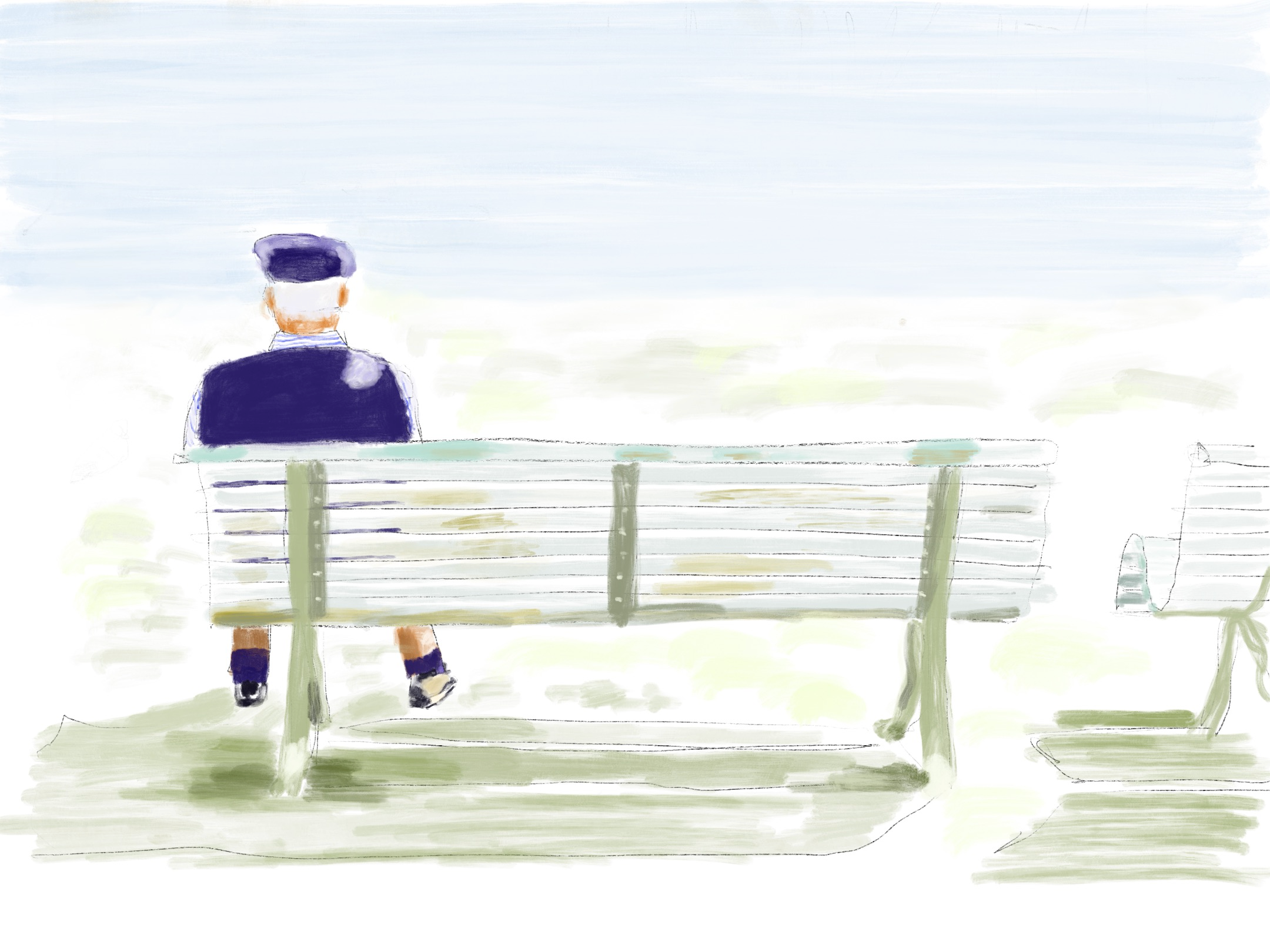
Petervan Artworks © 2021 – The Bench – Procreate on iPad
I did not realize it’s already three months since the previous edition of Delicacies. On this December 2021 solstice, here is some fresh harvest. Also some new or fine-tuned categories. As usual, an incoherent, irregular, unpredictable collection of interesting sparks. Handpicked, no robots. Minimalism in curation. Hope you like it. Happy holidays. Enjoy!
If you can’t get enough of these and want more, you can hang on to the firehose, the extended version of Petervan’s Delicacies in REVUE. Also in this edition with loads of videos. Subscribe here: https://www.getrevue.co/profile/petervan
This month’s collection of new releases, and some very few oldies. Try it out. Play in shuffle mode to improve the surprise experience. Enjoy!
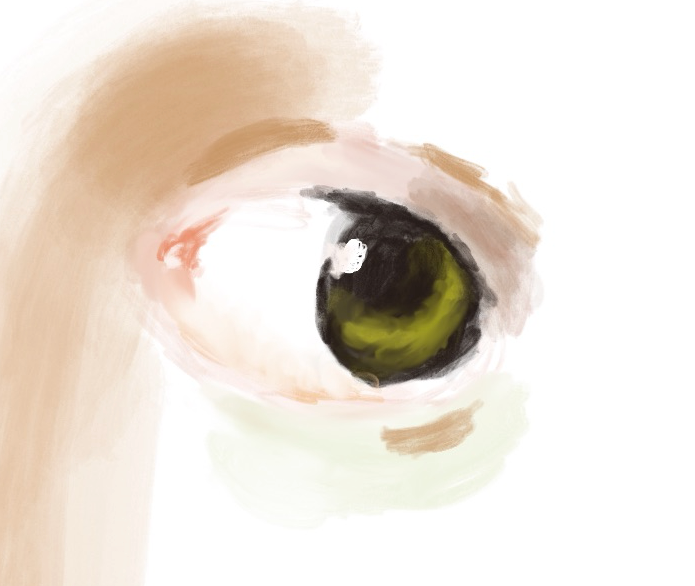
Petervan Studios © 2021 > Digital artwork > Eye in Procreate
Last week, I went to the Foto Museum (FOMU) in Antwerp to see the expo Masculanities – Liberation through Photography. This expo was already at The Barbican in London in the summer of 2020. I had some time left, and a slipped into the adjacent expo Re-Collect, an overview of a decade of acquisitions of FOMU.
Very similar to my first encounter with the work of Belgian fashion designer Dries Van Noten – see my post “Confused by Beauty” from 2015 – I was touched and moved by the video installation “KING” (2015-2016) by Belgian artist David Claerbout.

“David Claerbout (b. 1969) is a Belgian artist, whose work combines elements of still photography and moving images. Using photography, video, and digital-editing tools, Claerbout creates large-scale video installations that provoke questions of time, memory, and truth. Solo exhibitions include Van Abbemuseum in Eindhoven, Centre Georges Pompidou in Paris, National Museum of Contemporary Art in Athens, Pinakothek der Moderne in Munich, and SFMoMA in San Francisco.”
From the FOMU site:
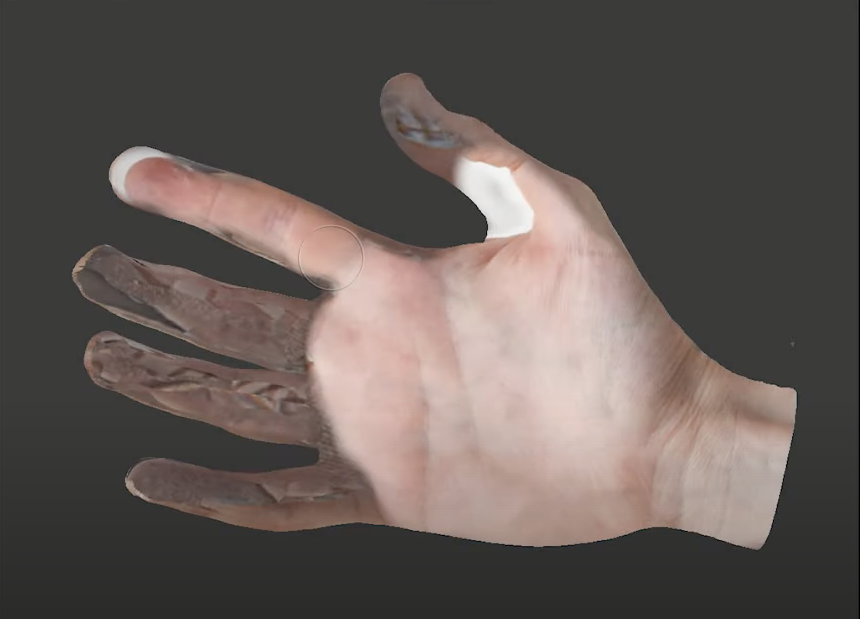
The viewer sees a digital 3D environment based on a private photograph of Elvis Presley. The photograph was taken in 1956, when Presley was on the cusp of world fame. This was a time when the photographer, Alfred Wertheimer, could still get close to the man—before the transition from ordinary human to icon, from normal life to an era of superstardom and spectacle. David Claerbout modelled Elvis’ body using hundreds of photographic fragments of his skin and facial features. He challenges the two-dimensional nature of the photograph by adding virtual time and space. Photography is both the launching pad and the subject of KING. Claerbout confronts the viewer with the transition from looking through a lens to looking by means of a scanner. This radical reversal of normal observation means that you seem to creep into the image. Claerbout uses the artistic, conceptual and technical perspectives to question our way of looking.
FOMU has a short 5 min artist video on their site, with Dutch and English subtitles.
That was enough to get me really interested, and I found another great 30 min interview video with David Claerbout at Louisiana Channel. He explains how the whole project was made: they even used a stand-in model and stitched together thousands of pictures of Elvis’ skin on the 3D scan of the model. Amazing!

Showing us around in his “studio” – actually many different rooms in an old Flemisch house in Antwerp – Claerbout is very articulate about his work and practice and I found this super inspiring, as I am preparing next year 2022 as my year to professionalize my own art practice.
He opens with:
“I am an artist, and I do not know exactly what it is what I am doing, it seems I am changing my ways all of the time, but I am a self-taught very hungry autodidact in the domain of the moving image animation film video and what we could call virtual image making.”
As we walk through his studio, we see his drawing-room, how he started building an archive of images, how his team is usually working on one project at the time, having all equipment inhouse, two recording studios, including a small server farm in the basement to render image/video in the most optimal way.
Throughout the whole interview, there transpires a mood of silence, integrity, dedication, focus, discipline, professionalism. His origins are in painting, and drawing, and lithography.
The interview/walkthrough is full of inspiring insights, provocations,
WHAT IS IT THAT I CAN CONTRIBUTE?
MY WORK DOES NOT HAVE ANYTHING SHOCKING
I WANT TO DEVELOP A LANGUAGE
SPEAKING/WORKING WITH PEOPLE THAT YOU ARE CONFIDENT WITH, THAT YOU CAN TRUST
WHAT IS IT THAT BINDS EVERYTHING TOGETHER?
CHRONOS – KAIROS – HETEROCHRONY – THE PLURALITY OF DURATION
PRIVILEGED MOMENTS
BEING NOT AT THE CENTER OF THE COMPOSITION
THE CAMERA AS A VAMPIRE
THE RELATION BETWEEN OUR THINKING AND OUR PERCEPTION
YOU DON’T WAIT FOR BUDGETS, YOU DON’T WAIT FOR PEOPLE, YOU JUST DO IT
THE DELICATE CENTER
HOW DO WE LIVE WITH VIRTUAL MATTER?
WE HUMAN BEINGS ARE PROGRAMMED TO TRUST
WE ARE NOT PROGRAMMED TO PUT OUR SENSES INTO QUESTION
WE FIRST WILL BE SPONTANEOUS BELIEVERS AND THEN WE WILL BE ANALYTICAL
I WRITE A LOT, I DON’T PUBLISH A LOT BECAUSE IT IS SO TIME-CONSUMING
LIFE IS NOT LONGER A TAPE THAT RUNS FROM BEGINNING TO END
THE TRINITY OF PAST-PRESENT-FUTURE IN THE VIRTUAL REALM
EVERYTHING IS BUILT OUT OF TWO
A BUILT-IN REDUNDANCY
LAZINESS AND ENERGY
SHARING DIRECTLY BY SITTING TOGETHER
WE PERFORM AND AT THE END OF THE EXHIBITION THE PERFORMANCE IS OVER
THERE IS NO SUCH THING AS THIS INCREDIBLY EXPENSIVE VALUABLE SINGULAR ARTWORK SITUATED SOMEWHERE IN TIME NOT IN PARTICULAR MATTER
SOMEWHERE IN THE SMALL FOLDS OF TIME, THERE ARE ENCOUNTERS
WHAT IS THE LIMIT? WHERE IS IT?
THE PRIVILEGE OF THE ARTIST OF HAVING TIME TO WASTE
THE ARTIST DOES NOT HAVE TO BE EFFICIENT
IT IS QUITE LOUD WHEN THERE IS NO SOUND
It is clear that Claerbout is full of poetry. As Norman Foster used to say “I can write you a letter, but a poem?”
No wonder the “KING” and some others I discovered in the meantime are so well resonating with where I am now and where I would like to be the next years. I may post some other inspiring stories in the weeks and months ahead as part of my transition to and professionalization of my art practice.
Warmest,
This month’s collection of new releases, and some very few oldies. Try it out. Play in shuffle mode to improve the surprise experience. Enjoy!
The time that we could organise our companies without acting too much on global evolutions lies long behind us. Leaders understand more than ever that tackling world challenges not only creates a better context for all of us to live in but also presents fantastic business opportunities. It’s why am thrilled to be one of the curators of nexxworks’ Mission NXT program, designed to help leaders turn global trends into opportunities.
For those who are truly passionate about fostering this type of outside in vision, here are five (zero bullshit) books that fundamentally changed and formed my thinking in the matter over the years.
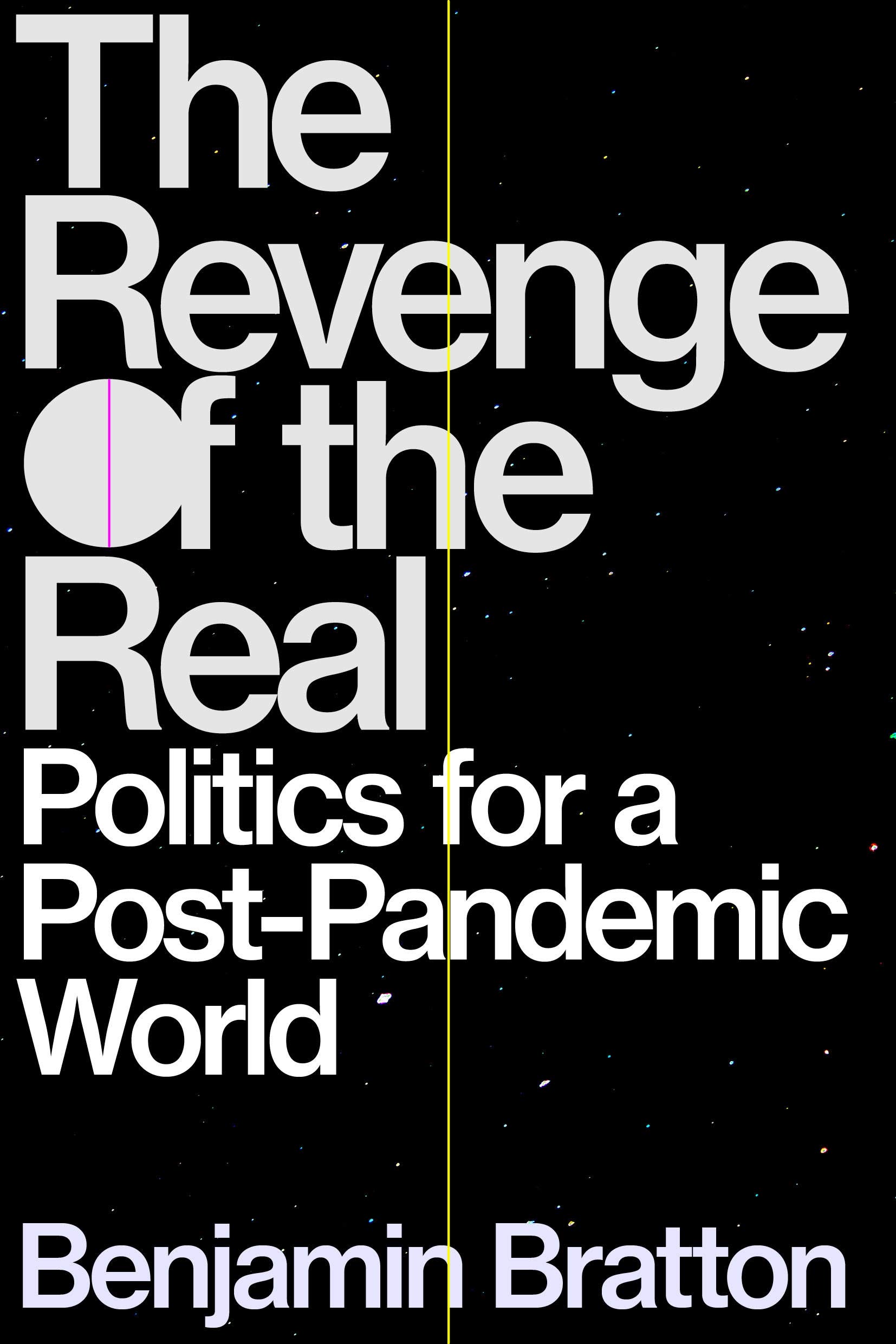
The pandemic showed us that we are completely unprepared to cope with our current deeply entangled world. According to Bratton, we need a “positive biopolitics” and an AI-based instrumentation of the world. He offers a refreshing way of thinking about sensors which is quite different from the worn out song about the surveillance state.
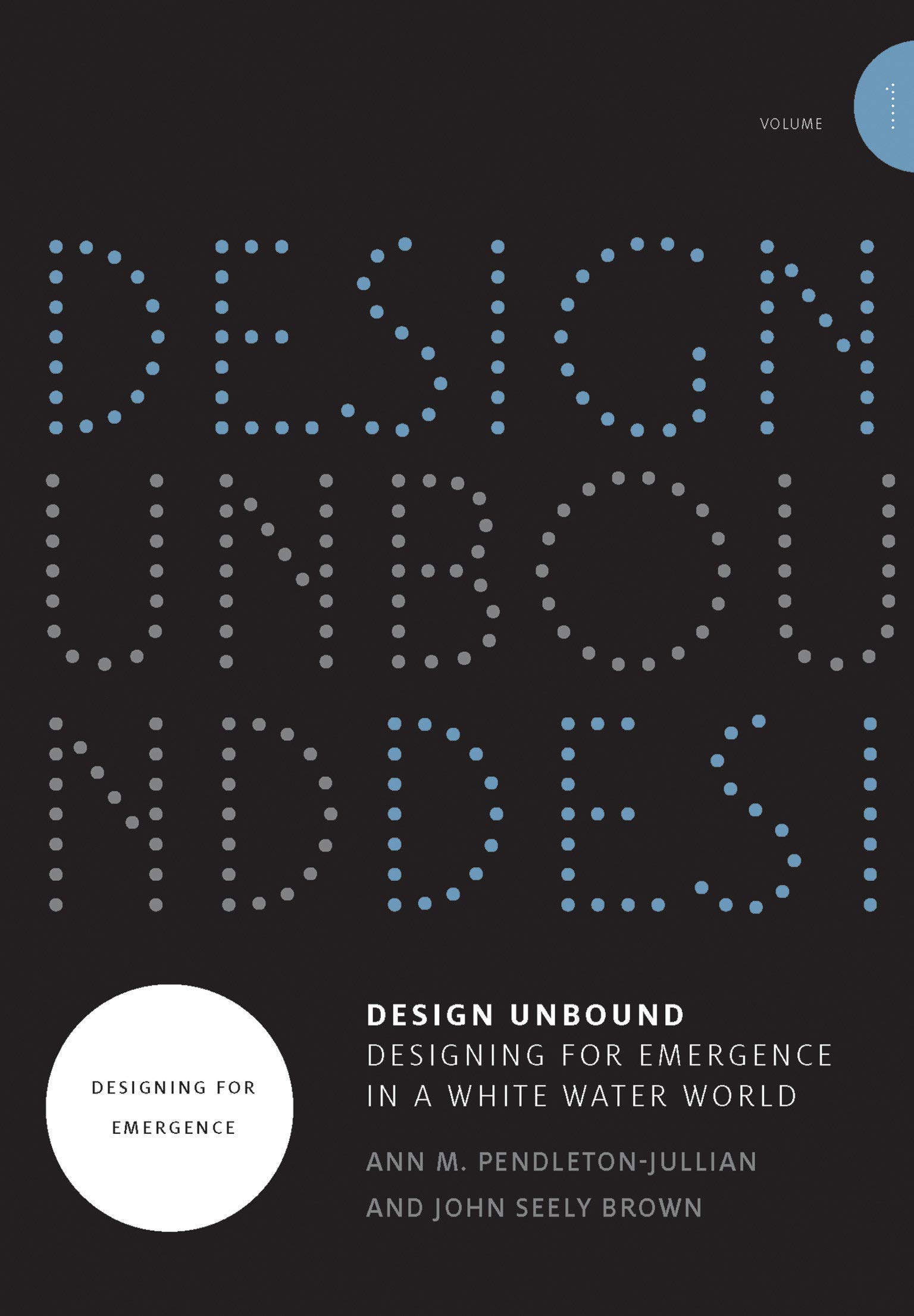
Read this if you want to understand how you can design for emergence in the Never Normal. You’ll need your full attention (it’s not a ‘light reading’ project), but in return you’ll receive two volumes of unique and well researched insights to help you better see what is and what can become. This is truly one of the most important business books I ever read.
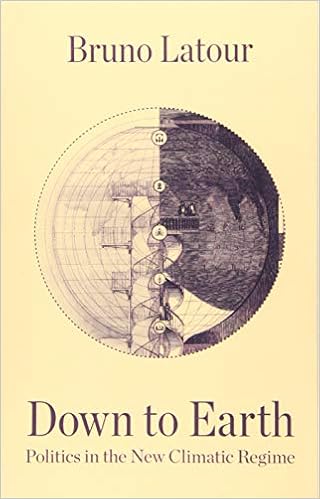
Latour calls for a third way in climate politics which is left nor right: a path between libertarian globalism, and leftist localism. One that is anchored in planet earth. Read this if you want to get to know one of the most important philosophers of the 21st century.
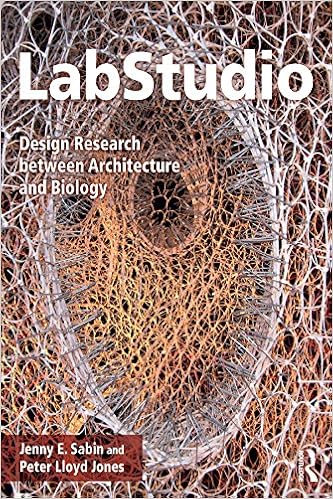
Sabin and Lloyd Jones tackle the concept of the research design laboratory in which funded research and trans-disciplinary participants achieve radical advances in science, design, and applied architectural practice. The book demonstrates new approaches to more traditional design studio and hypothesis-led research that are complementary, iterative, experimental, and reciprocal.
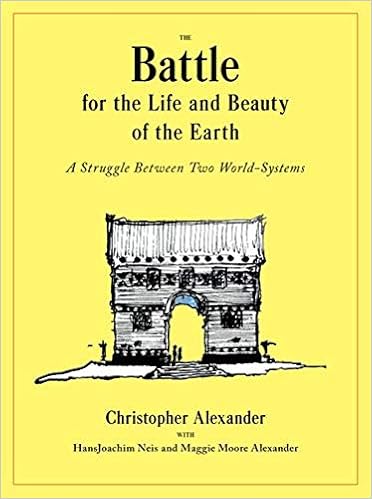
This real life story of American architect Christopher Alexander designing and building the Eishin university campus in Japan serves as an analogy for the battle between two fundamentally different ways of shaping our world. One system places emphasis beauty, on subtleties, on finesse, on the structure of adaptation that makes each tiny part fit into the larger context. The other system is concerned with efficiency, with money, power and control, stressing the more gross aspects of size, speed, and profit. This second, “business-as-usual” system is incapable of enabling the emotional, whole-making side of human life, according to Alexander, who then goes on to present a new architecture.
Warmest,

This post was originally posted on the nexxworks company blog, on the occasion of Mission NXT, which I help curate
As usual, an incoherent, irregular, unpredictable collection of interesting sparks. Handpicked, no robots. Minimalism in curation. There is a shitload of new stuff this month. I tried to be extra disciplined and clean out the obvious, and what you’ve probably already seen elsewhere. Spread the word. Enjoy!
If you can’t get enough of these and want more, you can hang on to the firehose, the extended version of Petervan’s Delicacies in REVUE. Also in this edition with loads of videos. Subscribe here: https://www.getrevue.co/profile/petervan
Petervan Studios © 2021 – Soundscape “Repetitions”
 Petervan Studios