Formats can be analog and digital artwork, performances, events, retreats, writings, poems, blogs, installations, exhibitions, immersions, soundscapes, recordings, documentaries, time capsules, AI warps, and fairy tales 😉
Interventions help us rediscover what is real, what resonates, what makes us go into frequency, what moves us, etc. And all this with a direction, with an intention: to enable spiritual, moral and aesthetical advancement at systems’ scale.
During my visit to SFMOMA on 15 Nov 2019, I was standing on the terrace of the 7th Floor looking North-East into Natoma Street, and wondering what the curved-walled building on the left was about.
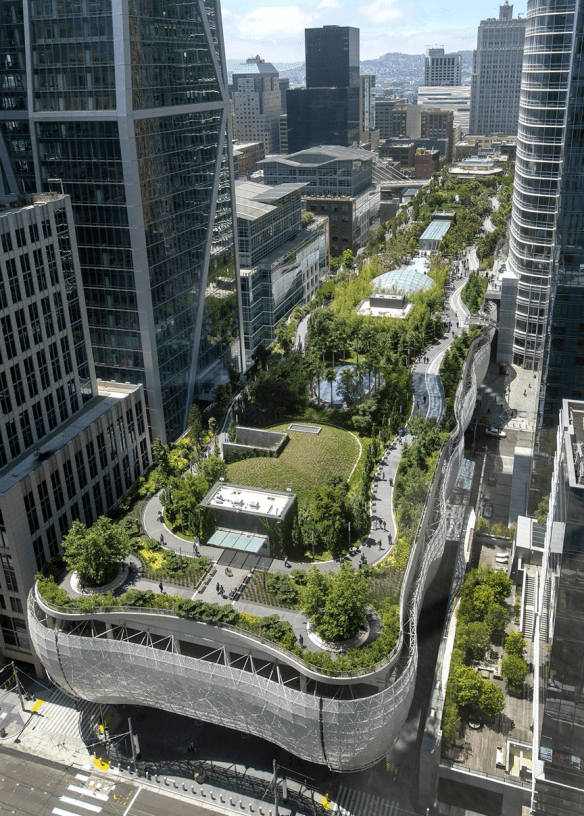
I did not pay much attention until I was reminded of this view in this article about floating utopias in The New-Yorker of 11 Dec 2019. Below is a view from the other side, probably taken from the Providian Financial rooftop on Beale Street, looking South-West. At the far end, you may recognize the SFMOMA building. The building in the front is Salesforce Park, a lush rooftop arcadia of rolling meadows.
Salesforce Park.Photograph by Karl Mondon / The Mercury News / Getty
The article in The New-Yorker is about the utopian, surveilled and orchestrated architecture in the middle of the astonishing inequality of homeless people in all the other streets of San Francisco:
Taxpayer-funded, corporately branded, suspended above the homeless, the park is an irresistible metaphor for the city’s socioeconomic tensions. It also feels like a bid, or a prayer, for a certain vision of its future.
Salesforce Park as a model for the rest of San Francisco—vertical, expansive, ecologically minded, expensive, sponsored, and surveilled.
“I feel totally orchestrated,” Cranz said, placing her hand on the railing separating us from the plant life. “I’m acutely aware of how managed everything is.”
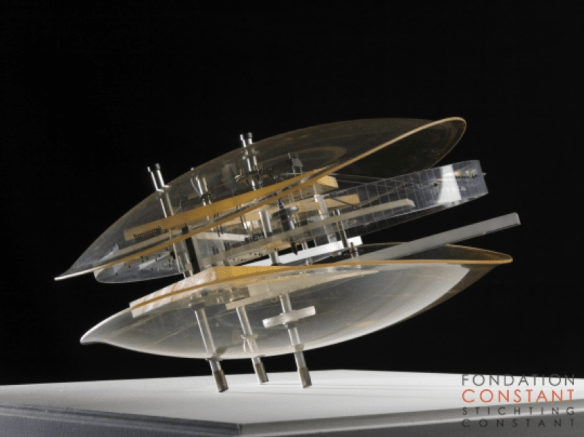
Two days later, I bumped on-line into the magical world of the Dutch artist Constant Nieuwenhuis and especially his Magnus opus “New Babylon”, another utopia, a city designed to respond to Homo Ludens’ need for playing, for adventure, and for mobility.
In New Babylon there are no single houses
The whole city is one immense covered collective house
A house with countless rooms, halls and corridors,
In which one can roam for days or weeks,
But where one can also find
Small spaces for privacy
New Babylon is a labyrinth
Inexhaustible in its variations
A palace with a thousand rooms
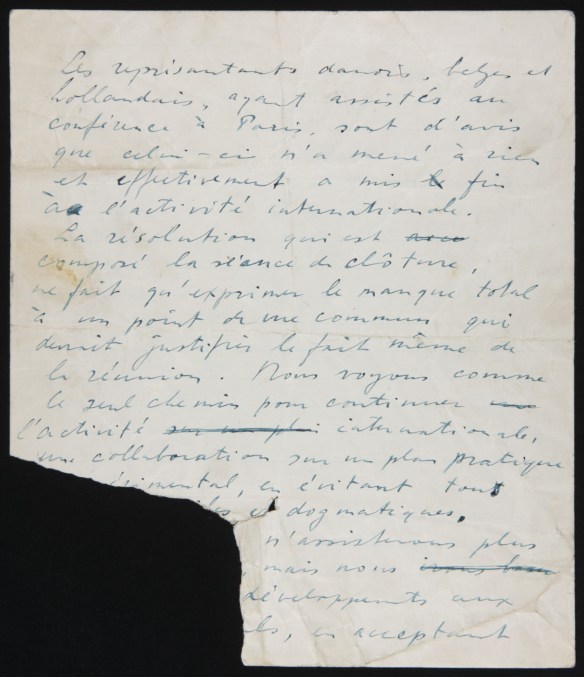
Constant was one of the founders of Cobra, an avant-garde art movement established on 8 Nov 1948. The movement only existed for three years, but forever changed the landscape of postwar European art. Cobra was perhaps the last avant-garde movement of the twentieth century. Constant was the author and co-signee of the initial COBRA Manifesto “La Cause était entendue” – “The Case was Settled”.
Les représentants belges, danois et hollandais à la conférence du Centre Internatiopnal de Documentation sur l’Art d’Avant-Garde à Paris jugent que celle-ci n’a mené à rien.
La résolution qui a été votée à la séance de cloture ne fait qu’exprimer le manque total d’un accord suffisant pour justifier le fait même de la réunion.
Nous voyons comme le seul chemin pour continuer l’activité internationale une collaboration organique expérimentale qui évite toute théorie stérile et dogmatique.
Aussi décidons-nous de ne plus assister aux conférences dont le programme et l’atmosphère ne sont pas favorable à un développement de notre travail.
Nous avons pu constater, nous, que nos façons de vivre, de travailler, de sentir étaient communes ; nous nous entendons sur le plan pratique et nous refusons de nous embrigader dans une unité théorique artificielle. Nous travaillons ensemble, nous travaillerons ensemble.
C’est dans un esprit d’efficacité que nous ajoutons à nos expériences nationales une expérience dialectique entre nos groupes. Si, actuellement, nous ne voyons pas ailleurs qu’entre nous d’activité internationale, nous faisons appel cependant aux artistes de n’importe quel pays qui puissent travailler – qui puissent travailler dans notre sens.
After reading “Homo Ludens – A Study of the Play-Element in Culture” by Johan Huizinga, Constant develops the idea for a futuristic city. He develops this idea by drawing maps, writing texts, building constructions, and models.
Constant worked for almost 20 years on New Babylon (1959-1974). Today, there is a foundation to preserve and promote the art collection and intellectual legacy of the artist.
From Wikipedia:
The goal was the creating of alternative life experiences, called ‘situations’
Perched above ground, Constant’s megastructures would literally leave the bourgeois metropolis below and would be populated by homo ludens–man at play.
In the New Babylon, the bourgeois shackles of work, family life, and civic responsibility would be discarded. The post-revolutionary individual would wander from one leisure environment to another in search of new sensations. Beholden to no one, he would sleep, eat, recreate, and procreate where and when he wanted. Self-fulfillment and self-satisfaction were Constant’s social goals. Deductive reasoning, goal-oriented production, the construction and betterment of a political community–all these were eschewed.
It is obvious that a person free to use his time for the whole of his life, free to go where he wants, when he wants, cannot make the greatest use of his freedom in a world ruled by the clock and the imperative of a fixed abode. As a way of life Homo Ludens will demand, firstly, that he responds to his need for playing, for adventure, for mobility, as well as all the conditions that facilitate the free creation of his own life.
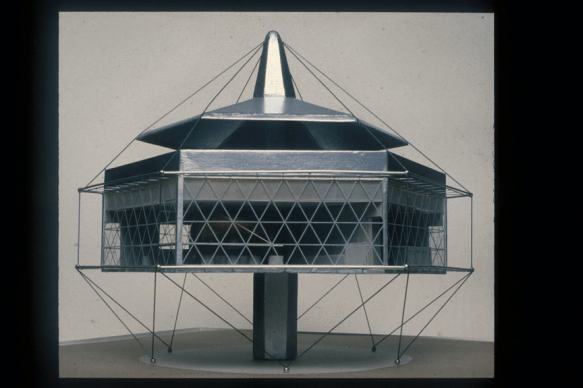
Some of the constructs in Constant’s vision reminded me of the sketches and models of Buckminster Fuller’s Dimaxyon House of 30 years earlier).
Buckminster Fuller, Dimaxyon House, Chicago, USA, 1927
Constant passes away in Utrecht on August 1st, 2005, at home with his wife Trudy van der Horst. He is buried at Zorgvlied in Amstelveen on August 6th. On his grave:
In art freedom manifests itself in its highest form. The creative imagination. Art creates an image of the world that didn’t exist before. No. More than that. An image that was unthinkable before.
I’d love to see a 21st-century version of Cobra, a collective of artists, thinkers, creators, tinkerers, and experimentalists, leading into a movement of fresh thinking. Not necessarily and exclusively an art-movement, but an all-encompassing societal-movement, with more time and air and oxygen for our children to play, where they naturally can grow into what they are best at, with a renewed freshness and renaissance, a new corporate and societal spring, celebrating the power of imagination and creativity, as a response to our dull political landscape of non-zero games.
A new New Babylon, a new city to play, a new avant-garde propelling us into the highest forms of freedom.
Byrne, left, and fellow members of the 12-person, gray-suited cast.Photo Credit: Bryan Derballa for The New York Times
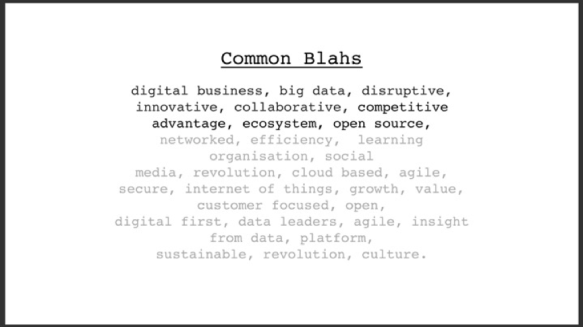
It was Robert Fritz who pointed me at the meaninglessness of glorifying terms like “deep”, “meaningful”, “sustainable”, etc. especially in combination with corporate common blahs like “innovation”, “disruption”, “ecosystem”, and “change”
Simon Wardley's Common Blahs
Just try it: meaningful change, deep change, sustainable learning organization, etc. Utterly nonsense. But what if we would embrace another form of nonsense, another form of meaninglessness? Another form of plainness, elegance, pure joy from form?
It was this article about David Byrne’s Utopia Tour in the NYT, that lead me into the wormhole of Dada poetry, and later into the other art movement Cobra and its related Cobra Manifesto (Cobra is for a subsequent post).
“I thought plain but elegant suits would unify us and help reveal us as a tribe, a community,”
What was that song with the nonsense lyrics?The lyrics for “I Zimbra” were derived from “Gadji beri bimba,” a 1916 phonetic poem by Hugo Ball, the German author-poet and co-founder of Dada. More than a half-century after Ball strove to stop making sense, he got a writing credit for the opening track on the Talking Heads album “Fear of Music.”
Gadji beri bimba clandridi
Lauli lonni cadori gadjam
A bim beri glassala glandride
E glassala tuffm I zimbra
Kadó? Cadeau? Maybe it’s a matter of learning to be better at the art of accepting presents or pure gifts. The text above is the last ‘movement’ of the Ango laïna by Rudolf Blümner, a kind of phonetic cantata for two voices from the year 1921. Blümner described it as an ‘absolute poem’. The Ango laïna demonstrates what poetry can be after it is emancipated from the vocabulary, grammar, rhetoric, and phonetics of the German language.
It made me think about what makes me happy and unhappy. Unhappiness caused by dullness, not making the most of it, chatter, irrelevance, not being in the moment, Being distracted from what you are supposed to be, to do,…
This is not about boredom. I can be perfectly happy in full boredom. I can be perfectly happy in full silence. I can be perfectly happy in full nothingness
Happiness is about being in the perfect “bubble” or “sphere” of belonging and relevance. This is beyond Maslow’s hierarchy of needs. It is getting closer to Nitin Nohria’s four drivers of motivation (see also my 2011 post on Lipstick on Pigs):
The drive to acquire,
The drive to defend,
The drive to bond, and
The drive to learn
Without stress, fatigue, and unhappiness. These happen when:
You cannot decide the pace of viewing (credit to my art teacher Fiorella Stinders)
You cannot decide the pace of creating (credit to Geert Lovink)
Happiness, in essence, is about not being withheld. Withheld by tempo. Withheld by form. Withheld by meaning.
This form of meaningless joy is what attracts me to the Dada movement.
In my next post, we’ll get into the Cobra movement, and why their ideas of playfulness are relevant in today’s thinking about society.
I always have been intrigued by spheres. From my exposure as an youngster architecture student, through the discovery of Buckminster Fuller’s Geodesic Domes, from my thinking about digital identity being a sphere of fragments of influence that one could share with others, till my recent discoveries in exploring 3D drawing and sculpting software, where meshes of polygon meshes and NURBS primitives can be found and molded-in in abundance.
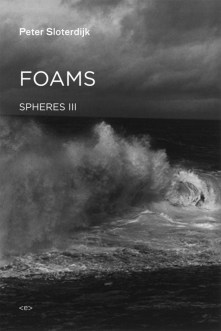
It should therefore not come as a surprise that – as mentioned in my Dec 2019 update – I became absolutely fascinated by Sloterdijk’s “Foams”, part-3 of his trilogy on Bubbles, Spheres and Foam.
I probably – with a probability of 100% – only understand a very small fraction of what is written and meant by Sloterdijk, or by some of the authors of essays introducing and contextualizing his work. I did some homework for this post by reading and reading again the excellent introduction by Jean Pierre Couture on the work of Sloterdijk in general, and Charlie Huenemann’s “Sloterdijk’s Spheres: Bubbles, Globes, and Foams”. And then starting the real thing by the master himself. It is not a page-turner: 900 pages of solid philosophical writing. I can do a maximum of 5 pages/day and need time to let it all sink in. That should do as far as the disclaimers are concerned.
Indeed, this is just a personal thought experiment – and maybe an art experiment or performance as well in the near future – re my evolution on thinking about (digital) identity, and daring to propose a different, radical and spherical perspective.
It’s a baby-idea, just out of the womb, waiting for parents and caregivers to be nurtured, and made alive. There is no practical application for this as far as I can think of, but it just feels I am onto something.
My latest contribution was The Cambrian Explosion of Identity from February 2019, already intended then as the start of a series on the subject, but other priorities distracted me from further development. Let’s add some “spherology” to the mix now.
„Peter Sloterdijk’s celebrated „Spheres“ trilogy is a 2,500-page „grand narrative“ retelling of the history of humanity, as related through the anthropological concept of the „Sphere”,… a lengthy meditation of Being and Space — a shifting of the question of „who we are„ to a more fundamental question of „where we are.“
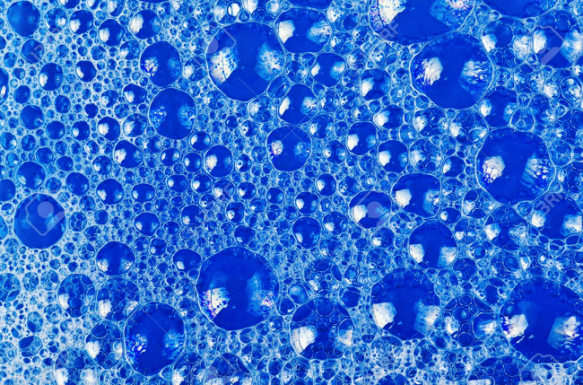
“Foams are masses of little bubbles, of course. As a metaphor, foams represent smaller zones of inclusion filled with the air of hope.” Huenemann, Charlie.
“And this, in essence, is what Sloterdijk sees as the project of the modernity: the business of constructing bigger and bigger shells, with more Lebensraum for the soul.” Huenemann, Charlie.
I used to think of a robot as an entity that has a body, a mind, and sensors for input/output computation. A computational machine. But to me, it seems just a bit too easy to separate the mind and body, and to replace the mind with some form of artificial intelligence.
It feels like Sloterdijk describes “being” – being in the world, coming into the world, creating your own world and make it become alive, worlding – as acting as-a-foam, not as a “body”, a body with a brain on top that thinks. He is after the wholeness of foam and its integration and relationships with upper and lower levels of spheres and bubbles.
The metaphor of foam is a very solid one: what was before foam, what happens after the foam disintegrates? Where does foam go, what caveats is it trying to fill? All interesting avenues for research and investigation.
It also made me think of this strange creature – the blob with 720 sexes – that foams over old wood trees as a monster we can all learn from?
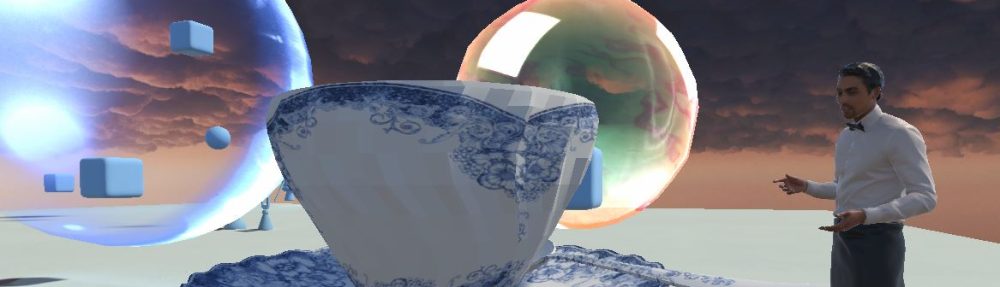
Because of this sudden focus on foamy shapes, I see bubble-structures everywhere. I see foam in this discovery of Christian Mio Loclair’s art installations, interventions, and interpretations. His studio “Waltz Binaire” works for the biggest brands in the world.
He explores the harmonic friction of human bodies, movement, and nature colliding with digital aesthetics. Using cutting edge technology in interactive installations, audio-visual experiences, visual narratives, and dance performances, he continuously illuminates the beauty and drama of human identity.
“Yet the vision algorithms have of our future is built on our past. What we teach these algorithms ultimately reflects back on us and it is, therefore, no surprise when artificial intelligence starts to classify on the basis of race, class, and gender. This odd ‘hauntology’1 is at the core of what is currently discussed under the labels of algorithmic bias or pattern discrimination.”
Current identity thinking is based on past data. On graphs. On connections and relationships between “nodes”, “end-points” of a relatively fixed and static structure. With the extraction of value built on top of that past, amplified by AI. The past amplified.
But we did not notice that the nodes have become overlapping cells of belonging. The attractiveness of a “foamy” group- or individual-identity is that it is not fixed and static. It is “expansive”, not “extractive”. It adds value. It grows unpredictably into the future. Not like extrapolations of last year’s revenue growth. More like fruit maturing into a juicy ripeness.
Foam is dynamic. Made of bubbles, it lives within and across spheres of influence (both in the sense of actively influencing and passive being influenced).
Foam is not static. It is alive. In search of higher levels of aliveness. Until it dies. And only blobs of dust and air are left.
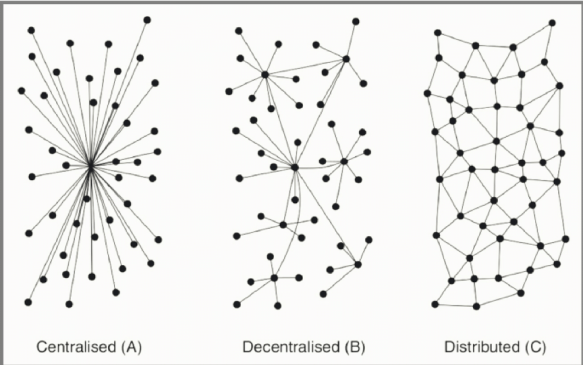
I see foam in Paul Baran’s network models:
Centralized, decentralized and distributed network models
Paul Baran (1964)
What’s the impact of foamy logic on organizational models? How does a foamy organization look like? What’s the shape of D?
Are we moving from Graphs to Foams? From Nodes to Bubbles? What would nodes and endpoints be called in the foam-world anyway? Are we foam? It feels like I am going down a rabbit hole of foam. From fuzzy to foamy logic?
This post is the start of a short series of posts on who and where I am/you are, and a set of new interventions and provocations to renew aliveness and alertness in what we observe and what we hope for. Looking forward to creating spiritual, moral and aesthetical advancement together.
You can subscribe via email to these posts via the “Follow blog via email” in the upper right corner of this page. Enjoy!
An irregular update on what happened since my previous August 2019 post and some updated plans. With lots (!) of images and videos 😉 Looks like I have been busy, but it did not feel that way.
The Artschool Project
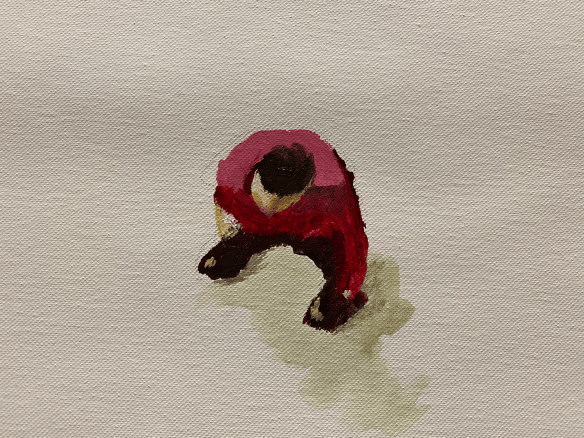
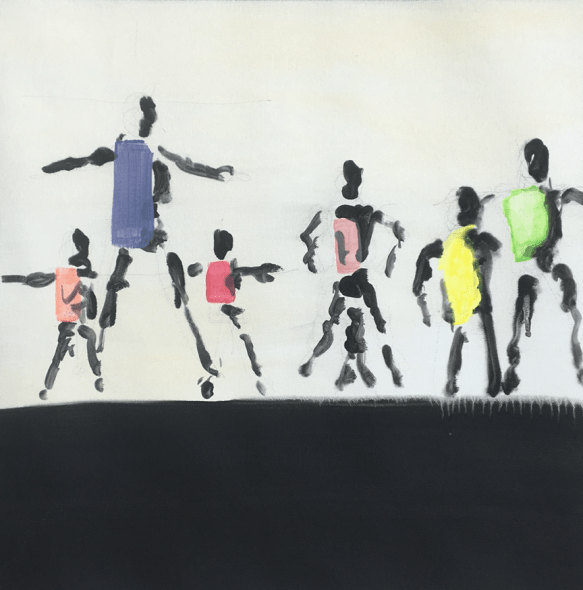
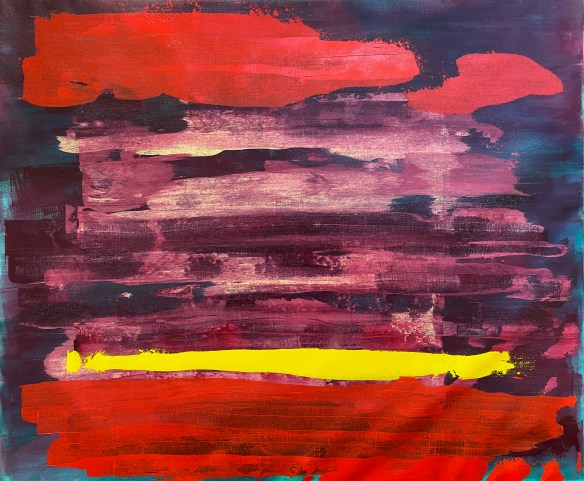
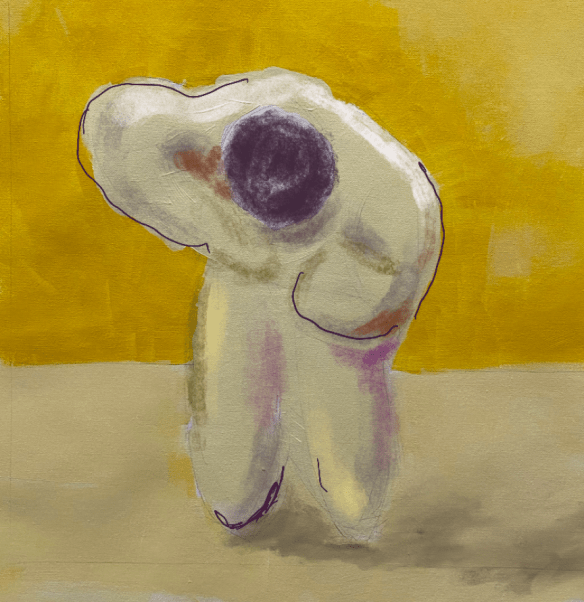
The Artschool academy year started again in Sep 2019, and I decided to do a cross-over year combining Painting and Digital Visual Arts. Progress has been a bit slow as I need to find a good rhythm to combine these two areas, and the abundance in creative apps has overwhelmed me a bit, to be honest. Some examples:
With thanks to my Academy coaches Chris, Inge, and Patrick
Time Capsules Project
The Time Capsules Project (see my previous update) is still on hold. The plan is still to have at least a prototype of our Beyoncé project, before further engaging with other commissions
Delicacies
Delicacies is an irregular, unpredictable, incoherent, unfocused publication of mind-sparks that got me thinking. There have been three issues of Delicacies since Aug 2019. Check-out them out here:
I also queued up a huge list of reflections, and there are some juicy pieces in preparation for identity and – what is he now thinking – about “foam”. I will try to post them at a rhythm of 1-2 per month.
Petervan Rides
Lots of fun putting together some monthly Spotify Lists. Most fun when you choose shuffle play:
Check out Neil Young’s book “To Feel Music”: the book is related to his efforts to let you re-discover high-res sound, as most existing streaming services only offer low quality sound. These days, young people who never heard vinyl analog sound through a decent HiFi kit, have no idea what really good sound sounds like. Neil Young wants to fix that.
With his book and the Neil Young Archives, you can enjoy again his full collection and much more in high-res. There is also a dedicated App for iPhone, iPad, and Android, but the best listening experience is on your PC/Mac connected to a good amplifier and speakers. Highly recommended.
Visual Collisions
I started collecting a number of “visual collisions”. Most of these are videos, a minority are pictures. These visual collisions are intended to de-frame an audience before introducing something new.
Check out this YouTube Channel:
New toys
I added some new toys to my studio, most of it is software (and most of it free of charge, at least for art students):
3D animation: Blender
Photo & Video: VideoLeap, Insta360 ONE, Arloopa, Leo AR Camera
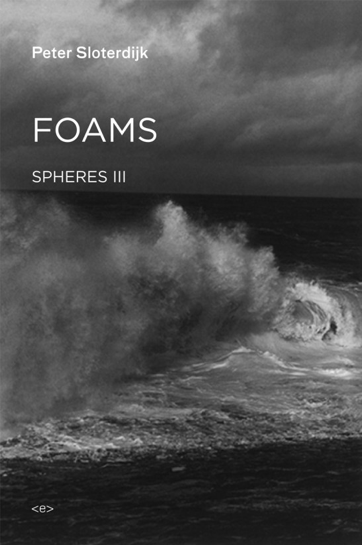
„Foams „completes Peter Sloterdijk’s celebrated „Spheres“ trilogy: his 2,500-page „grand narrative“ retelling of the history of humanity, as related through the anthropological concept of the „Sphere.“ For Sloterdijk, life is a matter of form, and in life, sphere formation and thought are two different labels for the same thing. The trilogy also together offers his corrective answer to Martin Heidegger’s „Being and Time,“ reformulating it into a lengthy meditation of Being and Space — a shifting of the question of „who we are „to a more fundamental question of „where we are.“
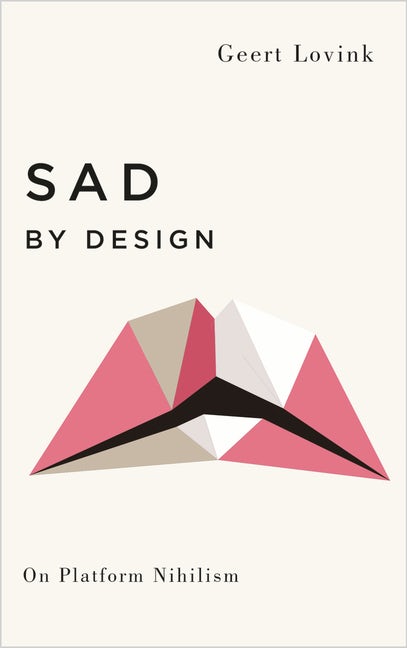
The absolute #1 recommendation is Sad by Design by Geert Lovink. If you want to go beyond the worn-out opinions of Silicon Valley libertarians vs. Humanity, this is your book.
You can find a link to all the books I am reading in my Goodreads
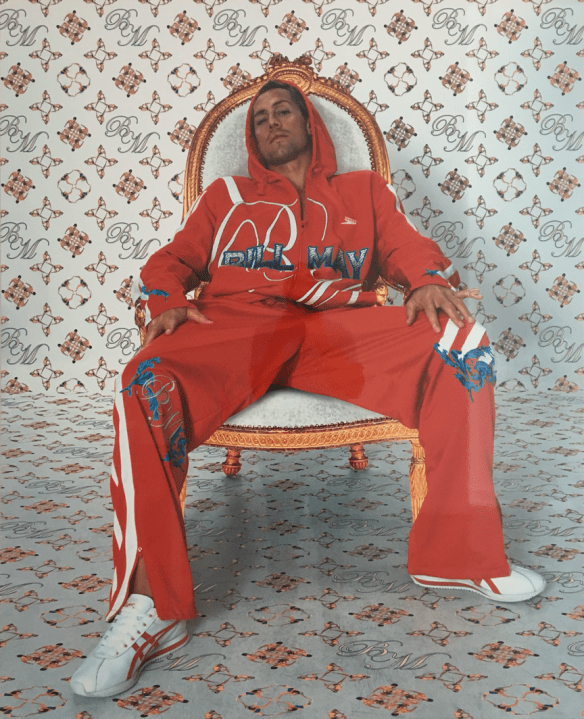
Sarah Baker – Portrait of Bill May – Museum Dhondt Dhaenens
End Aug 2019 – Picture by Petervan
Lace is more – PiKANT exhibition about Lace in Aalst.
Video and soundscape by Petervan
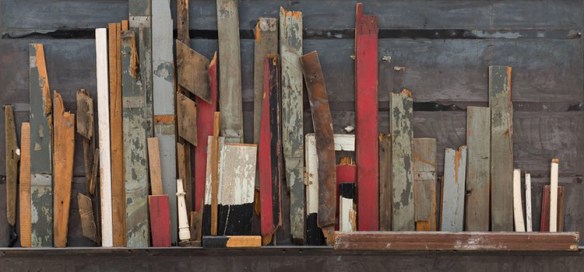
Jannis Kounellis – Untitled – 1983 - Arte Povera – SFMOMA Nov 2019
My own exhibition
Angel in Chapel of Mater
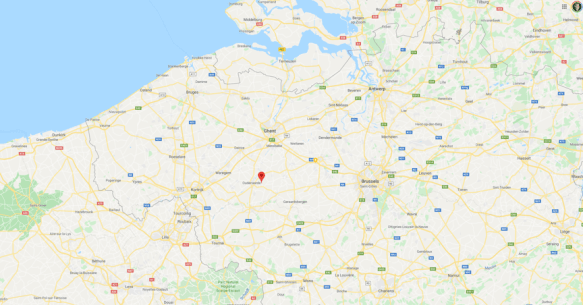
Location of my upcoming exhibition end May 2020
Since I started academy some years ago, I produced something like 500 drawings, paintings, sketches, soundscapes, and video experiments. Many have asked whether I even thought of setting up an exhibition of my own work. That’s going to happen end May – beginning June 2020:
Location: Chapel of Mater (a small village in the Flemish Ardennes, Tour de Flanders territory)
Dates: 29 May 2020 4pm – 2 June 2020 1pm
Vernissage & reception: 29 May 2020 from 4pm – 9pm
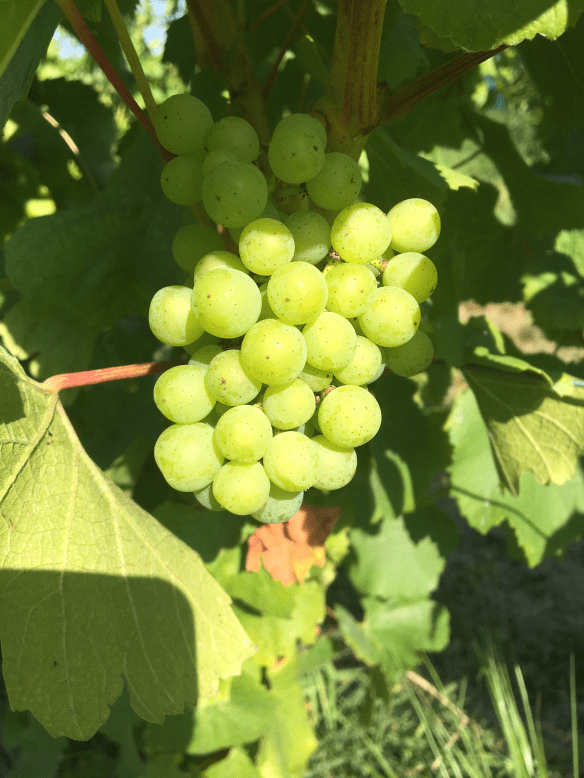
Great summer morphing into rainy Sep-Oct-November. Not too bad. We visited a vineyard close to Aalst (Belgium) and biking tours continued at irregular intervals; small distances (20-40 km) at a very low speed. Maintenance of the garden also kept me busy. I have about 150 meters of hedges (x2 both sides), so by the time you get to the end, you can start again 😉
Vineyard in Aalst, Belgium - August 2019 - Picture by Petervan
Life of a Sunflower from 26 Aug till 30 Sep 2019 - Montage by Petervan
Bike tour along a very green Dender (river crossing Aalst)
Freelance
Main project was a leadership immersion for a client that took us to Shenzhen and Hong Kong the first week of October 2019. Think of an Innotribe @ Sibos but then in a intimate retreat format for small private audiences; with artists of course. A good example of Imagining Worlds That You Believe In – aka “Worlding”, a term coined by Ian Cheng in his book.
Hong Kong Peak Tram Oct 2019 – Picture by Petervan
Reflections
Retirement is coming closer. I will be officially retired as from 1 May 2020. Not that I plan to stay idle, on the contrary. Within limits, I will stay available for interesting freelance work and plan to stay very focused on my artwork.
In other words, no time for too much social media engagement (I put some blockers on most of my devices) or making selfies.
Graffiti in Ghent Citadel Park 16 Sep 2019 – Picture by Petervan
All the above helped me getting sharper on what I am and what I do: create artistic interventions, interruptions, and provocations that lead to higher states of alertness and aliveness. Formats can be analog and digital artwork, performances, writings, poems, blogs, installations, exhibitions, immersions, soundscapes, recordings, documentaries, and time capsules.
So, what’s next?
The plan for Jan – Mar 2020 is to work on:
“Interesting” freelance work
Artwork
Pick-up “Time Capsules” again
Studio renovation
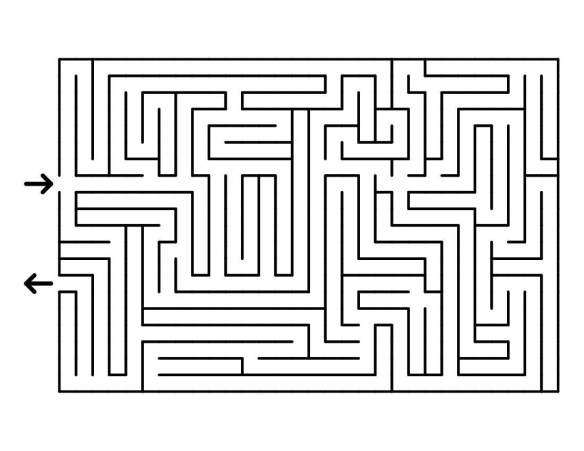
As you can see, a labyrinth of choices. The red thread may be the solution: stay hungry, stay foolish, stay focused.
So, that’s it for this edition. If there is something worth reporting, the next update is for Apr 2020.
Merry Christmas and Happy New-Year!
Video play with Videoleap by Petervan – Music James Brown “I feel good”
















 Petervan Studios