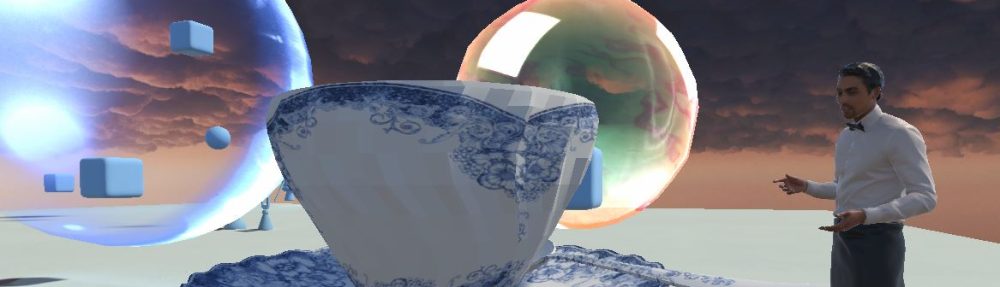
“Pop is not the same as populistic”, says Winy Maas from MVRDV Architects at minute 14:19 in this wonderful talk about innovating in the future of architecture. This sentence got me thinking about roles, styles, and staging. This post is a follow-up on “Is being normal boring?”
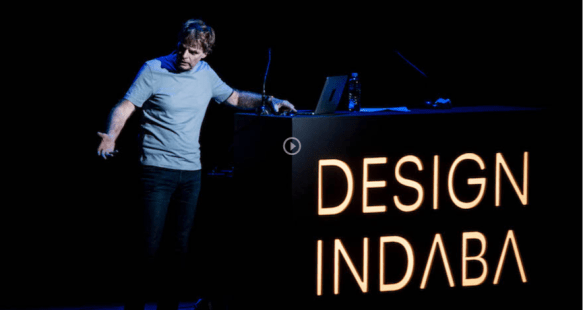
The talk is about design and architecture, but you will notice it’s really about a different way of living, of reflecting about our world. Also check out The Why Factory: a global think-tank and research institute led by the same professor Winy Maas. You can also find some awesome research publications there.
Winy talks about things such as:
- Porosity and air
- Transparency, mirrors and infinity
- Individualism: Is it about staging, making a statement?
- The stair and activating our roofs
- Activating new circuits
- Block attacks (around min 32 – 33)
- Infrastructure follows your composition
- From Small to Big
- From Individualism to Collectivism
- From Egoism to Wegoism (W)EGO
- And about pop and populism
Pop is about the (style of) the performer. Pop is about belonging to a tribe. The tribe of the style of the performer. Pop is about selfies. Pop at its worst or most extreme is probably like Netherland’s rap “artist” Boef performances who films himself on stage, and his fans filming himself filming film.
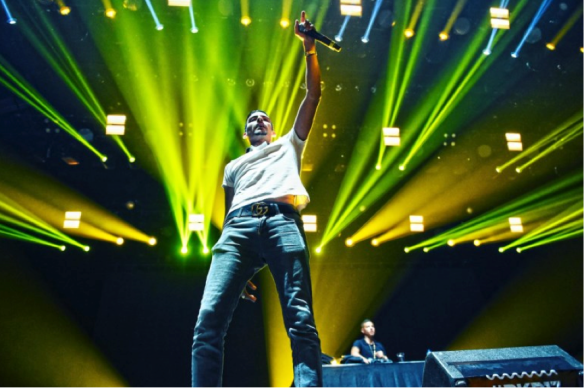
Rap "artist" Boef performing live
A strange loop of pop. A strange kind of loop. Like an endless mirror.
Instead of that endless empty mirror of pop, I prefer the mirror of Claudio Monteverdi, not only for the magic polyphonic music by the Huelgas Ensemble on this record, but for the way Monteverdi was staging as an artist.
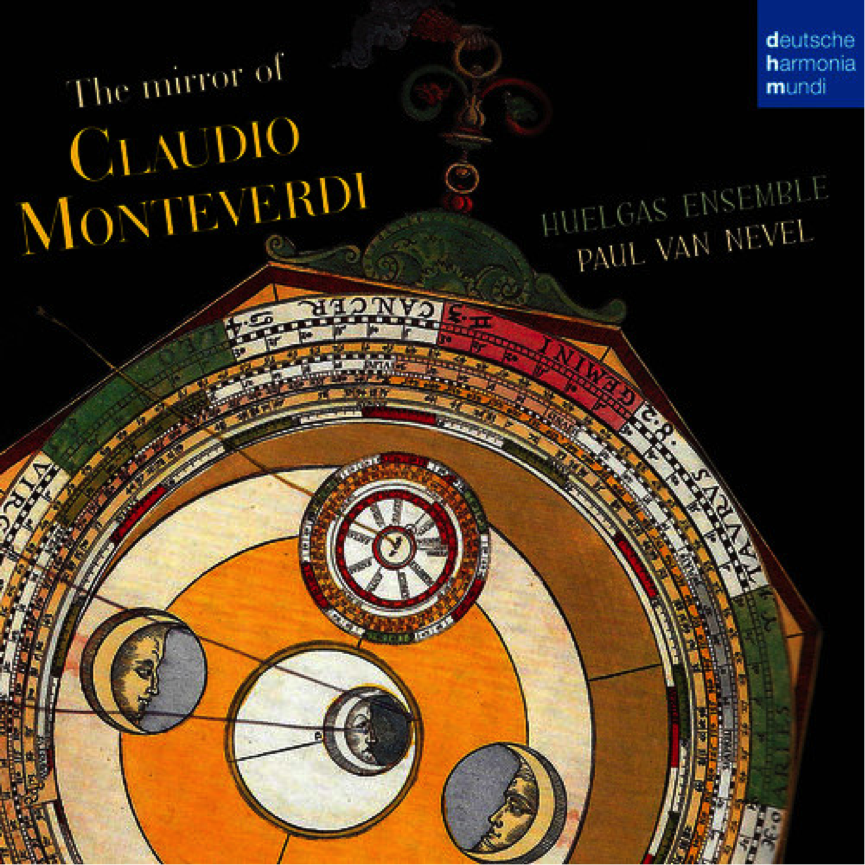
The Guardian described his work as “the extra chronological disjunct here is enjoyably disorienting”
“Enjoyable Disorienting” ! Wow !
It has to do with self-image or self-picture. Picture as in Alva Noë’s Strange Tools. Picture of a role. It has to do with role. Being somebody or nobody. With or without role. Anonymity.
The anonymity I am thinking about is one of role-lessness. The anonymity of being normal. The anonymity of Buzz Aldrin, who was the second man walking on the moon. Being in the front, or blending in the background, like the fashion designer who just says hello at the end of the show and then disappears. Who is the composer and who is being staged? Without the composer, all the rest does not happen.
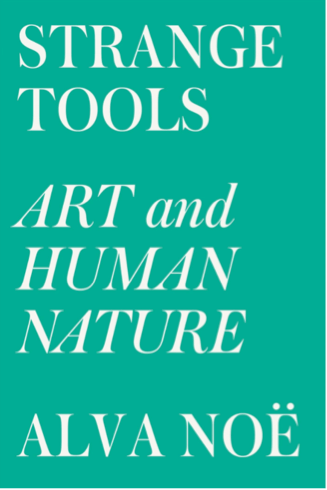
Art and philosophy are strange tools (of staging), says Alva Noë in his excellent book (Amazon link): he explains the difference between choreography and dance:
- “Choreography, as we have seen, is not dancing, it is an engagement with dancing as a phenomenon”
- “Choreography, and all the arts, are organizational, or rather, as we shall see, reorganizational practices”
- “Choreography makes manifest something about ourselves that is hidden from view because it is the spontaneous structure of our engaged activity”
Roles and titles. Role-ness or title-less. Is the focus of our energy the work itself or the attention for our confabulated stories – crafted after the facts – to make/fake sense of why we do what we do? Titles are usually confabulations. That’s why it is probably better to drop them altogether from our bios, business cards and alike. They are an explanation after-the-fact. To make/fake sense for and about ourself. The attention is on self, not the other, not the audience, not those who come to listen.
Too many labels. No Brand. “No Logo (Naomi Klein): taking aim at the brand bullies”
Painting the role. Painting the knight, the farmer, the father, etc and not the man. Filming the filming rapper or not. Rembrandt and Cranach are not in the same kind of business. They made different kind of pictures.


Cranach on the left - Rembrandt on the right
Painting the man (as a mask – or the physical container) and painting the person is a different kind of business. Staging the speaker and staging the person is a different kind of business. Staging content is not about letting see what others already see. It is about letting see what you see and others do not see yet.
Like Monteverdi, who was already looking back from some distance at the previous century – already inventing a kind of neo-Renaissance gloss that simultaneous confirmed him as a master of the old polyphony and blazed into new baroque sounds and styles
Whether it is in painting, or making poetry, or architecting an experience, I believe we have to approach all of them like artists. By practicing and getting better at the art of staging, staging like in choreography. This goes beyond pop, roles, and style. A different kind of business: the business of stagecrafting. Or is this yet another strange loop of labeling when I just want to get rid of labels, roles, and titles?

 Petervan Studios